
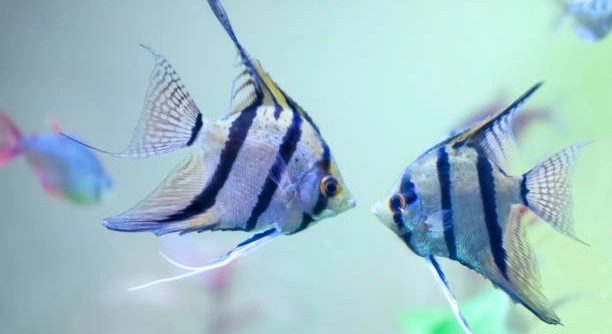
Angelfish are popular aquarium pets known for their beauty and peaceful nature. However, if your angelfish isn’t reacting to its surroundings, it can be concerning. Understanding the reasons behind this behavior is crucial for ensuring your fish’s well-being.
The lack of reaction in your angelfish could be due to various factors such as poor water conditions, illness, or stress. It’s important to identify the root cause to provide the best care and environment for your fish.
Knowing the possible causes can help you determine what might be affecting your angelfish. By understanding these factors, you can take steps to improve your fish’s environment and overall health.
Poor Water Quality
If your angelfish isn’t reacting to its surroundings, the water quality could be an issue. Angelfish are very sensitive to changes in their environment, especially water parameters like temperature, pH, ammonia, and nitrate levels. Poor water conditions can stress your fish, leading to sluggish behavior or lack of movement. If the water is polluted, the fish may not feel comfortable enough to explore its surroundings. Regular water changes and testing the water for these factors can help maintain a healthy environment for your angelfish.
Ensuring that your water parameters are in check is essential for keeping your fish active and healthy. Test the water regularly to avoid problems that can affect its behavior.
When the water quality isn’t right, it’s not just about comfort but survival. Ammonia and nitrates build up quickly in aquariums, especially in smaller tanks. Poor water circulation and inadequate filtration systems contribute to these conditions. Angelfish may become lethargic or refuse to eat if the water is contaminated. Regular water changes, as well as using a good filtration system, can help keep the aquarium environment safe. Keep an eye on the temperature too. Angelfish thrive in a range between 76°F to 82°F (24°C to 28°C). Any significant changes can lead to health problems.
Illness or Infection
Sometimes, angelfish will become inactive due to illness or infection. Common issues like parasites, bacterial infections, or fungus can cause them to behave sluggishly.
If your angelfish is showing unusual behavior or not reacting to its environment, check for visible signs like faded colors, lesions, or abnormal swimming patterns. Diseases can impact fish severely and quickly.
Fish diseases often result from poor water conditions or stress. Infected angelfish may swim erratically or even appear to be struggling to maintain balance. An untreated illness can worsen, making your fish even less active. Some diseases affect their gills or internal organs, making it harder for them to breathe and move properly. If you notice unusual symptoms, isolate the affected fish and treat it with the appropriate medication. Quarantining sick fish helps prevent the spread of illness to other tank mates. Consult an expert for proper treatment if you’re unsure. Regularly monitoring your fish for signs of illness can ensure they stay healthy.
Stress
Stress is one of the most common reasons why an angelfish may stop reacting to its surroundings. Factors like overcrowding, aggressive tank mates, or sudden changes in the environment can stress out your fish.
Overcrowding makes the tank feel too cramped, and angelfish need their space. If they are constantly jostled by other fish, they may become fearful and avoid swimming around. Similarly, aggressive tank mates, especially fast or territorial species, can cause your angelfish to hide more than usual. Even small changes, such as moving the tank or altering the lighting, can be enough to stress your fish.
To reduce stress, ensure the tank size is appropriate and consider tank mates that are peaceful and non-aggressive. Maintain a stable environment with consistent lighting, temperature, and water conditions. If you’ve recently made any changes to the tank, allow time for your angelfish to adjust. This way, you can provide a calm and comfortable space for your fish to thrive.
Water Temperature
If the water temperature is too high or too low, your angelfish may not react to its surroundings as usual. Angelfish thrive in specific temperature ranges and will become sluggish if it falls outside of that range.
A stable water temperature of 76°F to 82°F (24°C to 28°C) is ideal for angelfish. Anything outside this range can stress the fish, causing lethargy. If the water is too cold, their metabolism slows down, making them less active. On the other hand, water that is too hot can lead to oxygen depletion, leaving them disoriented and unresponsive.
To maintain a consistent temperature, invest in a good aquarium heater and thermometer. Check the temperature regularly, especially during extreme weather conditions, as sudden changes can affect the fish’s behavior.
Poor Diet
A poor diet can make your angelfish sluggish and unresponsive to its environment. If they are not receiving the right nutrients, they may lack the energy to interact with their surroundings.
Ensure your angelfish is eating a balanced diet that includes high-quality flakes, pellets, and occasional live or frozen foods. A lack of proper nutrition can weaken their immune system and affect their overall health.
Inadequate feeding schedules can also contribute to a lack of energy. Offering food once or twice a day ensures they stay active and healthy. Overfeeding can lead to water quality issues, so portion control is important.
Overfeeding
Overfeeding is a common mistake many aquarium owners make, and it can lead to an inactive angelfish. When fish are fed too much, leftover food rots in the tank, causing poor water quality.
Excess food can also lead to bloating and digestive issues in fish, making them sluggish and unwilling to explore. Keep track of feeding times and portion sizes. Avoid excess food in the tank by only offering what your fish can consume in a few minutes.
Lack of Space
Angelfish need enough room to swim and explore. A cramped tank can lead to inactivity or stress. Fish that don’t have enough space often stay in one corner or hide.
A minimum tank size of 20 gallons is recommended for one angelfish. Larger tanks are better, especially if you plan to keep more fish with them. A spacious tank encourages natural behavior, allowing your angelfish to move freely and stay active. Be mindful of overcrowding, as it can create tension and stress among tank mates.
FAQ
What are some signs that my angelfish is stressed?
Stress in angelfish can show in several ways. If your fish is hiding more than usual, has clamped fins (fins that are held close to the body), or is swimming erratically, these are signs of stress. You may also notice a loss of appetite or changes in their color. Over time, stressed fish may become more lethargic and unresponsive. Watching their behavior closely will help you spot signs of stress early so you can address the underlying cause.
How can I prevent overfeeding my angelfish?
Overfeeding angelfish is common, but it can lead to water quality issues and health problems. A good rule of thumb is to feed them only what they can consume in a few minutes. Avoid leaving excess food in the tank, as it will decompose and harm the water quality. Regularly check the amount of food given and adjust as needed. You can also try feeding smaller amounts multiple times a day instead of one large feeding.
Can angelfish survive in a tank with other species?
Yes, angelfish can live with other fish, but it’s important to choose tank mates carefully. They are peaceful but can become aggressive towards smaller fish or those that invade their space. Avoid keeping them with very small or fast-moving species that might stress them out. Some good tank mates include peaceful species like tetras, catfish, and guppies. Always monitor their interactions and be prepared to separate any aggressive tank mates.
What should I do if my angelfish isn’t eating?
If your angelfish isn’t eating, the first step is to check the water quality. Poor water conditions can lead to a lack of appetite. Also, consider whether you’re feeding them the right food. Sometimes, they may refuse to eat if the food isn’t fresh or suitable for their diet. If the fish is still not eating after you’ve addressed these factors, check for signs of illness, such as changes in appearance or behavior, and consider treating for parasites or other diseases.
How often should I clean the tank for my angelfish?
Cleaning your tank regularly is essential for maintaining healthy water conditions. Perform partial water changes of about 25-30% every 1-2 weeks, depending on the size of the tank. You should also clean the filter and remove any excess debris from the substrate to prevent toxins from building up. Avoid cleaning the tank too frequently as it can disturb the beneficial bacteria needed for proper filtration. Consistency is key to a clean, healthy environment for your angelfish.
Can temperature changes affect my angelfish?
Yes, sudden temperature changes can be very harmful to angelfish. They prefer stable water temperatures between 76°F to 82°F (24°C to 28°C). Rapid fluctuations can stress them out and weaken their immune system. If the temperature is too high or low, it can lead to sluggish behavior and even death. Using a reliable aquarium heater with a thermometer can help maintain a consistent and safe temperature for your fish.
Why is my angelfish staying at the bottom of the tank?
Angelfish staying at the bottom of the tank may be showing signs of stress, illness, or poor water quality. Sometimes they seek the bottom to hide when they feel vulnerable or unwell. It could also be a sign of a parasitic infection or swim bladder disorder. Start by checking the water parameters and making sure the tank environment is safe. If the behavior persists, monitor for other symptoms like bloating or abnormal swimming, which might suggest a health issue that needs medical attention.
Should I remove a sick angelfish from the tank?
Yes, isolating a sick angelfish is important to prevent the spread of any potential illness to other fish in the tank. A quarantine tank is ideal for this situation, as it allows you to monitor the sick fish and treat it without risking harm to others. Keep the water conditions in the quarantine tank as optimal as possible, and provide the necessary treatment based on the symptoms your fish is showing. If you’re unsure of the disease, consult with a vet or aquatic expert for advice.
Can I keep more than one angelfish in a tank?
You can keep multiple angelfish in a tank, but space is important. A pair of angelfish requires a large tank of at least 30 gallons, and more than two fish should have even more space. Angelfish can become territorial, especially when breeding, and may become aggressive towards each other. Keeping them in a well-planted tank can help reduce aggression by providing hiding spots. Ensure there’s enough space for each fish to feel safe and secure.
How do I know if my angelfish is breeding?
Breeding angelfish will exhibit certain behaviors. Males often become more territorial, and both males and females will start cleaning a flat surface in the tank. During breeding, the female will lay eggs on the surface, and the male will fertilize them. You may also notice the fish swimming closely together or chasing other fish away from their area. After breeding, watch for the pair to guard the eggs. If you’re not ready for baby fish, you may want to remove the parents to prevent them from raising fry in the community tank.
Why is my angelfish turning black?
Black spots or darkening of an angelfish’s body could indicate stress, illness, or poor water quality. Sometimes, they darken in response to environmental stress or an injury. However, if the blackening is widespread, it may be a sign of a bacterial or fungal infection. Poor water conditions can also contribute to discoloration. To address this, check your water parameters and clean the tank. If the condition doesn’t improve, consider treating the fish for disease or taking it to an aquatic vet for further diagnosis.
Can my angelfish live without a filter?
It’s not recommended to keep an angelfish in a tank without a filter. While angelfish can survive in smaller, less filtered environments, a filter is crucial for maintaining clean water and a healthy ecosystem. Without a filter, ammonia and nitrites build up, leading to poor water quality and stressing your fish. A reliable filtration system helps keep the water circulating, which not only removes toxins but also provides oxygen. If you’re in a situation where a filter is not possible, you’ll need to perform very frequent water changes to keep your fish safe.
Final Thoughts
Understanding why your angelfish may not be reacting to its surroundings is essential for keeping it healthy and happy. Several factors can affect your fish’s behavior, including poor water quality, stress, illness, and even environmental changes. It’s important to regularly check water conditions, provide a balanced diet, and ensure that the tank environment is peaceful and spacious. Addressing these factors can help your angelfish feel more comfortable and active in its surroundings.
Water quality is one of the most important aspects of aquarium care. Angelfish are sensitive to changes in the water, and poor conditions can quickly lead to a decline in their behavior and overall health. Regular water changes, checking for toxins like ammonia or nitrates, and maintaining a stable temperature can prevent many common issues. The more attention you give to water quality, the healthier your fish will be, and the more likely they are to engage with their environment.
Aside from the physical environment, keeping your angelfish in a stress-free space is key. Overcrowding, aggressive tank mates, or sudden changes to the tank can cause stress, which leads to lethargy and unresponsiveness. By selecting the right tank mates, providing enough space, and maintaining a consistent environment, you can ensure your angelfish stays relaxed and healthy. Remember that fish rely on their surroundings to feel secure, and a calm atmosphere promotes natural behaviors. If you notice your angelfish is becoming less active, a little adjustment in care can go a long way to improving their well-being.

Hello,
If you enjoy the content that we create, please consider saying a "Thank You!" by leaving a tip.
Every little bit helps us continue crafting quality advice that supports the health, happiness, and well-being of pets around the world, for pets of all shapes, sizes, and species.
We really appreciate the kindness and support that you show us!