
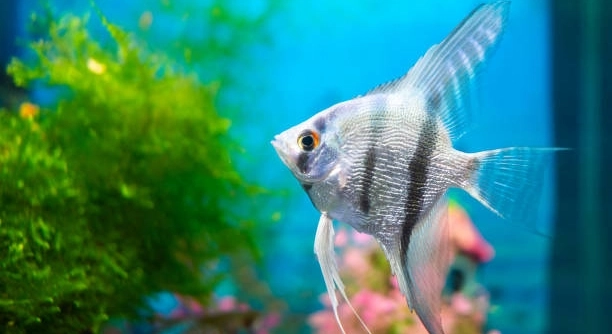
Are your angelfish showing signs of stress or acting differently in their tank? A stable tank environment is essential for their health. Understanding the role of pH can help create a better home for them.
Maintaining a healthy pH level for angelfish involves regular water testing, using proper filtration, avoiding sudden changes, and choosing tank mates and decor that do not alter the water’s chemical balance.
Creating the right conditions ensures your angelfish stay active and vibrant, and helps prevent health problems caused by unstable water quality.
Test Your Water Regularly
Keeping track of the water’s pH is one of the most important things you can do for your angelfish. Use a freshwater aquarium test kit to check pH levels at least once a week. If your tap water tends to shift in pH over time, it’s a good idea to test even more often. Testing only takes a few minutes and helps you catch small changes before they become big problems. A digital pH meter or test strips are both easy to use and widely available. Write down your results so you can track patterns and notice trends. Sudden pH drops or spikes can harm your angelfish, even if they seem fine at first. Keeping a log makes it easier to find the cause if something changes. Consistency is key, and frequent testing gives you better control over your tank’s environment. It also helps build good habits for long-term care.
Testing once a week is enough for most tanks, but more frequent testing may be needed if your tank is new or unstable.
If your water source is naturally soft or hard, it can affect the stability of your tank’s pH. Hard water resists pH changes, while soft water can fluctuate easily. This is why testing is essential.
Use the Right Substrate
Some substrates help maintain stable pH by slightly affecting the water’s chemistry. Crushed coral and limestone-based gravel can help keep the pH slightly higher and more stable.
If your angelfish tank tends to dip below their preferred pH range of 6.5 to 7.5, choosing a buffering substrate can help. Crushed coral slowly dissolves in water and raises both pH and hardness over time. This makes the water less likely to experience sudden changes. If your water is already on the high end, though, it’s better to avoid buffering substrates and stick with neutral ones like sand or inert gravel. Clean your substrate during regular tank maintenance, but avoid over-cleaning. Over-vacuuming can disrupt beneficial bacteria that also help stabilize pH. Before adding new substrate, rinse it well to remove dust. Adding substrate gradually rather than all at once can also help prevent sudden pH shifts. The substrate you choose will not only affect appearance but also help with water balance, so it’s worth selecting the right one for your tank.
Condition Tap Water Before Use
Tap water often contains chlorine, chloramine, and other chemicals that can affect the pH and harm angelfish. Always use a water conditioner before adding tap water to your tank, even for small top-offs.
Conditioners are easy to use and work quickly. Just add the recommended dose directly to the tap water before pouring it into the aquarium. Some conditioners also neutralize heavy metals, which can impact water chemistry. When changing large amounts of water, it’s helpful to match the temperature and pH of the new water to the tank to avoid stress. If your tap water has a high pH, pre-treating it with driftwood or peat moss before adding it to the tank can help soften the water and lower the pH gradually. This step prevents sudden changes that can upset your angelfish. Consistently using a conditioner also helps maintain the balance of good bacteria in your filter.
Water conditioners don’t take much time to use, but skipping them can lead to problems. Even trace amounts of chlorine can harm fish gills or disrupt your tank’s biological balance. If your water supply changes often, test it occasionally after conditioning to make sure it’s staying within a healthy pH range for your angelfish.
Add Natural pH Buffers
Natural materials like driftwood, Indian almond leaves, and peat moss can slowly lower and stabilize pH. These materials also release tannins, which create a more natural environment for angelfish and may improve their comfort.
Using natural buffers is a gentle way to maintain a healthy pH without harsh chemicals. Driftwood is easy to find at aquarium shops and slowly affects water conditions. Over time, it helps soften water and creates a slightly acidic environment, which angelfish prefer. Indian almond leaves also provide antibacterial benefits and help simulate the angelfish’s native habitat. Just be sure not to add too many at once, as they can cause a sudden pH drop. Peat moss can be added to filters in a mesh bag and works gradually. These natural options are especially helpful if your tap water is too hard or alkaline. Replace them as they break down, and monitor water regularly.
Avoid Overfeeding
Leftover food breaks down and releases waste into the water, which can lower pH over time. Feed small amounts your angelfish can finish in a few minutes to prevent build-up.
Uneaten food can also encourage algae and bacteria growth, both of which affect water quality and stress your fish.
Clean the Tank Consistently
Regular cleaning prevents waste from building up and changing the water’s chemistry. Do a partial water change once a week, removing 20–30% of the water. Clean the substrate with a gravel vacuum to remove debris. Wipe algae from the glass and check the filter, but avoid over-cleaning it. A light rinse in tank water helps keep good bacteria alive. Cleaning too much or using untreated tap water on the filter can harm the tank’s balance and affect the pH. Stick to a simple cleaning schedule and stay consistent each week. It helps prevent spikes or dips in water conditions.
Choose Tank Mates Wisely
Some fish produce more waste than others, which can affect pH levels. Stick with peaceful, low-waste species that thrive in the same water range as angelfish.
FAQ
What pH level is best for angelfish?
Angelfish prefer a pH level between 6.5 and 7.5, with slightly acidic to neutral water being ideal. Maintaining the water within this range helps keep them healthy and stress-free. A pH that’s too high or too low can lead to illness and discomfort. Regular testing will help ensure that the water stays stable and within the ideal range for your angelfish.
How can I raise the pH in my tank?
To raise the pH in your tank, you can add buffering substances such as crushed coral or limestone to your substrate. These materials slowly release calcium carbonate, which helps increase and stabilize pH levels. You can also add alkaline water conditioners, but be cautious and monitor the pH regularly. Make any adjustments gradually, as sudden changes in pH can shock the fish.
How can I lower the pH in my tank?
To lower the pH in your tank, you can use natural methods like adding driftwood, peat moss, or Indian almond leaves. These materials slowly release tannins into the water, which help lower the pH over time. Alternatively, commercial pH-lowering products can also be used, but they should be applied carefully to avoid drastic pH shifts. Always test the water regularly when making adjustments.
Can the pH fluctuate in a tank?
Yes, the pH in a tank can fluctuate due to a variety of factors, such as the type of substrate, the presence of certain fish, and the use of chemicals in the water. Other factors like overfeeding or poor filtration can also lead to pH instability. Regular water changes, proper filtration, and avoiding overfeeding can help keep pH levels more consistent. Monitoring water chemistry often is key to preventing harmful fluctuations.
How often should I test my tank’s pH?
Ideally, you should test your tank’s pH at least once a week. If you’ve recently added new decorations, changed substrates, or made any adjustments to the tank, it’s a good idea to test more frequently. Regular testing allows you to catch any pH changes early and make adjustments before they cause problems for your angelfish. If your tank has a stable setup, once a week should be enough.
How do I know if my angelfish are stressed due to pH changes?
Angelfish showing signs of stress due to pH changes may exhibit unusual behavior such as hiding, reduced appetite, or erratic swimming. They might also have visible signs of illness like clamped fins, cloudy eyes, or discolored skin. If you notice any of these symptoms, check your tank’s pH immediately. Even small changes can have a big impact on angelfish health, so it’s important to stabilize the water as quickly as possible.
Can I use tap water for my angelfish tank?
You can use tap water for your angelfish tank, but you should always treat it first with a water conditioner to remove chlorine and chloramine. Tap water can have varying pH and hardness levels, which can cause instability. If your tap water has a pH that’s too high or too low for angelfish, consider using natural buffers or adjusting it using appropriate methods before adding it to the tank.
What is the best substrate for maintaining pH?
The best substrate for maintaining pH depends on whether you need to raise or lower it. Crushed coral, aragonite, and limestone are ideal for raising pH and hardening soft water. If your goal is to lower the pH, consider using neutral substrates like fine sand or using peat moss in the filter. Each type of substrate has its own effect on water chemistry, so choose based on your water’s current pH and hardness.
Can I mix angelfish with other species in the same tank?
Yes, you can mix angelfish with other species, but it’s important to choose tank mates that have similar water quality requirements. Avoid fish that produce large amounts of waste, as this can lead to rapid changes in pH. Peaceful species such as tetras, guppies, and other calm freshwater fish are often good companions. Always research compatibility before introducing new species to your tank to maintain stable water conditions.
What should I do if the pH level drops suddenly?
If the pH level in your tank drops suddenly, act quickly to stabilize the water. First, test the water for any other imbalances like high ammonia or nitrite levels, as these can indicate a problem. Add a buffer or substrate material that can raise the pH gradually, such as crushed coral. Avoid using chemical pH adjusters unless absolutely necessary, as they can cause dangerous fluctuations. Perform a partial water change if needed to dilute the pH drop and ensure the water is within the proper range.
How do water changes affect the pH of my tank?
Water changes can sometimes cause a shift in pH, especially if the new water has a different pH from the tank’s current water. To avoid stressing your angelfish, make sure that the new water is similar in temperature, pH, and hardness to the tank’s water. This can be done by testing the new water before adding it and making gradual adjustments to prevent sudden changes in pH.
Maintaining a healthy pH for your angelfish is crucial for their overall well-being. A stable pH environment helps prevent stress and illness, allowing them to thrive. Regular water testing, along with careful adjustments using natural methods or buffers, can help you maintain the right pH level. By paying attention to water quality and making gradual changes, you can create a safe and comfortable environment for your fish.
Consistency is key when it comes to managing pH levels. It’s important not to make sudden changes, as these can harm your angelfish and cause unnecessary stress. Simple actions like testing your water regularly, using the right substrates, and adjusting your filtration can go a long way in keeping the water conditions stable. Avoid overfeeding and be mindful of tank mates, as these factors also contribute to maintaining healthy water chemistry. By staying on top of these tasks, you can ensure that your angelfish live in a well-balanced and thriving tank.
In the end, the health of your angelfish depends on the quality of the environment you provide for them. Taking care of pH levels is just one part of maintaining a healthy tank, but it plays a significant role in their happiness and longevity. Regular water changes, the use of proper conditioners, and monitoring pH closely will help you avoid common pitfalls. With a little attention and effort, you can keep your angelfish in optimal conditions, ensuring they continue to live vibrant, healthy lives in your aquarium.

Hello,
If you enjoy the content that we create, please consider saying a "Thank You!" by leaving a tip.
Every little bit helps us continue crafting quality advice that supports the health, happiness, and well-being of pets around the world, for pets of all shapes, sizes, and species.
We really appreciate the kindness and support that you show us!