
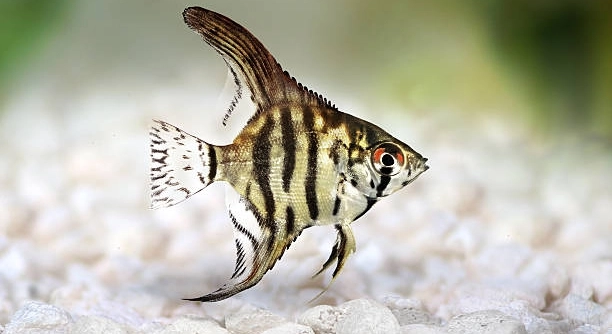
Do you ever notice your angelfish acting extra lively when it’s time to eat, almost like they’re putting on a show just for you?
The increased activity in angelfish during feeding time is primarily due to learned behavior and food anticipation. As creatures of habit, they associate specific cues like movement or timing with meals, triggering heightened excitement and motion.
This feeding-time energy often reflects a mix of instinct, routine, and environmental influence that shapes your angelfish’s behavior in fascinating ways.
1. Learned Behavior Through Routine
Angelfish are smart enough to recognize patterns in their environment. If feeding happens at the same time each day, they start to expect it. Over time, they connect specific movements or sounds—like someone walking near the tank or the lid opening—with food. This makes them excited, and they become more active, swimming faster and sometimes even displaying competitive behavior. This learned response is a natural way for them to prepare for mealtime. It’s similar to how dogs get excited when they hear a food bag crinkle. Once the angelfish learn the routine, even subtle cues can trigger a noticeable burst of activity in the tank, especially around feeding times.
This reaction helps them get food quickly and compete with others in the tank. It’s a survival instinct that gets stronger when it’s reinforced daily.
Understanding this behavior can help you spot changes in routine or appetite more easily.
2. Increased Metabolism Before Meals
Many fish, including angelfish, show more energy when their bodies prepare for food. This increase in movement helps with digestion and can make them more alert and ready to eat.
The boost in activity may start before the food even touches the water. Angelfish begin to associate feeding times with a rise in internal energy, which can feel like a kind of biological clock. As their metabolism increases, they become more responsive to the environment. You might notice them swimming around the front of the tank, flaring their fins, or becoming slightly more territorial. These are all signs of anticipation. If your angelfish is active and alert during this time, it usually means they’re healthy and ready to eat. However, if their energy seems frantic or aggressive, it may be helpful to check if they’re getting enough food or if their meals are spaced too far apart.
3. Sensory Response to Movement and Smell
Angelfish rely on their senses to find food, especially their ability to detect movement and changes in water. Even the sound of a container opening or a shadow can trigger a response.
The moment food hits the water, angelfish react quickly. Their lateral line system helps them sense even the smallest vibrations, telling them something new has entered their space. Combined with a strong sense of smell, they can detect food particles before they actually see them. This sensory alert triggers a natural response—darting around, scanning the water, and sometimes nudging other fish out of the way. They are not just being playful; they are focused. If you feed in the same spot each time, they may already be waiting there. Over time, these triggers only grow stronger, and the response becomes more active and immediate.
Senses play a big role in how angelfish behave during feeding. They recognize patterns not only through repetition but through changes in their environment. If something feels different or smells like food, they often react right away. This alertness is part instinct and part habit. When they pick up familiar signals, their energy spikes. It may look like excitement, but it’s more about survival and awareness.
4. Competition With Tankmates
When angelfish live with other fish, they often compete for food. This competition can cause them to swim faster, push forward, or act more aggressive during feeding.
Even peaceful angelfish can show bold behavior when food is involved. If meals are limited or feeding is irregular, this behavior tends to get stronger. They might nip, chase, or crowd the food source. It’s not personal—it’s instinct. Angelfish don’t want to miss their chance. When they see other fish gathering, it becomes a signal to act fast. This creates a cycle where feeding time becomes the most active moment in the tank. If your angelfish seem overly aggressive or stressed, it may help to feed in multiple areas or ensure enough food reaches everyone. That way, the pressure drops and the activity stays balanced. Feeding time should be exciting, not chaotic.
5. Positive Reinforcement From Feeding
Angelfish quickly learn that certain actions lead to a reward. Over time, this builds a strong connection between specific cues and feeding. Their movement increases because they’ve been rewarded before for reacting quickly.
They associate your presence or hand near the tank with food. This learned response creates excitement and energy.
6. Environmental Stimuli and Lighting
Lighting changes around feeding time can affect angelfish behavior. If lights turn on right before meals, fish link that moment to food. Sudden brightness or even shadows passing by can make them more alert and reactive, especially when combined with other feeding cues.
7. Hunger and Feeding Gaps
When angelfish haven’t eaten in several hours, their energy spikes as soon as food becomes available. Their bodies prepare for intake, and this can make them swim faster and react strongly. If feeding times are too far apart, the response may look even more intense.
8. Natural Instincts in Captivity
Even in a tank, angelfish keep some wild instincts. Quick movements and excitement help them compete and survive, even if food is always available.
FAQ
Why does my angelfish only get active when it sees me?
Angelfish can recognize patterns, and many learn to associate their owner’s presence with feeding. When they see you walk by or approach the tank, they expect food. This expectation triggers excitement and more activity. Over time, the connection between your presence and meals becomes strong, and they react immediately, even if you’re not actually feeding them. It’s not unusual for them to “beg” at the front of the tank by swimming back and forth when they think food is coming.
Is it normal for angelfish to act aggressive during feeding?
Yes, especially if they share a tank. Angelfish can become more dominant or pushy during mealtime. This behavior is driven by the instinct to eat quickly before the food is gone. It doesn’t mean they are aggressive in general, but during feeding, you might see nipping, chasing, or flaring. If this becomes a problem, consider spreading food in different parts of the tank to reduce competition.
Can I train my angelfish to be calmer during feeding?
You can’t completely change their natural behavior, but you can help reduce the chaos. Feeding on a schedule helps angelfish feel more secure. Using the same area of the tank or spreading food evenly also helps. Avoid overfeeding or crowding the tank, as this can add stress. Over time, your fish may show calmer behavior once they understand there’s no rush to get food.
How do I know if the feeding excitement is healthy?
Active movement and quick responses during feeding are normal signs of a healthy fish. What you want to watch for is frantic swimming, constant glass surfing, or aggression that doesn’t stop after eating. If those behaviors continue long after meals, it may be a sign of stress or hunger. You might need to adjust feeding amounts or timing.
Do angelfish get bored and use feeding as stimulation?
Yes, they can. In a small or unstimulating tank, feeding becomes the highlight of their day. That’s why their activity level increases so much during that time. Adding plants, hiding spots, or gentle water flow can give them more to do and balance their energy throughout the day. Feeding will still be exciting, but not the only moment of stimulation.
Is it okay if my angelfish isn’t active before feeding?
Not all angelfish show strong anticipation. Some may stay still until food hits the water. As long as they eat well and show interest once food appears, it’s not a concern. Different personalities and tank conditions can affect behavior. However, if your angelfish becomes sluggish or loses interest in food entirely, it may signal a health issue.
Could overfeeding cause increased activity?
Actually, it’s the opposite. Overfeeding can lead to bloating, sluggishness, and leftover food, which affects water quality. Feeding just enough keeps your angelfish alert and engaged. If they’re always extra excited, it could mean they’re underfed or used to competing for food. Stick to a schedule and portion size that matches their needs.
Why do they always go to the same spot during feeding?
Angelfish remember where food usually appears. If you drop food in the same corner or at the same time each day, they will start waiting in that exact spot. It’s a combination of memory and routine. You can even use this habit to check if they are staying sharp and responsive.
Should I feed my angelfish more often since they’re always active at feeding time?
Not necessarily. Active behavior doesn’t always mean hunger. They may simply enjoy the process or react based on habit. Feeding two to three times a day is enough for adult angelfish. Too many feedings can lead to poor water conditions and health problems. Watch their body shape and waste output for signs of overfeeding.
Final Thoughts
Angelfish are naturally curious and alert creatures. Their increased activity during feeding time is usually a mix of instinct, learning, and daily routine. In most cases, it’s a healthy and expected behavior. They respond to your presence, the sound of food containers, and other signs that food is on the way. This behavior shows they are aware of their surroundings and ready to act when needed. Feeding time becomes a moment they look forward to, and that energy is how they prepare themselves for it.
It’s important to understand what’s normal for your specific angelfish. Some may become very active and swim quickly around the tank, while others may simply move toward the feeding spot and wait. Both reactions are fine as long as your fish eats well and doesn’t show signs of stress. If the behavior suddenly changes—like if your angelfish stops showing interest in food or seems overly aggressive—it may be a good idea to look closer at their environment, tank mates, or feeding schedule. Regular patterns with small adjustments help reduce tension and keep your angelfish calm and healthy.
Feeding is more than just giving food. It’s also a way to connect with your fish and observe their health and mood. By watching how they act during mealtime, you can often catch small problems early. A drop in activity, sudden aggression, or refusal to eat might be signs of stress, illness, or changes in the tank environment. On the other hand, steady and predictable excitement usually means your angelfish is comfortable and well cared for. When feeding is done properly and consistently, it becomes a positive part of their daily life. Overall, their energy during meals is a reflection of how well their needs are being met in the tank.

Hello,
If you enjoy the content that we create, please consider saying a "Thank You!" by leaving a tip.
Every little bit helps us continue crafting quality advice that supports the health, happiness, and well-being of pets around the world, for pets of all shapes, sizes, and species.
We really appreciate the kindness and support that you show us!