
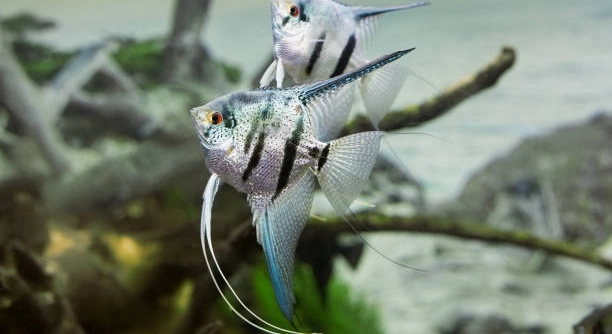
Angelfish fry are delicate creatures that require special care to thrive. Many factors can affect their survival in the early stages of life. It’s important to understand these factors to improve their chances of growing into healthy adults.
There are several factors that can lead to angelfish fry not surviving, including poor water quality, improper temperature, insufficient food, overcrowding, inadequate filtration, stress, and genetics. Ensuring these factors are managed properly is crucial for their survival.
The survival of angelfish fry depends heavily on their environment. By making small adjustments and keeping track of key aspects, you can greatly improve their chances of growing strong and healthy.
Poor Water Quality
Water quality plays a crucial role in the survival of angelfish fry. If the water becomes polluted or if harmful chemicals are present, it can harm or even kill the fry. Ammonia, nitrites, and nitrates are all toxic to these delicate fish, especially in the early stages of life. Regular water changes and proper filtration can help maintain a clean environment. It’s also important to monitor the pH, hardness, and temperature of the water regularly to ensure the fry stay healthy. A stable, clean environment is the foundation for their survival and growth.
Water quality can quickly deteriorate, especially in smaller tanks where waste accumulates more easily. Keeping the water clean means ensuring efficient filtration and not overfeeding, as excess food breaks down and increases the waste in the tank. A proper water-testing kit is essential to monitor the levels of ammonia, nitrites, and nitrates. If these levels get too high, perform immediate water changes. Consistent water care ensures the fry aren’t exposed to dangerous toxins that can stunt or end their growth.
Maintaining the right water conditions is essential, but it also requires careful observation. Keeping the tank clean is just one piece of the puzzle; monitoring the chemistry of the water and adjusting it when necessary is equally important. Regular maintenance and testing are simple but vital tasks.
Temperature Stress
Angelfish fry are very sensitive to temperature fluctuations. Their ideal temperature range is typically between 78°F to 80°F (25°C to 27°C). Any sudden drops or spikes in temperature can stress the fry and lead to poor health or death. It’s crucial to use a reliable aquarium heater and thermometer to ensure the water stays within this optimal range.
Fluctuating temperatures can weaken the fry’s immune system, making them more susceptible to disease. Keeping the water temperature steady is especially important during the first few weeks of life, as fry are more vulnerable to temperature shifts. Using an adjustable heater is an effective way to prevent these fluctuations.
If the water temperature consistently remains within the right range, your angelfish fry will have a better chance at survival. It also helps avoid additional stress that can impact their growth and development. Consistent monitoring of temperature ensures that the fry can thrive in a stable environment without worrying about sudden changes.
Insufficient Food
Angelfish fry need a constant supply of tiny, nutritious food to grow strong. Without enough food, they won’t develop properly and may not survive. You should feed them small, frequent meals of high-quality fry food.
The right food helps the fry grow and develop at a steady rate. Overfeeding can lead to water quality issues, while underfeeding leaves the fry weak and malnourished. Consider feeding them live baby brine shrimp, or specially formulated fry food. These options provide the necessary nutrients for their growth.
It’s important to ensure that the fry have enough food to eat throughout the day. However, you should also remove any uneaten food to prevent water contamination. Keeping a balance between providing enough food and maintaining water quality is key. This simple step can make a big difference in their survival rate.
Overcrowding
Overcrowding can cause serious problems for angelfish fry. When too many fry are kept in one tank, they have less space to swim and grow. This leads to increased stress and a higher chance of illness.
It’s important to keep the fry in a tank that provides enough space for them to move freely. If they are cramped, they may become stunted or more susceptible to diseases like fin rot or fungus. It’s a good idea to spread out the fry into different tanks as they grow, or adjust the number of fry in the tank to prevent overcrowding.
Overcrowding can also lead to poor water quality. The more fish in a tank, the more waste is produced, which can quickly raise ammonia and nitrate levels. Proper tank maintenance, regular water changes, and adequate filtration can help mitigate these risks. Ensuring that the fry are not overcrowded will allow them the space they need to develop into healthy adult angelfish.
Inadequate Filtration
Angelfish fry require clean water to thrive, and having proper filtration is crucial. A filter helps remove waste and harmful chemicals from the water, keeping it safe. Without adequate filtration, water quality can quickly decline, putting the fry at risk.
When selecting a filter, choose one with a gentle flow. Strong currents can stress the fry and even lead to injury. Additionally, remember to clean the filter regularly to avoid clogging and reduce the buildup of harmful toxins. A well-maintained filter ensures the water remains clear and healthy for the fry.
Inadequate filtration can quickly lead to issues like algae growth and a rise in toxic substances, which can be deadly to the fry. A properly filtered tank creates an environment where angelfish fry can grow and develop safely without the stress of polluted water.
Stress
Stress is a major factor in the survival of angelfish fry. Stress can come from many sources, such as high noise levels, sudden changes in water conditions, or overcrowding. When stressed, fry can become weak, leading to stunted growth or even death.
To reduce stress, maintain a stable environment. Keep the tank away from noisy areas, avoid sudden changes to the water, and make sure the fry aren’t overcrowded. Providing plenty of hiding spots, like plants or decorations, can also help the fry feel secure. The more calm the environment, the better the chances for healthy growth.
Genetics
Genetics play a significant role in the survival of angelfish fry. Some fry may be weaker from birth, making them more vulnerable to disease and stress. This is often determined by the genetics of the parents.
Selective breeding can help improve the overall health of future generations. By choosing strong, healthy adult fish to breed, you can increase the chances of raising fry that are better suited for survival. Healthy genetics are a key component in ensuring that the fry thrive and grow into strong adult angelfish.
FAQ
How often should I feed angelfish fry?
Angelfish fry need to be fed several times a day, especially when they’re very young. In the first few weeks, they should be fed small amounts every 3-4 hours. As they grow, you can gradually reduce the feeding frequency to two or three times a day. It’s important to avoid overfeeding, as excess food can pollute the water. Also, ensure the food is small enough for them to eat easily. Tiny live foods like baby brine shrimp or specialized fry food are ideal.
What’s the ideal temperature for angelfish fry?
Angelfish fry thrive in water that is kept at a stable temperature between 78°F and 80°F (25°C to 27°C). Any fluctuations outside this range can stress the fry, leading to stunted growth or increased susceptibility to disease. Use a reliable heater and thermometer to ensure the water temperature stays consistent. Avoid placing the tank near windows or air conditioning vents where the temperature can change unexpectedly. Keeping the fry in a stable, warm environment helps them grow stronger and more resilient.
How can I maintain good water quality for angelfish fry?
Maintaining water quality is crucial for the health of angelfish fry. Regular water changes of 20-30% once or twice a week will help remove waste and toxins that accumulate. It’s also important to monitor the levels of ammonia, nitrites, and nitrates using a water testing kit. Ensure the tank has an efficient filtration system, but avoid strong currents that might stress the fry. Keep the tank clean by removing any uneaten food after feeding. Fresh, clean water provides the best environment for fry growth.
Can I keep angelfish fry with other fish?
It’s not advisable to keep angelfish fry with other fish, especially in the early stages. Larger fish can easily eat or harm the fry. Angelfish fry are delicate and require a peaceful environment to grow. Once they become large enough, they can be moved to a community tank with fish that are compatible in size and temperament. During the first few weeks, it’s best to keep them in a separate, well-maintained tank to prevent stress and ensure their safety.
How can I tell if my angelfish fry are sick?
Sick angelfish fry may display symptoms like lethargy, loss of color, or abnormal swimming behavior. They may also isolate themselves from the rest of the group. Common signs of illness include bloating, white spots on their bodies, or torn fins. If you notice any of these symptoms, test the water quality to ensure it is optimal. Poor water conditions are often the root cause of sickness. If the symptoms persist, you may need to treat the fry with appropriate medication.
Do angelfish fry need light?
Yes, angelfish fry need light, but it should be kept on a regular light cycle of around 12 hours of light and 12 hours of darkness. Too much light can stress the fry, while too little can hinder their development. Make sure the tank is in a well-lit room but not in direct sunlight, as this could cause temperature fluctuations. A gentle aquarium light can provide the right amount of illumination to help the fry grow without causing unnecessary stress.
What type of food is best for angelfish fry?
Angelfish fry need food that is small, nutritious, and easy for them to digest. Initially, they can be fed infusoria or liquid fry food, which are tiny enough for them to consume. As they grow, you can introduce baby brine shrimp, crushed flakes, or specially formulated fry food. Live food like baby brine shrimp or daphnia is an excellent choice because it provides the necessary nutrients for healthy development. Always remove any uneaten food to maintain water quality.
How can I prevent disease in my angelfish fry?
Preventing disease starts with maintaining good water quality, as poor conditions can weaken the fry’s immune system, making them more vulnerable to illness. Quarantine new fish before adding them to the tank to avoid introducing harmful bacteria or parasites. Keep the tank clean, perform regular water changes, and ensure the temperature is stable. Providing a low-stress environment is also crucial. Stress can lead to illness, so make sure the fry have enough space and hiding spots in the tank. Keeping the tank’s water parameters stable is one of the best ways to prevent disease.
When should I move angelfish fry to a bigger tank?
Angelfish fry should be moved to a larger tank as they grow. Once they reach around 1 inch (2.5 cm) in size, they will need more space to swim and continue developing. If they are left in a small tank for too long, overcrowding can occur, which can lead to stress, poor water quality, and potential health issues. Moving the fry to a larger tank gives them room to grow and thrive. Make sure the new tank has proper filtration and stable water conditions before transferring them.
Why are some of my angelfish fry dying?
There are several potential reasons why angelfish fry may die. Poor water quality is a leading cause, as high levels of ammonia, nitrites, or nitrates can be toxic to the fry. Inadequate food, improper temperature, and overcrowding can also contribute to their demise. Stress, caused by aggressive tank mates or environmental factors, weakens their immune system. It’s important to ensure the fry are in a stable, clean environment with proper nutrition. Identifying and addressing the root cause is key to preventing further losses.
Final Thoughts
Raising angelfish fry can be a rewarding experience, but it does come with its challenges. By providing a stable and clean environment, you give them the best chance for survival. Regular water changes, proper filtration, and careful monitoring of water quality are all essential steps. These actions help ensure that the fry can thrive and grow strong without being exposed to harmful toxins. Keeping the water temperature steady and within the recommended range is also crucial for their health. A small investment of time and effort can go a long way in nurturing healthy angelfish.
In addition to the environment, nutrition plays a huge role in their development. Feeding angelfish fry the right foods, such as live baby brine shrimp or high-quality fry food, helps them grow strong. Overfeeding should be avoided, as it can pollute the water and harm the fry. It’s important to provide them with the right balance of nutrients without overwhelming the tank. A feeding schedule that is consistent, but not excessive, allows the fry to grow at a healthy pace while keeping water quality in check.
Lastly, it’s important to keep an eye on the fry’s behavior and general well-being. If any signs of illness or stress appear, such as loss of color or abnormal swimming, take action right away. Poor water quality or stress from overcrowding can lead to problems, so addressing these issues promptly will help ensure the survival of the fry. Keeping them in a peaceful environment, with enough space to grow, will prevent unnecessary stress. With a bit of patience and care, raising healthy angelfish fry can be an enjoyable and fulfilling experience.

Hello,
If you enjoy the content that we create, please consider saying a "Thank You!" by leaving a tip.
Every little bit helps us continue crafting quality advice that supports the health, happiness, and well-being of pets around the world, for pets of all shapes, sizes, and species.
We really appreciate the kindness and support that you show us!