
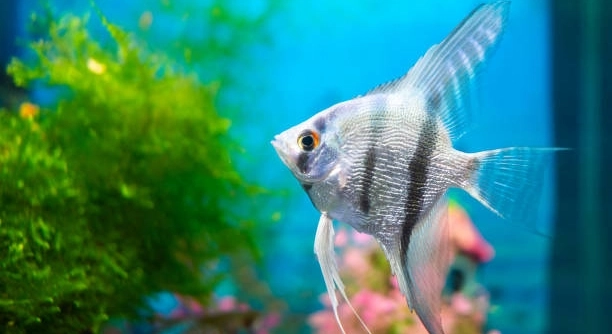
Is your angelfish suddenly darting around the tank, making quick, frantic movements that seem out of the ordinary? This behavior can leave many fish owners feeling confused or even a little worried.
The most common reason your angelfish is darting around is due to stress caused by sudden environmental changes. This includes poor water quality, temperature fluctuations, or aggressive tank mates. Identifying and correcting these triggers is essential.
From checking your tank’s water parameters to observing the behavior of other fish, there are several important things to consider when figuring out what’s going on with your angelfish.
Check the Water Quality First
Poor water quality is one of the top reasons angelfish act strangely. If your fish is darting around, it might be reacting to high ammonia, nitrite, or nitrate levels. Even a small spike can irritate their gills and skin, causing sudden bursts of movement. You’ll want to test your tank water right away. Use a reliable test kit and check each level closely. Don’t forget to look at pH and temperature too. Sometimes, large water changes or inconsistent maintenance can create imbalances that affect your fish. Aim to do partial water changes regularly and keep conditions stable. A clean and healthy tank helps fish stay calm and behave normally. If you catch water issues early, you can usually fix them with simple steps. Sudden darting isn’t always a serious issue, but it’s often a sign that something in the water isn’t right. Fixing this can make a big difference.
Watch your angelfish after you adjust the water. If the darting slows down, it’s a good sign that things are improving.
If you find your tank has ammonia or nitrite levels above zero, take action right away. Change out part of the water, avoid overfeeding, and consider using a water conditioner that detoxifies harmful compounds. Consistent maintenance keeps stress low.
Rule Out Aggression from Other Fish
Sometimes darting means your angelfish is being chased or bullied by tank mates.
Angelfish can be peaceful but do get territorial, especially during breeding or in smaller tanks. If you have aggressive species in the same tank, your angelfish may be trying to escape. Look for torn fins, hiding behavior, or a fish that avoids certain areas. These are signs of conflict. Rearranging decorations or adding plants can create new boundaries and reduce aggression. Also, be sure the tank isn’t overcrowded—fish need space to establish their zones. Watch closely during feeding too. If another fish is hogging food or blocking access, it could be stressing your angelfish. You might have to move one or more fish to another tank if the bullying doesn’t stop. While occasional chasing is normal, constant darting and signs of distress mean something needs to change. Keeping a peaceful tank environment helps all your fish thrive and feel secure.
Check for Sudden Changes in Light or Sound
Loud noises or sudden bright lights can startle angelfish. These sudden changes often cause them to dart quickly across the tank. Keeping the environment calm helps prevent stress reactions.
If your tank is placed near a loud TV, speaker, or high-traffic area, it might be stressing out your angelfish. Vibrations from nearby sounds or sudden flashes of light can easily trigger panic responses. Consider moving the tank to a quieter area or limiting foot traffic around it. Using a dimmer light during the day and turning lights off gradually in the evening can help. Avoid turning tank lights on or off suddenly in a dark room. Fish don’t have eyelids, and sudden light changes can shock them. Keeping things consistent and gentle can go a long way in making your angelfish feel more secure and less likely to dart around.
Also, be mindful of small children tapping on the glass or pets approaching the tank too quickly. These small things can seem harmless to us but feel overwhelming to a fish. Try using a timer for the tank lights to mimic a more natural rhythm. Add floating plants or decorations to give your angelfish shaded areas where they can retreat if they feel threatened. This adds a sense of safety.
Look for Signs of Illness or Parasites
Parasites or bacterial infections can cause darting, especially if your angelfish is trying to scratch or escape discomfort.
Look for signs like flashing (rubbing against objects), rapid gill movement, visible white spots, or changes in appetite. If darting is paired with any of these symptoms, illness might be the cause. Sometimes, internal parasites or skin irritations drive fish to act erratically. Quarantining the angelfish in a separate tank can help you monitor symptoms more clearly and prevent the spread of disease. A vet who specializes in aquatic animals or a trusted aquarium shop may help identify the exact issue and suggest treatment options. Acting quickly is important since untreated health issues can worsen fast.
Regularly checking for changes in your angelfish’s behavior can help you spot illness early. Keep track of what’s normal for your fish so small changes are easier to catch. Maintain clean water and avoid introducing new fish without quarantine. This lowers the chance of spreading parasites or disease. If you do see any unusual signs, don’t just rely on home remedies—do some research or ask an expert. Most fish illnesses are treatable if caught early. It’s better to act at the first sign than wait for it to get worse.
Consider If They’re Spooked by Their Reflection
Angelfish can sometimes mistake their reflection for another fish. This usually happens in tanks with clear or mirrored surfaces, especially when lighting hits the glass just right. They may dart in reaction to what they think is a threat or an intruder.
Try adjusting the tank lighting or adding a background to reduce reflections. You can also place plants or decorations near the glass to break up the reflection. If the darting stops afterward, it’s likely your angelfish was reacting to its own reflection.
Don’t Ignore Boredom or Lack of Stimulation
A tank that lacks stimulation can make angelfish restless. If they have no variety in their environment, they might swim in bursts or dart just out of boredom. Add tall plants, driftwood, or gentle water flow to keep them active and engaged. Changing up decorations occasionally can help too.
Make Sure the Filter Flow Isn’t Too Strong
Strong filter flow can push your angelfish around. If the current is too fast, they may dart as they try to fight it. Try adjusting the filter or adding plants and decorations to break up the flow and create calmer areas.
FAQ
Why is my angelfish suddenly swimming in circles?
Swimming in circles can be a sign of stress, poor water quality, or even illness. Angelfish might swim in circles if they’re reacting to environmental factors like ammonia spikes or low oxygen levels. Check your water parameters, ensure proper filtration, and look for any changes in behavior. If the behavior persists, consider isolating your angelfish to a quarantine tank to monitor for possible health issues like parasites or bacterial infections. It’s also helpful to see if other fish are showing similar symptoms, which may point to an issue with the water or tank setup.
Could my angelfish darting be a sign of aggression from tankmates?
Yes, angelfish can dart around when they feel threatened by other fish. Angelfish are generally peaceful, but they can become territorial, especially during breeding periods. If another fish is bullying or chasing them, they may dart to escape. Observe your tank to see if any fish are showing aggressive behavior. If you notice constant chasing or damage to fins, consider rearranging the tank or moving more aggressive fish to a different tank. Providing enough space and hiding spots can help reduce stress.
How can I stop my angelfish from darting due to water quality issues?
The first step is to test your water for ammonia, nitrites, nitrates, and pH. High levels of any of these can cause your angelfish to feel stressed, leading to darting behavior. Regular water changes and proper filtration are key to maintaining water quality. If the water quality is off, perform a partial water change immediately and check the filtration system to ensure it’s working correctly. Additionally, avoid overfeeding, as uneaten food can cause water quality to decline quickly. Keep the tank clean and monitor levels frequently to prevent future issues.
What could cause my angelfish to dart if they are not sick?
If your angelfish isn’t showing signs of illness, the darting behavior could be a reaction to stress, boredom, or external stimuli like noise or sudden light changes. Make sure the tank is in a quiet area away from loud noises or sudden movements. Additionally, provide plenty of hiding places like plants or decorations to give your angelfish a safe retreat if they feel stressed. A lack of stimulation can also make angelfish more active, so adding new plants or decorations might reduce boredom-related darting.
Can water temperature fluctuations cause my angelfish to dart around?
Yes, sudden temperature changes can cause stress and trigger darting behavior. Angelfish are sensitive to temperature fluctuations, and if the water temperature suddenly rises or drops, they may become disoriented and swim erratically. Use a reliable aquarium thermometer to monitor the water temperature and keep it within a stable range, ideally between 76-84°F (24-29°C). If the tank is in an area with frequent temperature changes, consider using a heater with a thermostat to maintain a consistent temperature.
Is it normal for angelfish to dart around during mating?
Yes, during mating, angelfish can display erratic movements, including darting around the tank. This behavior is usually part of the courtship or territorial disputes between male and female angelfish. However, if the darting continues beyond the breeding period or is accompanied by signs of injury, it may be a sign of stress or aggression from other tankmates. Ensure that the tank provides enough space for your angelfish to establish territories without being disturbed. If aggression continues, you may need to separate the breeding pair to avoid further stress.
Could a lack of oxygen cause my angelfish to dart?
Yes, low oxygen levels can lead to abnormal swimming behavior. Angelfish may dart around the tank or struggle to swim if oxygen levels are insufficient. Make sure your tank is properly aerated, especially if you have a densely stocked tank. Adding an air pump, increasing surface agitation, or improving filtration can help raise oxygen levels. Regular water changes and keeping the tank clean can also support better oxygenation. If you notice your fish gasping at the surface or swimming near the filter intake, it’s a strong indicator that they need more oxygen.
What can I do if my angelfish darts around when stressed?
If stress is causing your angelfish to dart around, the best approach is to address the source of the stress. First, check for any changes in the environment, such as water quality, tankmates, or lighting. Reduce external stressors by moving the tank to a quieter location and limiting sudden changes in light or temperature. Providing hiding places with plants or decorations can also help your angelfish feel more secure. If necessary, consider isolating them in a quarantine tank to help reduce stress from other fish or environmental factors.
How often should I change the water if my angelfish is darting?
Water changes should be done regularly to maintain good water quality. If your angelfish is darting around, it’s a good idea to perform a partial water change immediately. Typically, changing 25-30% of the water every 1-2 weeks is recommended, but you may need to do it more often if the water quality is poor. If you suspect high levels of ammonia, nitrites, or nitrates, perform a larger water change to bring the levels down and reduce stress on your fish. Always test the water before and after changes to ensure levels are safe.
Could overfeeding be the cause of my angelfish darting?
Yes, overfeeding can contribute to poor water quality, which may stress your angelfish. When too much food is given, the uneaten food decays and releases toxins into the water, increasing ammonia and nitrite levels. This can cause your fish to feel uncomfortable and exhibit darting behavior. To avoid this, only feed your angelfish what they can consume within 2-3 minutes. Regularly remove any leftover food to prevent it from decomposing. Additionally, maintain a good filtration system to help keep the water clean and healthy for your fish.
When you notice your angelfish darting around, it can be alarming, but it’s important to remember that there are various reasons behind this behavior. It could be something as simple as water quality issues or even just a response to stress from sudden changes in the environment. Many times, darting is a sign that something needs attention, but it’s usually not a major problem. It’s essential to keep an eye on your fish’s behavior and make the necessary adjustments as soon as possible to avoid further complications. Ensuring stable water conditions, the right tank setup, and a peaceful environment can go a long way in helping your angelfish feel secure.
Sometimes, the cause of darting behavior is something that is easy to fix, like rearranging the tank or providing more hiding spaces. If your angelfish are being bullied by other fish, removing the aggressors or providing more room to establish territories may be all that’s needed. If the issue is related to their reflection, reducing light exposure or placing a background on the tank can help. Even small changes in their environment can have a big impact on how they feel and behave. It’s about observing your fish closely and adjusting to their needs for a healthier and happier life.
In more serious cases, darting may point to health issues, such as parasites or infections. If you’ve ruled out environmental factors and tankmates, checking for signs of illness and addressing any potential health concerns is key. By maintaining proper care and watching out for early warning signs, you can usually prevent any major problems. Remember, your angelfish depend on you for their care and comfort, so by staying proactive and attentive, you can ensure that they remain happy and healthy in their home. Keep up with regular maintenance and observe how they react to changes, and your angelfish will thrive.

Hello,
If you enjoy the content that we create, please consider saying a "Thank You!" by leaving a tip.
Every little bit helps us continue crafting quality advice that supports the health, happiness, and well-being of pets around the world, for pets of all shapes, sizes, and species.
We really appreciate the kindness and support that you show us!