
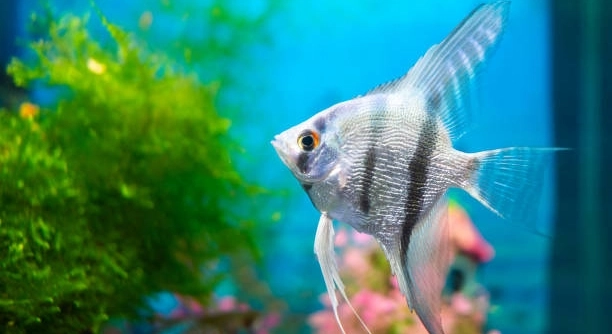
Are your angelfish swimming in cloudy water no matter how often you clean the tank? Keeping tank water clear can feel frustrating, especially when you’re doing everything by the book. It’s a common issue for many fish owners.
The most effective ways to keep angelfish tank water crystal clear include regular maintenance, using a good filtration system, controlling feeding, and managing algae growth. These steps help prevent buildup and maintain a stable, healthy environment.
Clear tank water not only looks better but also supports your angelfish’s well-being. Let’s walk through simple steps to help you achieve a cleaner, healthier tank.
Keep a Consistent Cleaning Schedule
A regular cleaning schedule helps keep your angelfish tank water clear and safe. Over time, waste, leftover food, and plant debris can build up. If not removed, these things cause the water to look cloudy and smell bad. Cleaning once a week is a good starting point. This includes wiping the glass, vacuuming the gravel, and changing part of the water. Avoid cleaning everything all at once, as this can remove helpful bacteria that support the tank’s balance. Use a siphon to remove waste from the bottom. Don’t forget to rinse decorations in used tank water. Avoid using soap or tap water when cleaning anything that goes back into the tank. Try to make the cleaning part of your routine so your tank stays in top shape. Doing this regularly helps prevent problems before they start and keeps your angelfish in a stable, clear environment they can thrive in.
A 20–30% water change each week helps remove waste and keeps the water balanced. Make sure new water is treated and close to the tank’s temperature.
Even if the water looks clean, small particles and waste can still float around and build up. Regular cleaning keeps those from getting out of hand.
Use a Reliable Filtration System
A good filter keeps the water clean by removing waste, uneaten food, and toxins. It also helps the tank water stay clear and oxygen-rich.
Filters come in many types, but for angelfish tanks, it’s best to use one that supports mechanical, biological, and chemical filtration. Mechanical filtration traps particles like uneaten food and plant debris. Biological filtration supports bacteria that break down fish waste into safer substances. Chemical filtration helps remove odors, discoloration, and harmful chemicals. Canister filters work well for larger tanks, while sponge filters are gentle and ideal for breeding or fry tanks. It’s important to clean the filter media on a schedule, but avoid washing it with tap water, as chlorine can kill helpful bacteria. Instead, rinse it in tank water during regular cleaning. Choosing the right filter size for your tank ensures the water circulates properly. This helps prevent dead zones where waste can collect and cause cloudy water. Proper filtration makes a noticeable difference in how clean and fresh the tank looks.
Avoid Overfeeding
Extra food often sinks to the bottom and breaks down, which causes cloudy water. Angelfish don’t need much food, and giving too much only creates waste and stress in the tank.
Feed your angelfish once or twice a day, but only what they can eat in two minutes. Use high-quality flakes or pellets and occasionally supplement with live or frozen foods. Remove any leftovers right after feeding to avoid buildup. It’s better to slightly underfeed than overfeed, as excess food breaks down and affects the water quality. Also, try not to feed if the tank looks cloudy or dirty—wait until it’s cleaned. Keeping feeding under control goes a long way in keeping your water clear and stable.
Overfeeding is one of the most common causes of dirty tank water. It leads to higher ammonia levels, more algae growth, and cloudy water. Stick to a schedule and observe your fish. If food is sinking or left floating, you’re likely giving too much. Angelfish will seem active and healthy if they’re eating the right amount. If they appear sluggish or the water seems off, reevaluate how much you’re feeding and how often. Less food means less waste, fewer problems, and a clearer tank overall.
Remove Decaying Plants and Waste
Old plant leaves, leftover food, and waste add up quickly and affect how clean your water stays. They can decay and release harmful substances that cloud the tank.
Trim dead plant leaves often and check for rotting stems. Use a gravel vacuum during water changes to remove sunken food and waste. If you use live plants, pick ones that do well in your tank setup. Some hardy options like Anubias and Java Fern are less likely to decay. Watch for floating debris—it’s often a sign that something’s breaking down. Uneaten food should always be removed within a few minutes of feeding. If you notice cloudy water or an odd smell, check for hidden waste under decorations or behind plants. Staying on top of this helps keep the water cleaner without much effort.
Organic waste builds up fast if not removed regularly. It creates unstable water conditions and can cause ammonia spikes, which are dangerous for angelfish. Fish waste, dying plant matter, and food particles should all be cleaned out during weekly maintenance. You can also spot trouble early by checking for cloudy patches or slime on surfaces. Use your hands or aquarium tools to gently remove soft or rotting plant pieces. Keeping the tank tidy this way reduces how often you deal with algae, odors, or stressed fish. Small cleanups make a big difference in keeping your tank clear.
Use Activated Carbon
Activated carbon helps remove tiny particles, odors, and discoloration from the water. It works inside your filter and absorbs things that make water look cloudy or smell bad. Replace it every few weeks to keep it working properly.
Don’t rely on activated carbon alone. It’s helpful, but not a substitute for regular water changes and filter maintenance. Think of it as a support tool that helps keep the water looking clear between cleanings.
Control Algae Growth
Too much light and excess nutrients from waste or leftover food make algae grow fast. Limit how long your tank light is on each day—around 8 hours is usually enough. Try to place the tank away from direct sunlight, which encourages algae. If you notice green spots or film on the glass or plants, gently clean it off during your regular maintenance. Live plants can also help by using up nutrients that algae would feed on. You can add algae-eating fish or snails if your setup allows it. Staying consistent with cleaning helps keep algae under control.
Don’t Overstock Your Tank
Too many fish produce more waste than your tank can handle. A crowded tank quickly becomes dirty and hard to manage. Keep a balanced number of angelfish for your tank size.
FAQ
How often should I change the water in my angelfish tank?
Changing the water once a week is a good rule to follow. Try to replace about 20–30% of the tank water each time. This helps remove built-up waste and keeps the water fresh and clear. If your tank is small or has many fish, you may need to change the water more often. Always treat new water with a water conditioner before adding it to the tank. Sudden changes in water temperature or chemistry can stress your angelfish, so it’s important to keep things stable.
Why is my tank still cloudy after cleaning it?
Cloudiness after cleaning can be from stirred-up debris or a bacteria bloom. If you just cleaned the gravel or filter, fine particles may still be floating. These usually settle within a few hours. If the water stays cloudy longer, you might have disturbed the tank’s balance. Overcleaning or replacing too much filter media at once can remove helpful bacteria. Give it a few days to settle and monitor your feeding. If the problem continues, test your water for ammonia, nitrites, and nitrates.
Can live plants help keep my tank clear?
Yes, live plants help by using the same nutrients that algae and bacteria feed on. They also absorb some waste from fish, which helps maintain better water quality. Plants like Java Fern, Anubias, and Amazon Sword are good choices for angelfish tanks. They’re easy to care for and don’t break down quickly. Healthy plants also produce oxygen, which supports your tank’s overall balance. Just be sure to trim dead leaves and remove plant debris during weekly cleanings.
What’s the best filter for an angelfish tank?
A filter with mechanical, biological, and chemical stages is best. Canister filters are great for larger tanks and give strong filtration without strong currents. Hang-on-back filters are easy to use and good for medium-sized tanks. Sponge filters are gentle and good for breeding tanks or fry. Choose a filter rated for your tank’s size. Also, make sure the water flow isn’t too strong, as angelfish prefer calmer waters. Clean or rinse filter media in old tank water to keep the good bacteria alive.
Is cloudy water harmful to my angelfish?
It can be. Cloudy water is often a sign of a problem like poor filtration, too much waste, or a bacteria imbalance. If left unchecked, it may lead to ammonia spikes or oxygen drops, which can stress or harm your angelfish. If the cloudiness appears suddenly, check your water parameters and cut back on feeding until it clears up. A stable, clear tank is much healthier and safer for your fish.
How do I know if I’m overfeeding?
If food is left floating or sinks to the bottom after a few minutes, you’re probably feeding too much. Angelfish should finish their meals within two minutes. You might also notice cloudy water, algae buildup, or a spike in waste levels. Try feeding less and removing any leftovers right after. Watching how your fish behave during feeding will help you adjust the amount.
Can too many angelfish make the water dirty faster?
Yes, too many fish create more waste than the tank can handle. This leads to dirty water, stress, and health issues. Stick to a safe stocking level for your tank size. For a 20-gallon tank, no more than two adult angelfish is ideal. Bigger tanks can handle more, but always make sure your filter is strong enough. Overcrowding makes everything harder to control—water changes, feeding, and cleaning all become more demanding.
Do I need to use water conditioners every time I add new water?
Yes. Tap water often contains chlorine or chloramines, which are harmful to fish. Water conditioners make the water safe by removing these chemicals. Even if your water looks clear, untreated tap water can cause stress or even health problems in your angelfish. Always treat new water before adding it. It only takes a few drops, and it helps protect the tank’s balance and your fish’s health.
Final Thoughts
Keeping angelfish tank water crystal clear takes a bit of effort, but it’s very possible when you stick to a few simple steps. Regular cleaning, proper feeding, and having the right filter make a big difference. These are basic habits that help prevent cloudy water and keep things steady. It’s not about doing everything perfectly all the time. It’s more about staying consistent and watching how your tank looks and smells. When things feel off, making small changes early can stop bigger problems later. Clear water doesn’t just look nice—it’s also a sign that your angelfish are in a healthy space.
Every tank is a little different, so it helps to pay attention to how your fish and plants react to changes. If something isn’t working, it’s okay to adjust your routine. Maybe you need to feed a little less or clean a bit more often. Testing your water can help you understand what’s going on behind the scenes. Ammonia, nitrites, and nitrates can rise without you seeing a problem right away, so testing once a week is a good habit. You don’t need to buy anything fancy—just a basic water test kit will work. When the water is balanced, your angelfish will be more active, eat better, and show brighter colors.
Clear tank water comes from building a routine that works for you and your setup. It’s not just one thing that keeps the water clean, but a mix of good habits—cleaning regularly, feeding carefully, using helpful tools like filters and carbon, and not overcrowding your tank. It’s normal to run into small issues along the way, but don’t get discouraged. With a little patience and attention, your angelfish can live in a space that’s calm, clear, and healthy. A clean tank doesn’t just help the fish—it also makes it more enjoyable to care for them. When you walk by and see a tank that’s clear and peaceful, it’s a small reward for the time you put in.

Hello,
If you enjoy the content that we create, please consider saying a "Thank You!" by leaving a tip.
Every little bit helps us continue crafting quality advice that supports the health, happiness, and well-being of pets around the world, for pets of all shapes, sizes, and species.
We really appreciate the kindness and support that you show us!