
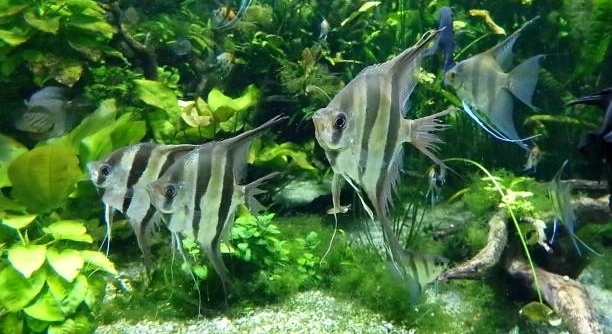
If you have an angelfish tank, it’s important to make sure the light levels are just right. Too much light can cause issues for your tank’s health, affecting both the fish and the plants.
Excessive light in an angelfish tank can lead to algae growth, stress on the fish, and disrupted plant growth. Signs of too much light include excessive algae blooms, fish hiding, or plants struggling to thrive.
Adjusting light levels can improve the tank’s environment, ensuring both fish and plants thrive. Understanding these effects can help you create a better space for your angelfish to live happily.
How to Identify Too Much Light in Your Angelfish Tank
Excessive light can have a negative impact on an angelfish tank. The first sign you may notice is the rapid growth of algae. Algae thrives in environments with constant, strong light, leading to a tank that looks green and unclean. This can affect the aesthetic quality of your tank and cause your angelfish to feel stressed. The fish may start hiding more than usual or swim aimlessly. The plants in the tank may also suffer, with some species showing signs of deteriorating health, such as yellowing leaves or stunted growth. It’s important to observe your tank regularly to identify these signs early on.
When light levels are too high, algae growth accelerates quickly. If you notice an overgrowth, consider reducing the lighting duration or intensity. Overexposure to light can harm both the visual appeal of your tank and the wellbeing of its inhabitants.
You’ll also notice that your angelfish behave differently. Instead of swimming freely, they may stay in shaded areas, avoiding the harsh light. Angelfish are sensitive creatures, and excessive light can stress them, affecting their overall health. By adjusting the light, you allow them to feel more comfortable and reduce the negative impacts of overexposure.
The Role of Lighting Duration
The duration of light exposure plays a key role in maintaining a healthy angelfish tank. Keeping the light on for too long every day can quickly lead to issues like algae blooms. Limiting the light to 8-10 hours a day ensures that your angelfish experience natural day and night cycles, reducing stress and promoting healthy fish behavior.
Proper lighting is vital for the tank’s ecosystem. If the tank is exposed to light beyond the ideal timeframe, it can cause significant imbalances. Angelfish and other creatures in the tank will struggle with the excess light, leading to poor water quality. Regularly adjusting your tank’s lighting schedule will help mitigate these risks.
Algae Growth and Its Impact on Your Tank
Excessive lighting can trigger algae overgrowth, which quickly becomes a major issue in your angelfish tank. Algae takes away nutrients from other plants, creating an imbalanced environment. Not only does this affect the aesthetic of your tank, but it can also affect the health of your fish and plants.
With too much light, algae can quickly spread across surfaces in your tank, including the walls, decorations, and plants. This creates a layer of green that blocks light from reaching the plants below, slowing down their growth. In some cases, algae can even become harmful, as it competes with your plants for necessary resources, weakening the overall ecosystem. The presence of algae in excess is a clear sign that your tank may have too much light.
Reducing light exposure for your tank’s inhabitants allows your plants to get the necessary light they need without the overgrowth of algae. Reducing the light cycle to a recommended duration is the best way to fight this problem and ensure your tank stays healthy.
Fish Behavior and Stress from Excessive Light
Your angelfish will show signs of stress if they are exposed to too much light. These signs may include hiding more often, swimming aimlessly, or avoiding the brighter parts of the tank. If your fish display these behaviors, it’s likely the lighting is overwhelming them.
Angelfish prefer softer lighting that mimics their natural environment. When placed under constant bright light, they can become stressed, affecting their immune system and overall health. The discomfort they experience leads them to seek out dimmer areas of the tank, where they feel more secure. By adjusting the lighting, you can help reduce the stress and allow your angelfish to thrive.
Too much light doesn’t only affect fish behavior—it also disrupts their feeding and breeding cycles. Angelfish, like many species, need a balance of light and dark periods to maintain a healthy daily routine. By monitoring and adjusting the lighting, you can create an environment where they feel more comfortable and secure.
Plant Growth and Light Overload
When there’s too much light, it affects the plants in your tank. Plants need light to grow, but too much can cause them to wither or become overwhelmed. Excessive light can lead to yellowing leaves or plants that grow too quickly, which is not ideal.
If your plants start showing signs of stress, like stunted growth or fading colors, it’s a clear indication that light levels may be too high. The plants are either not able to absorb nutrients properly or are being burned by the intensity of the light. This imbalance impacts the tank’s overall health.
Light Intensity and Its Effects
The intensity of light matters just as much as its duration. If the light in your tank is too bright, it can lead to rapid algae growth, affect plant health, and stress your fish. To keep things balanced, avoid high-intensity lights that are too close to the tank.
While bright light can seem appealing, it can lead to more problems than solutions. A softer, more diffused light helps maintain balance in the tank’s ecosystem. This type of lighting promotes healthy plant growth while also reducing the chances of algae bloom. By choosing the right intensity, you’ll create a stable environment for your angelfish and plants to thrive.
FAQ
How long should I keep the lights on for my angelfish tank?
For an angelfish tank, keeping the light on for about 8 to 10 hours a day is ideal. This replicates natural day and night cycles, promoting healthy behavior for both the fish and the plants. It’s important to avoid leaving the lights on too long, as this can lead to excessive algae growth and stress for the fish. A timer can help you maintain a consistent lighting schedule.
What kind of light should I use for my angelfish tank?
Angelfish thrive under soft, moderate lighting. Avoid overly bright or intense lights, which can stress the fish and cause algae overgrowth. LED lights with adjustable intensity are often recommended, as they provide a more natural spectrum of light. You can also choose plant-specific lights if you have live plants in the tank, as they help promote healthy growth while minimizing algae issues.
Can too much light harm my fish?
Yes, too much light can stress your angelfish, leading to abnormal behaviors such as hiding or lethargy. Excessive lighting disrupts their natural cycle and can affect their overall health. Fish are sensitive to light, so it’s essential to create a balanced environment that mimics their natural habitat. By adjusting the lighting duration and intensity, you can ensure the fish feel safe and comfortable.
How can I tell if my tank has too much light?
Signs that your tank may have too much light include excessive algae growth, plants showing signs of stress, and angelfish behaving oddly, such as hiding or swimming in places they usually avoid. If you notice algae covering surfaces or plants turning yellow, it’s a clear indication the light may be too intense or on for too long.
What is the best way to reduce algae in my angelfish tank?
To reduce algae, limit the light exposure to about 8 to 10 hours a day. Clean the tank regularly to remove any algae buildup on surfaces, and consider using an algae scraper. Another helpful tip is to use live plants that can outcompete algae for nutrients. You could also adjust the lighting intensity and remove excess nutrients in the water to prevent further growth.
Should I turn off the lights at night?
Yes, it’s essential to turn off the lights at night to mimic the natural day-night cycle. Angelfish, like most fish, need a period of darkness to rest and maintain their health. Continuous light can disrupt their circadian rhythm, leading to stress and potentially affecting their immune system. A 12-hour light cycle, with 8-10 hours of light and the rest in darkness, is ideal.
How do I know if the light is too bright for my plants?
If your plants are showing signs of stress, such as yellowing leaves, stunted growth, or bleaching, the light may be too bright. Plants typically need light to thrive, but too much intensity can burn them or cause them to grow too quickly, using up all the nutrients in the water. Reducing the intensity or adjusting the light’s duration can help balance plant health.
Can I use natural sunlight instead of artificial lighting for my tank?
While natural sunlight can be an option, it’s not always the best choice. Sunlight can be too intense and fluctuate throughout the day, which can lead to temperature swings and algae growth. It’s easier to control artificial lighting, which provides more consistency and stability for your tank’s environment. If you do use natural sunlight, be sure to monitor the tank for any signs of excessive algae or stress in the fish.
What happens if I leave the lights on for too long?
Leaving the lights on for too long can lead to rapid algae growth, which competes with plants for nutrients and light. It can also cause stress for your angelfish, who may hide or become lethargic. Prolonged exposure to light can disrupt the natural sleep cycle of your fish, potentially affecting their health. Stick to the recommended lighting schedule to maintain a balanced tank environment.
Can I use a timer for my tank lights?
Yes, using a timer for your tank lights is highly recommended. It helps maintain a consistent lighting schedule, which benefits both your angelfish and plants. Timers eliminate the risk of leaving the lights on too long, making it easier to follow the ideal 8-10 hour lighting cycle. You can set the timer according to your preference, ensuring the tank gets the right amount of light each day.
Final Thoughts
Maintaining the right lighting balance in your angelfish tank is crucial for the health of both your fish and plants. Too much light can lead to a range of problems, from algae overgrowth to stressed angelfish. Algae can quickly become a nuisance, covering surfaces and competing with plants for nutrients. It’s essential to monitor the lighting carefully, ensuring it stays within the recommended 8 to 10 hours per day to prevent these issues. By keeping a consistent schedule and adjusting light intensity when necessary, you can create a more stable environment for your tank’s inhabitants.
It’s also important to consider the type of light you use. LED lights with adjustable intensity are often the best choice for angelfish tanks. They mimic natural light and allow for better control over both the light duration and intensity. A moderate light setting helps prevent algae growth, encourages healthy plant development, and provides a comfortable atmosphere for your angelfish. Choosing the right lighting can make a significant difference in the long-term success of your aquarium. You can also incorporate plants that help balance the tank by competing with algae for nutrients.
In conclusion, light plays a critical role in your angelfish tank. Too much or too little light can disrupt the balance of your ecosystem, affecting everything from the growth of plants to the behavior of your fish. By controlling light duration, intensity, and quality, you can ensure that your tank remains healthy and visually appealing. Regular maintenance, including adjusting the lighting and cleaning the tank, will help keep everything in harmony, allowing your angelfish and plants to thrive.

Hello,
If you enjoy the content that we create, please consider saying a "Thank You!" by leaving a tip.
Every little bit helps us continue crafting quality advice that supports the health, happiness, and well-being of pets around the world, for pets of all shapes, sizes, and species.
We really appreciate the kindness and support that you show us!