
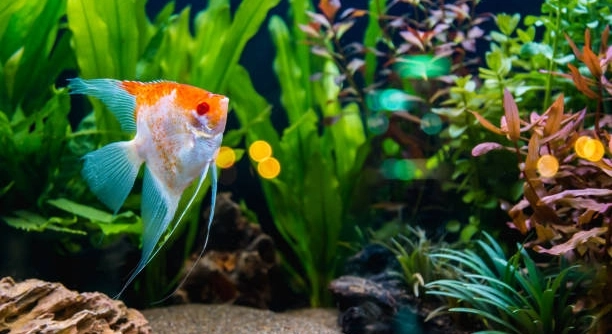
Angelfish are known for their calm and peaceful nature. However, if your angelfish is acting skittish, it can be concerning. Several factors can contribute to this behavior, and understanding them can help address the issue.
Skittish behavior in angelfish is often caused by stress factors such as poor water quality, sudden changes in the environment, illness, or even aggressive tank mates. Identifying and addressing these issues can help restore your angelfish’s calm demeanor.
Taking steps to reduce stress in your angelfish’s environment will help improve their behavior. Understanding the causes behind this issue will enable you to provide the best care for your fish.
Poor Water Quality
Water quality is one of the most common reasons behind angelfish acting skittish. These fish are sensitive to changes in their environment, especially when it comes to water conditions. High levels of ammonia, nitrites, or nitrates can stress them out, leading to erratic swimming patterns. Regular water testing is essential to maintain a stable environment for your angelfish. If the pH, hardness, or temperature fluctuates too much, they can become anxious and skittish. Additionally, dirty or old water can contribute to bacterial or fungal infections, which can also make your fish behave strangely. Keeping up with water changes and using high-quality filtration will ensure your angelfish stays calm and healthy.
Maintaining good water quality involves monitoring parameters and ensuring consistent water changes. This is a straightforward but necessary step in ensuring your fish feels comfortable.
A reliable water testing kit will help you keep track of the tank’s levels. Remember, water that is too warm or too cold can also stress your angelfish, so maintaining a temperature range between 74°F and 80°F is key. Be mindful of overfeeding as well, as leftover food can deteriorate water quality. If you notice your angelfish swimming erratically or hiding, it’s a sign to test the water and make adjustments as needed.
Tank Mates
Aggressive tank mates can trigger anxiety in angelfish, causing them to act skittish. Angelfish are generally peaceful, but when placed with overly aggressive or fast-moving fish, they may feel threatened.
Tank mates should be chosen with care. If your angelfish is constantly under attack or chased, this could lead to stress. Some fish, like cichlids or barbs, are more aggressive and may bully angelfish. If the tank is overcrowded, this can lead to competition for space and resources, creating an environment that isn’t peaceful. To avoid this, research the temperament of potential tank mates before adding them.
Having peaceful companions, like tetras or mollies, is ideal for angelfish. If you suspect aggression from tank mates, consider rearranging decorations to break territorial behavior. This helps to reduce conflicts and gives your angelfish the chance to swim freely. If necessary, remove aggressive fish to restore calm to the tank.
Illness
When angelfish are sick, they can display unusual behavior, including skittishness. Illness can cause physical discomfort, making the fish act nervously or hide more often. Signs of illness include changes in swimming patterns, loss of appetite, or visible spots and lesions on the skin. If you notice any of these signs, it’s important to isolate the fish and check for common ailments such as parasites, fin rot, or internal infections. Early detection is crucial to prevent the spread of disease to other fish in the tank.
Taking quick action can help prevent the illness from getting worse. If you suspect your angelfish is sick, check the water quality first, as poor conditions can contribute to disease. Quarantining the fish can help prevent further spread. Treatments such as aquarium salt or prescribed medications may be necessary to cure the illness, depending on the condition. Be sure to follow the recommended dosage and duration of treatment to avoid further stress.
The health of your angelfish can improve significantly once the illness is addressed. After treating the condition, maintain stable water conditions and monitor the fish closely. A healthy, comfortable angelfish should gradually return to normal behavior. Consistent water changes and careful observation are key to preventing future health issues.
Stress
Stress can be a major factor in why your angelfish is acting skittish. This can stem from many factors, including changes in the tank environment, overfeeding, or too much human activity around the tank. Fish are highly sensitive to their surroundings, and any sudden changes can leave them anxious. It’s important to create a calm, stable environment for your angelfish. This includes avoiding drastic changes in water temperature, lighting, and even decor.
A constant level of peace in their environment is vital for angelfish. If there is too much movement around the tank, such as constant tapping or too much noise, your fish can get stressed and act erratically. Even a change in their tank setup can cause them to feel threatened. Keeping the aquarium in a quieter, less trafficked area of your home can help reduce stress. You may also want to limit interactions, allowing the angelfish to feel more secure in their habitat. This simple step can make a big difference in your fish’s behavior.
When stress is reduced, your angelfish will likely return to its normal, calm behavior. Over time, the fish should become more comfortable and less skittish, as long as the environment remains stable. Maintaining a peaceful atmosphere can ensure the long-term health of your angelfish.
Temperature Fluctuations
Angelfish are sensitive to changes in temperature. If the water becomes too warm or too cold, it can cause stress and skittish behavior. Ideal temperatures range from 74°F to 80°F. Anything outside this range may affect their health and behavior. Sudden temperature shifts are especially stressful.
Maintaining a consistent temperature is crucial for your angelfish. Use a reliable aquarium heater to regulate the water temperature. Avoid placing the tank in direct sunlight or near cold drafts, as these can cause fluctuations. Stable conditions will help your angelfish feel more secure and comfortable in their environment.
To help prevent temperature issues, monitor the water regularly using a thermometer. A sudden spike or drop in temperature can be harmful. With consistent care, your angelfish will thrive and avoid skittish behavior caused by temperature changes.
Overcrowding
Overcrowding a tank can stress angelfish and cause them to act skittish. When there are too many fish in a tank, it leads to competition for space, oxygen, and food. This can create an uncomfortable environment for your angelfish, making them nervous and unsettled.
To avoid overcrowding, ensure your tank is appropriately sized for the number of fish you have. Angelfish need enough space to swim freely. As a rule of thumb, allow at least 10 gallons of water per angelfish to ensure they have enough room. A spacious environment reduces stress and promotes calm behavior.
Poor Diet
A poor diet can contribute to an angelfish’s skittish behavior. If your fish isn’t getting the right nutrients, it may become weak, stressed, or less active. An imbalanced diet can also cause health problems, further increasing anxiety. A varied, nutritious diet is essential for their overall well-being.
Feed your angelfish a mix of high-quality flake food, pellets, and occasional live or frozen foods. This variety ensures they receive the proper nutrients. Overfeeding can also be an issue, so feed in small amounts to avoid leftover food that can pollute the water. Regularly adjusting their diet based on their needs will keep them healthy and reduce stress.
FAQ
Why is my angelfish hiding all the time?
Hiding is often a sign that your angelfish is stressed, sick, or uncomfortable in its environment. Stressors such as aggressive tank mates, poor water quality, sudden changes in the tank setup, or loud noises can cause your angelfish to seek refuge in darker or hidden areas of the tank. If hiding becomes a frequent behavior, it’s essential to check the water conditions and ensure there are no aggressive fish present. Consider reducing stress factors and monitoring the fish’s behavior closely for any signs of illness.
What causes angelfish to swim erratically?
Erratic swimming in angelfish can be triggered by a number of factors, such as poor water quality, stress, illness, or sudden changes in the tank environment. Water parameters like ammonia, nitrite, and nitrate levels should be tested, as these can cause discomfort and lead to abnormal swimming patterns. Additionally, an overstocked tank or aggressive tank mates can create a stressful environment that causes erratic movement. If erratic behavior persists, it’s important to look for any signs of illness, such as bloating or external lesions.
Can angelfish become stressed from their tank mates?
Yes, angelfish can become stressed by aggressive tank mates. Although angelfish are generally peaceful, they can be intimidated by fast-moving or territorial fish. Species like cichlids, barbs, or other larger fish may bully angelfish, leading to stress and skittish behavior. Ensuring that tank mates are compatible with angelfish is crucial. If aggressive behavior is observed, rearranging the tank or removing the aggressor may be necessary to restore calm.
How do I know if my angelfish is sick?
If your angelfish shows signs of abnormal behavior, such as swimming in circles, hiding excessively, or losing appetite, it may be sick. External signs to watch for include faded or discolored fins, white spots, lesions, or swollen areas on the body. Sick angelfish may also breathe more rapidly or have trouble swimming. It’s important to isolate the fish if illness is suspected and monitor the tank’s water quality. Early detection and treatment can help prevent the spread of disease.
Can water temperature cause angelfish to act skittish?
Yes, temperature fluctuations can make angelfish feel stressed and cause skittish behavior. These fish are sensitive to temperature changes and require a stable environment to thrive. The ideal water temperature for angelfish is between 74°F and 80°F. Temperatures outside of this range, whether too hot or too cold, can cause discomfort and lead to erratic or nervous behavior. Ensure that your tank has a reliable heater and thermometer to maintain consistent water temperature.
Is overfeeding my angelfish a problem?
Overfeeding can be harmful to angelfish in multiple ways. Excess food can decompose in the tank, leading to poor water quality and increased ammonia levels. This, in turn, can cause stress and lead to skittish behavior. Additionally, overfeeding can lead to obesity and digestive issues in your angelfish. It’s important to feed them small amounts of food that they can eat within a few minutes. Remove any uneaten food after feeding to prevent water contamination.
Can poor water quality cause angelfish to act skittish?
Poor water quality is a major stressor for angelfish. High levels of toxins like ammonia and nitrites, along with an unbalanced pH, can irritate your fish and lead to erratic behavior. Angelfish are particularly sensitive to changes in water parameters, so regular water testing is essential. Keeping the tank clean with regular water changes, proper filtration, and monitoring of chemical levels will help keep your angelfish calm and healthy.
Do angelfish get stressed easily?
Yes, angelfish are sensitive creatures and can get stressed easily. Factors like sudden changes in the tank, poor water quality, loud noises, or the introduction of new fish can all lead to stress. Overcrowding and the presence of aggressive tank mates can also cause anxiety. Keeping a stable environment with minimal disruptions will help prevent stress and keep your angelfish feeling safe and secure.
How can I reduce stress in my angelfish tank?
To reduce stress in your angelfish tank, ensure that the water quality is optimal by performing regular water changes and checking for toxins. Keep the tank temperature stable and within the ideal range. Avoid sudden changes in the environment and ensure that tank mates are peaceful. Adding hiding spots and plants can give your angelfish areas to retreat to when feeling anxious. Limiting noise and activity around the tank also helps in creating a peaceful environment.
Can angelfish become skittish if they are not getting enough food?
Yes, if your angelfish isn’t receiving enough food, it may become stressed and act skittish. A lack of food can weaken the fish, leaving it more vulnerable to stress and illness. Inadequate feeding can also lead to competition among tank mates, increasing the tension in the aquarium. Be sure to feed your angelfish a balanced diet of high-quality pellets, flakes, and occasional live or frozen foods. Regular feeding will help ensure they stay healthy and calm.
Final Thoughts
Angelfish are sensitive creatures, and understanding their behavior is crucial to providing them with the best care. Skittish behavior often points to stressors in their environment, such as poor water quality, temperature fluctuations, or incompatible tank mates. Recognizing the signs early can help prevent further stress and potential health issues. Maintaining stable water conditions, providing enough space, and ensuring your angelfish have a balanced diet can make a big difference in their overall well-being.
While some amount of nervousness is normal, frequent skittish behavior should not be ignored. It’s important to regularly check water quality, including ammonia, nitrite, and nitrate levels, to ensure your fish aren’t exposed to harmful substances. Temperature control is also essential, as dramatic changes in water temperature can cause stress. A consistent and well-maintained tank environment will help your angelfish feel more secure and reduce anxiety-related behaviors. Avoid overcrowding, as angelfish need space to swim comfortably and avoid feeling threatened by other fish.
In addition to water conditions and tank setup, consider the role of tank mates. Angelfish are generally peaceful but can become skittish if they are surrounded by aggressive or overly active fish. It’s best to pair them with peaceful species that won’t intimidate them. Providing hiding spots and plants will allow them to retreat when they need a break. With the right care and environment, your angelfish can live a long, healthy, and happy life free from the stress that causes skittish behavior.

Hello,
If you enjoy the content that we create, please consider saying a "Thank You!" by leaving a tip.
Every little bit helps us continue crafting quality advice that supports the health, happiness, and well-being of pets around the world, for pets of all shapes, sizes, and species.
We really appreciate the kindness and support that you show us!