
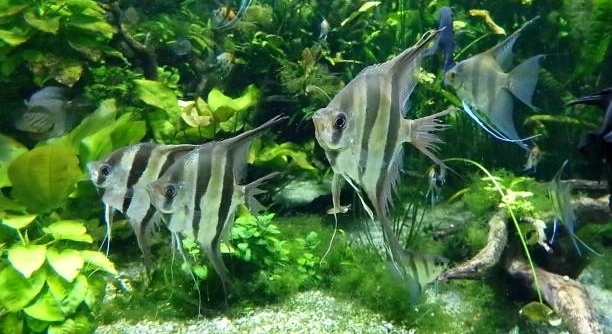
Setting up an angelfish tank can be an exciting experience, but there are certain mistakes to avoid to ensure your fish thrive in their new environment. Proper planning and attention to detail are essential for creating a safe and healthy habitat.
When setting up an angelfish tank, it is important to avoid overcrowding, poor water quality, and inadequate tank size. Angelfish need ample space to swim and a stable, clean environment to prevent stress and disease. Proper filtration and regular water changes are essential.
Understanding these key factors will help you create the best environment for your angelfish, ensuring their well-being and happiness in their new home.
Overcrowding the Tank
Overcrowding is a common mistake many people make when setting up an angelfish tank. Angelfish are relatively large and need plenty of space to swim. When they’re kept in cramped conditions, they can become stressed, which may lead to health problems or aggression. It’s crucial to provide enough room for each angelfish to move freely and establish its own territory. In general, a 20-gallon tank should be the minimum size for a pair of angelfish. If you plan to keep more, you’ll need to increase the tank size accordingly.
Make sure you also account for other fish in the tank. Too many fish in a small space can result in poor water quality, which further stresses your angelfish. When adding new fish, always research their size and temperament to make sure they’re compatible with angelfish.
Give your angelfish the space they need to thrive. By providing enough room, you’re not only improving their physical health but also helping them live peacefully with other tank mates.
Poor Water Quality
Water quality plays a crucial role in the health of your angelfish. Angelfish are sensitive to changes in water conditions. Regular water changes and proper filtration are key to maintaining a stable environment.
Neglecting water quality can cause a build-up of toxins, which can lead to illness or even death. Keep a close eye on pH levels, ammonia, nitrites, and nitrates to avoid dangerous spikes. Consider using a good filter that can handle the volume of your tank to keep the water clean and clear.
Inadequate Tank Size
Choosing the right tank size is essential for angelfish. A small tank may look appealing, but it limits their movement and can lead to poor water conditions. Angelfish require at least a 20-gallon tank for a pair, and more space is needed if you’re keeping additional fish.
A larger tank allows for better filtration and oxygenation, which improves overall water quality. When selecting a tank, think long-term. Your angelfish will grow over time, and a tank that’s too small will quickly become cramped. Providing ample space allows them to swim freely, reducing stress and promoting better health.
A proper tank size is an investment in your angelfish’s well-being. It’s worth taking the time to choose the right size from the start, as it can save you from future issues with overcrowding or poor water quality.
Incorrect Temperature
Angelfish prefer warmer water, typically between 76°F and 82°F. Temperature fluctuations can stress them out and lead to illness. Investing in a reliable heater is crucial to maintaining a stable temperature.
Ensure your heater is sized appropriately for your tank. Too large or small a heater can cause uneven heating, leading to temperature swings. Angelfish are sensitive to changes in water temperature, and even slight fluctuations can cause problems with their immune system, making them more prone to infections. Regularly check the water temperature to ensure it stays within the desired range.
Maintaining the right temperature helps angelfish stay healthy and active. Consistent, warm water promotes proper digestion and overall vitality, ensuring your angelfish thrive in their environment.
Using the Wrong Substrate
Choosing the wrong substrate can affect the water quality and health of your angelfish. Avoid sharp or rough gravel, as it can injure your fish. Opt for smooth sand or fine gravel instead. The right substrate helps maintain stable water conditions and allows beneficial bacteria to grow, improving filtration.
Substrate also impacts how your angelfish interact with their environment. It provides a more natural look to the tank and can reduce stress. Make sure the substrate is easy to clean, as waste can accumulate quickly in an improper substrate, affecting water quality.
Overfeeding
Overfeeding is a common mistake many make with angelfish. It can lead to excess waste, which causes poor water quality. Fish should be fed small amounts once or twice a day.
Leftover food can decompose and affect the water, so be mindful of how much you’re feeding. A good rule of thumb is to offer only what your fish can consume in about 2-3 minutes. This ensures that the tank stays clean and your angelfish remain healthy.
Lack of Proper Filtration
Filtration is essential for maintaining water quality. A good filter removes debris and harmful substances, keeping your angelfish in a healthy environment. Choose a filter suitable for the size of your tank.
Proper filtration also helps prevent the build-up of ammonia and nitrates, which can be toxic to your fish. Invest in a high-quality filter that can handle the demands of your tank size. Regular maintenance of the filter is also necessary to keep it running efficiently. A clean filter ensures your angelfish can swim comfortably without worrying about water quality.
FAQ
What size tank do angelfish need?
Angelfish need a minimum of a 20-gallon tank for a pair. However, if you plan to keep multiple angelfish or other fish, you’ll need a larger tank. A 29-gallon tank or bigger will provide more space for your fish to swim and establish their own territory. Larger tanks also help maintain better water quality. If you want to keep angelfish in a community tank, consider a 55-gallon tank to ensure there is enough space for everyone.
Can angelfish live with other fish?
Yes, angelfish can live with other fish, but compatibility is key. Avoid keeping them with smaller, delicate fish that might become targets for aggression. Also, steer clear of fin-nipping species like tetras or barbs. Good tank mates include peaceful species like gouramis, corydoras catfish, and some types of plecos. Always monitor interactions, as angelfish can be territorial, especially when breeding.
How often should I clean my angelfish tank?
Cleaning should be done regularly to maintain a healthy environment for your angelfish. Perform partial water changes of about 20-25% every 1-2 weeks to keep the water clean. Vacuum the substrate to remove any accumulated debris and uneaten food. Don’t forget to clean the filter media and check the filter every month to ensure it’s working properly.
What do angelfish eat?
Angelfish are omnivores and enjoy a varied diet. They will thrive on a mix of high-quality flakes, pellets, and frozen foods. Offer a combination of foods like bloodworms, brine shrimp, and daphnia. You can also feed them blanched vegetables like spinach or zucchini. Be sure to avoid overfeeding, as it can lead to water quality issues.
Do angelfish need a heater?
Yes, angelfish require a heater to maintain a stable water temperature between 76°F and 82°F. A consistent temperature is important for their health and to avoid stress. Sudden temperature fluctuations can make them more susceptible to illness. Make sure the heater is appropriate for the size of your tank.
How can I tell if my angelfish are healthy?
Healthy angelfish are active swimmers, have vibrant colors, and exhibit normal behavior, such as swimming in schools or exploring their environment. Look for signs of illness, such as faded colors, erratic swimming, or visible wounds. If your angelfish appear lethargic or are hanging near the surface, there may be an issue with water quality or their health.
Do angelfish breed easily?
Angelfish can breed fairly easily in the right conditions. To encourage breeding, provide a suitable breeding area, like a flat surface near the bottom of the tank. Make sure the tank is clean and the water is stable. Angelfish typically lay eggs on surfaces like leaves or tank decorations, and both parents will guard and care for the eggs. It can take some time before they spawn, but once they do, it’s an exciting experience.
What temperature should I keep my angelfish tank at?
The ideal temperature range for angelfish is between 76°F and 82°F. They thrive in warm water, and maintaining a stable temperature is key to keeping them healthy. Fluctuations can cause stress and weaken their immune systems. A reliable aquarium heater will help keep the temperature within the desired range.
Can angelfish live in a freshwater tank?
Yes, angelfish are freshwater fish and should be kept in a freshwater tank. They thrive in soft, slightly acidic water with a pH of around 6.5 to 7.5. Regular water changes and maintaining proper water parameters are necessary to keep your angelfish happy in a freshwater environment.
How do I stop my angelfish from being aggressive?
Angelfish can become aggressive, especially when they feel their territory is threatened or when they are breeding. To reduce aggression, provide plenty of hiding spots and decorations to break up the line of sight. Make sure your tank is large enough to give each angelfish space. Keeping them with compatible, peaceful tank mates can also reduce aggressive behavior. Avoid overcrowding and keep the water conditions stable to help minimize stress and aggression.
Final Thoughts
Setting up an angelfish tank requires careful attention to several factors, including tank size, water quality, and proper tank mates. While it might seem overwhelming at first, creating a healthy and thriving environment for your angelfish can be quite rewarding. By following basic guidelines like providing a suitable tank size and stable temperature, your angelfish can live comfortably and stay healthy. Regular maintenance is key to ensuring the water stays clean and the fish remain stress-free.
Understanding the needs of your angelfish helps prevent common mistakes, such as overfeeding, improper water conditions, and overcrowding. It’s important to remember that angelfish, like all fish, rely on their environment for survival. Taking time to research and properly set up their tank will result in a happier and more vibrant aquarium. With patience and care, your angelfish can live for years, adding beauty and interest to your home.
Ultimately, creating a thriving angelfish tank is about consistency. Stick to a regular schedule for water changes, feed your fish appropriately, and maintain the right water conditions. If you notice any issues, address them quickly before they escalate. By following these simple steps, you’ll create a stable and healthy home for your angelfish, ensuring they thrive for years to come. The effort you put into maintaining your tank will not only benefit your fish but also improve your overall enjoyment of the aquarium.

Hello,
If you enjoy the content that we create, please consider saying a "Thank You!" by leaving a tip.
Every little bit helps us continue crafting quality advice that supports the health, happiness, and well-being of pets around the world, for pets of all shapes, sizes, and species.
We really appreciate the kindness and support that you show us!