
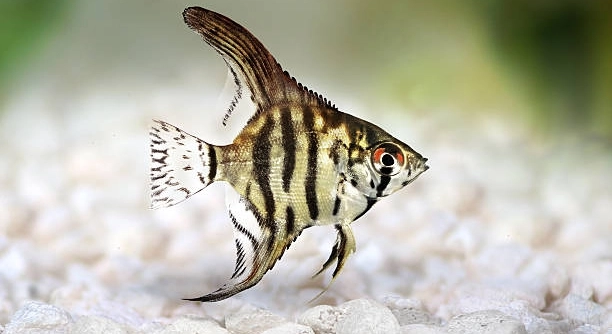
Introducing new angelfish into a community tank can be a challenging experience. Fish, especially angelfish, are sensitive to their environment and can become stressed when introduced to a new setting. Understanding how to minimize this stress is key to their well-being.
One of the most effective ways to reduce stress in new angelfish is by acclimating them slowly to their new tank environment. Gradual introduction allows the fish to adjust to the water temperature, pH, and other conditions, which can help prevent shock.
Implementing these strategies will help ensure that your angelfish settle in comfortably and thrive in their new home.
Gradual Acclimation to the New Tank
When introducing new angelfish, it’s important to start with a slow acclimation process. Fish can be sensitive to changes in their environment, so the smoother the transition, the less stress they’ll experience. Begin by floating the bag containing the new fish in the tank for about 15-20 minutes. This allows the temperature inside the bag to gradually match that of the tank. Next, open the bag and slowly add small amounts of tank water to it. This helps the fish adjust to the pH levels and water chemistry. After about 30 minutes, gently release the fish into the tank.
Proper acclimation is essential to minimizing stress. It’s not just about temperature but also about creating a stable environment. Sudden changes in water parameters can shock angelfish and other sensitive species. Gradual introduction helps to keep their stress levels at a minimum.
Taking time with the acclimation process ensures that the fish are better prepared for their new home and environment.
Creating a Calm and Stable Environment
Maintaining a stable environment in your community tank is crucial for reducing stress in new angelfish. Avoid making rapid changes to the water’s temperature, pH, or hardness. Ensure the water filter isn’t too strong, as high water flow can make angelfish feel unsafe. Keep the tank clean, but don’t over-clean, as drastic changes in water quality can add to the stress.
The tank should have plenty of hiding spots to make the angelfish feel secure. Angelfish, while social, often prefer areas to retreat to, especially during the first few days. Adding plants, rocks, or aquarium decorations can offer shelter while still leaving enough open space for swimming. A peaceful environment with stable water conditions provides a sense of security for your angelfish, helping them adapt more easily.
Stability in the tank not only benefits your angelfish but helps all the fish in the tank live more comfortably, reducing overall stress.
Keep the Tank Lights Dim
Bright lights can be overwhelming for new angelfish. They may not feel secure with too much exposure, so it’s best to keep the lighting dim during the initial days. Use a soft, adjustable light that can mimic natural conditions. This allows the fish to explore their surroundings gradually without feeling threatened.
Avoid sudden changes in lighting, as this can add to their stress. Dim lighting helps them feel more comfortable as they adjust to their new environment. The more natural and consistent the light source, the easier it will be for them to settle in.
By maintaining a gentle lighting setup, you can help your angelfish feel less anxious and give them time to adapt to their new home.
Monitor Tankmates Carefully
Community tanks require careful consideration of tankmates. Not all fish species are compatible, and some may become aggressive toward new arrivals. For angelfish, avoid placing them with overly active or territorial fish. Keeping them with peaceful and calm tankmates reduces the risk of stress.
Aggressive fish may harass the angelfish, forcing them to hide or swim erratically. This can have long-term effects on their health, leading to weakened immune systems. Instead, opt for peaceful fish that won’t pose a threat. Angelfish do well with species that have similar swimming speeds and behavior patterns.
Always observe interactions between the fish and remove any aggressive individuals promptly to ensure the safety and well-being of your angelfish.
Maintain Consistent Water Quality
New angelfish need stable water conditions to avoid stress. Make sure the water is clean and free from ammonia, nitrates, or nitrites. Regular water changes and proper filtration will keep the water quality high. Test the water regularly to ensure it remains within the ideal range for angelfish.
Keeping water parameters consistent reduces the likelihood of shocking the fish. Use a reliable water testing kit to check the pH, temperature, and hardness. Any sudden change in water quality can stress the angelfish, so it’s crucial to monitor and maintain the balance.
Stable water conditions create a stress-free environment for your angelfish and help them thrive in the tank.
Avoid Overfeeding
Overfeeding can lead to water pollution and uneaten food, which will stress your angelfish. Stick to feeding them small amounts two or three times a day. This prevents the tank from becoming polluted and ensures your fish are eating just the right amount.
Keep track of the food intake to avoid excess. Any leftover food can affect water quality and create an environment that encourages stress. Clean up any uneaten food within a few hours to maintain a clean tank and reduce the risk of stress-related issues.
By managing the amount of food your angelfish receive, you help maintain a balanced, stress-free environment.
Provide Proper Tank Size
Angelfish require plenty of space to feel comfortable. A minimum of a 30-gallon tank is recommended for a small group of angelfish. Having more space allows them to swim freely, reducing feelings of confinement and stress.
Crowded tanks can lead to territorial behavior and increase aggression, which can stress new angelfish. The right tank size offers room for the fish to adjust and feel at ease. Ensure your tank is spacious enough to accommodate your angelfish and any other tankmates, with sufficient hiding spots and open swimming areas.
A proper tank size makes it easier for your angelfish to settle in without feeling stressed or overcrowded.
FAQ
How long does it take for angelfish to adjust to a new tank?
It typically takes angelfish about 1-2 weeks to fully adjust to a new tank. During this time, they may be shy or inactive as they get used to their surroundings. Providing a stable environment with minimal disturbances will help speed up the process. If they are still hiding after a few weeks, it could be a sign of stress from improper tank conditions or incompatible tankmates.
Can I add angelfish to a tank with other fish immediately?
It’s best to introduce angelfish slowly. You can’t add them to a tank with other fish immediately without considering their temperament. Angelfish should be acclimated first, as they are territorial and can become stressed in a new environment. Slowly adding them to a tank allows them to adjust and minimizes stress from other tankmates. Ensure the other fish are peaceful to avoid aggression.
What temperature should the water be for angelfish?
Angelfish thrive in temperatures between 75°F and 82°F (24°C – 28°C). Water that is too cold or too warm can cause stress. It’s essential to keep the temperature steady, as fluctuations can negatively impact their health and overall well-being. A good aquarium heater with a thermometer will help you maintain the ideal temperature range.
Do angelfish need a filter?
Yes, angelfish need a filter to keep the water clean and oxygenated. They are sensitive to poor water quality, which can lead to stress and illness. A filter will help maintain proper water flow, remove waste, and keep the water free of harmful substances like ammonia. Make sure the filter’s current isn’t too strong, as angelfish prefer calm waters.
Can angelfish live with other species in a community tank?
Yes, angelfish can live with other species in a community tank, but they should be housed with peaceful fish. Avoid tankmates that are aggressive or overly active, as they may stress the angelfish. Good tankmates include tetras, gouramis, and peaceful catfish. Always monitor their interactions and remove any aggressive fish.
How often should I feed my angelfish?
Feed your angelfish 2-3 times per day. Offer them small portions that they can eat in a few minutes. Overfeeding can pollute the tank, leading to poor water quality and stress. Make sure to remove any uneaten food within a few hours to prevent it from decomposing in the water. A balanced diet of flakes, pellets, and occasional live or frozen food is ideal.
What type of substrate is best for angelfish?
Angelfish prefer a soft, fine substrate like sand or small gravel. These materials are easy on their delicate fins and make it easier for them to forage for food. The substrate should not be too rough, as sharp edges could cause injury. Additionally, soft substrates provide a better environment for plant roots if you choose to add live plants.
How can I tell if my angelfish are stressed?
Stressed angelfish may show signs such as rapid swimming, hiding, or decreased appetite. They may also develop faded colors or abnormal behavior like fin clamping. If you notice these signs, check your water quality, temperature, and tankmates. Stress can also occur from overcrowding or inadequate hiding spaces. Addressing these issues can help reduce stress and improve the fish’s well-being.
Can angelfish breed in a community tank?
Angelfish can breed in a community tank, but it can be challenging if there are aggressive tankmates. If they find a suitable breeding site, they may pair off and lay eggs. However, other fish might try to eat the eggs or fry. Providing a breeding-specific area or tank for the angelfish can increase the chances of successful breeding.
Are there any plants that help reduce stress for angelfish?
Yes, live plants can help reduce stress for angelfish. Plants provide hiding spots, which help the fish feel secure and reduce territorial stress. They also improve water quality by absorbing excess nutrients. Species like Java fern, Anubias, and Amazon swords are great choices for angelfish tanks, as they offer shelter while also adding natural beauty.
Do angelfish need a lot of space?
Yes, angelfish require space to swim comfortably. A minimum tank size of 30 gallons is recommended for a small group of angelfish. Larger tanks provide more room for swimming and help reduce territorial aggression. The more space they have, the less likely they are to feel stressed or overcrowded. Keep in mind that angelfish can grow up to 6 inches tall, so ample space is essential for their well-being.
Final Thoughts
Ensuring your new angelfish are comfortable and stress-free in their new home is essential for their health and well-being. When you create the right environment, you give them the best chance to thrive. Factors such as water quality, tank size, lighting, and tankmates all play a significant role in reducing stress. By paying attention to these details, you help your angelfish feel secure and adjust more quickly to their new surroundings.
Consistency is key when it comes to maintaining a stress-free tank. Keeping the water parameters stable and providing a peaceful environment with the right tankmates are simple but effective ways to promote happiness in your angelfish. Overfeeding, overcrowding, and sudden changes in water conditions can cause unnecessary stress, so always stay mindful of their needs. Small changes like dimming the lights and providing hiding spots can make a big difference.
Remember that patience is important. Angelfish may take some time to adjust to their new environment, so give them the space they need to feel at home. With a little care and attention, you’ll create a peaceful environment where your angelfish can thrive. Keeping their needs in mind and regularly monitoring their health ensures they’ll live a happy and healthy life in your tank.

Hello,
If you enjoy the content that we create, please consider saying a "Thank You!" by leaving a tip.
Every little bit helps us continue crafting quality advice that supports the health, happiness, and well-being of pets around the world, for pets of all shapes, sizes, and species.
We really appreciate the kindness and support that you show us!