
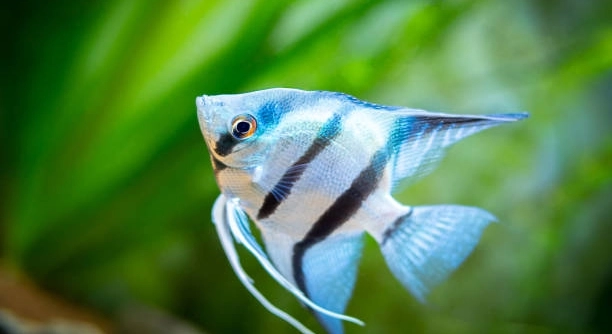
Is your angelfish spending more time on its side than swimming upright in its tank? This behavior can seem alarming and unusual. Understanding the cause is important for your angelfish’s well-being and long-term health.
Angelfish may flip on their side due to swim bladder disorders, poor water quality, stress, infections, constipation, or injury. Identifying the specific cause is crucial for providing the correct treatment and preventing further issues.
Recognizing these causes will help you take the right steps to keep your angelfish safe, healthy, and swimming normally.
Swim Bladder Issues
Swim bladder problems are one of the most common reasons why angelfish lose their balance and start flipping on their side. The swim bladder is an internal organ that helps the fish control its buoyancy. When it becomes inflamed or damaged, the fish may struggle to stay upright. Causes include poor diet, sudden temperature changes, or physical trauma. Feeding dry foods that expand in the stomach or overfeeding can add extra pressure on the swim bladder. Treating this condition often involves fasting the fish for a day or two, then feeding a cooked, peeled pea to ease digestion and reduce bloating.
This condition is typically reversible if caught early. Consistent tank maintenance and a balanced diet go a long way in preventing swim bladder issues.
Keep a close eye on your angelfish’s swimming behavior. If they’re floating oddly or sinking frequently, it may be time to act and adjust their care.
Water Quality Problems
Water quality issues can quickly affect your angelfish’s health and behavior. Poor water conditions lead to stress, illness, and disorientation, causing the fish to flip on its side or behave erratically.
Ammonia, nitrite, and nitrate levels are the most critical factors to watch. Elevated ammonia or nitrite levels can harm a fish’s gills, reducing oxygen flow and making it hard to stay balanced. A sudden drop in temperature or pH imbalance can also create stress that leads to unusual behavior. Always test your water regularly using a reliable test kit. Partial water changes every week, a well-maintained filter, and avoiding overfeeding are essential. If your fish starts flipping, test the water immediately and perform a partial water change if levels are off. Stability is key—keeping the water parameters steady reduces stress and helps prevent side-flipping. Clean water not only supports your angelfish’s health but also keeps them active and upright.
Stress from Tank Mates
Angelfish can become stressed if housed with aggressive or overly active tank mates. Constant chasing, nipping, or territorial competition may cause erratic swimming or lead them to flip on their side due to exhaustion or fear.
Stress weakens a fish’s immune system, making them more prone to illness. If your angelfish seems skittish or hides often, observe how the other fish in the tank behave. Avoid keeping angelfish with fin-nippers or aggressive species like tiger barbs. Consider rearranging the tank to disrupt territorial behavior and provide more hiding spots. Separating aggressive fish or using a tank divider may help your angelfish feel secure again and regain normal swimming patterns.
Behavioral changes can take time to reverse, even after the stressor is removed. Ensure the tank environment is peaceful and spacious. A calm setup encourages natural behavior and allows your angelfish to recover from stress without ongoing conflict or pressure.
Digestive Problems
Constipation and bloating can affect how your angelfish swims. Overfeeding or a poor diet lacking in fiber may lead to swim imbalance, including flipping or floating sideways.
Frozen or dry foods that expand in the stomach can block the digestive tract, putting pressure on the swim bladder. If your angelfish flips or floats oddly after feeding, this might be the cause. Try fasting your fish for 24–48 hours, then feed a small amount of cooked, peeled pea to help clear the blockage. Avoid overfeeding and stick to a regular schedule with varied, high-quality food.
Preventing digestive problems means choosing a balanced diet that includes some plant matter. Avoid feeding only high-protein or dry flakes. A mix of flakes, pellets, frozen foods, and occasional vegetables helps digestion. Feeding in small amounts once or twice a day and removing uneaten food after a few minutes can also keep the tank cleaner and your angelfish healthier.
Internal Parasites
Internal parasites can affect your angelfish’s ability to swim properly. Infected fish may lose weight, become less active, or flip on their side. Parasites disrupt internal organs, including the swim bladder, leading to balance issues and weakness.
Treating parasites usually requires medicated food or water treatments. Isolate the sick fish if possible and monitor closely. Maintain clean water and avoid introducing new fish without quarantining them first. Parasites spread quickly in tanks, so early action is important.
Physical Injury
Physical injuries from sharp decorations or aggressive tank mates can affect your angelfish’s balance. A damaged fin or body strain may lead to abnormal swimming.
Sudden Temperature Drops
Rapid changes in water temperature can shock your angelfish’s system. A drop of even a few degrees may lead to stress, imbalance, and flipping. Always acclimate fish slowly to new water and use a reliable heater to keep temperatures steady.
FAQ
Why is my angelfish flipping on its side?
Angelfish may flip on their side due to several factors, including swim bladder problems, stress, poor water quality, or digestive issues. The swim bladder helps maintain buoyancy, and if it malfunctions, the fish may struggle to stay upright. Other causes can include parasites, injury, or sudden changes in temperature. Monitoring their behavior, testing water parameters, and observing tank conditions will help determine the cause.
How can I fix my angelfish’s swim bladder issue?
If your angelfish is experiencing swim bladder issues, the first step is to stop feeding for 24-48 hours. This will give the fish time to clear any digestive blockages. After the fasting period, you can feed a cooked, peeled pea, which can help relieve constipation and pressure on the swim bladder. For more severe cases, medication may be required, but it’s always best to consult with a vet or experienced aquarist to ensure proper treatment.
Can stress cause my angelfish to flip on its side?
Yes, stress can cause angelfish to swim erratically, including flipping on their side. Stress can stem from poor tank conditions, aggressive tank mates, or overcrowding. If your fish are constantly being chased, bullied, or disturbed, it can lead to physical symptoms like side-flipping. Creating a peaceful environment and ensuring the tank has plenty of hiding spots can help reduce stress.
What is the best way to improve my angelfish’s water quality?
Maintaining proper water quality is essential for your angelfish’s health. Regularly test for ammonia, nitrite, and nitrate levels, and ensure they stay within safe limits. Ammonia should be at 0 ppm, nitrites should also be 0 ppm, and nitrates should remain under 20 ppm. Perform regular water changes, ideally 25-30% every week, and use a good filtration system to keep the water clean.
Can overfeeding cause my angelfish to flip over?
Overfeeding can lead to digestive issues like constipation or bloating, which can cause your angelfish to flip on its side. Feeding too much food creates extra pressure on the swim bladder, making it difficult for the fish to maintain balance. To avoid overfeeding, provide small portions of food that your angelfish can consume in a few minutes. Remove any uneaten food to prevent it from decomposing in the tank.
How do I prevent my angelfish from getting sick?
To keep your angelfish healthy, ensure they are housed in a stable environment. Regularly check water quality, keep the tank clean, and provide a balanced diet. Avoid sudden changes in water parameters, such as temperature or pH, as these can stress the fish and make them more susceptible to illness. Additionally, quarantine new fish before introducing them to the tank to prevent the spread of diseases.
Can I fix my angelfish’s flipped behavior with medicine?
If your angelfish’s flipped behavior is due to a disease or infection, some medications may help. For swim bladder disorders, medications designed for bacterial infections or parasites might be necessary, depending on the diagnosis. Always follow the manufacturer’s instructions when using treatments, and consult an experienced aquarist or veterinarian to ensure the right course of action. However, non-medical interventions like water quality improvement and dietary changes are often effective in treating mild cases.
Is it normal for my angelfish to flip occasionally?
Occasional flipping, especially if brief, may not be a serious concern, as angelfish are known for being somewhat delicate. However, if flipping becomes frequent or the fish shows other signs of distress (e.g., lethargy, loss of appetite), it could be a sign of a deeper issue, such as an infection, injury, or poor water quality. Monitoring the fish’s behavior closely and addressing any changes in its environment will help maintain its well-being.
How can I tell if my angelfish is stressed?
Stressed angelfish may exhibit abnormal swimming patterns, such as erratic movement, floating on their side, or hiding more often. Other signs of stress include loss of appetite, fading colors, and aggression. Stress can be caused by poor water quality, incompatible tank mates, or sudden changes in the tank’s environment. Reducing stress involves creating a more stable, peaceful environment with plenty of hiding spots and by maintaining proper water conditions.
What temperature should my angelfish’s tank be?
Angelfish thrive in water temperatures between 76°F and 82°F (24°C to 28°C). Sudden changes in temperature can cause stress and lead to health issues, including abnormal swimming behavior. Make sure to use a reliable aquarium heater to maintain a stable temperature and avoid placing the tank near windows or vents where temperature fluctuations are more likely.
What should I do if my angelfish won’t eat?
If your angelfish refuses to eat, it may be a sign of stress, illness, or poor water quality. First, check the water parameters and ensure they are within safe limits. If the water quality is good, observe your fish for signs of injury, parasites, or swim bladder issues. Offering a variety of foods, including live or frozen options, can encourage eating. If the problem persists for more than a few days, consult an aquarium professional to rule out health issues.
Why is my angelfish swimming upside down?
Swimming upside down is often a sign of swim bladder disorder, but it can also be caused by stress, injury, or a bacterial infection. The swim bladder controls buoyancy, and if it is not functioning properly, your fish may lose control of its swimming orientation. Treatment may involve fasting the fish, adjusting its diet, or using medications for bacterial or parasitic infections.
Can my angelfish recover from swim bladder problems?
Yes, angelfish can recover from swim bladder issues if caught early and treated properly. Adjustments in diet, water quality, and stress levels can help improve the condition. In more severe cases, medications may be necessary. Consistently monitoring the fish’s health and tank conditions will provide the best chance for a full recovery.
Is it safe to add salt to the tank for swim bladder issues?
Adding aquarium salt to the tank can sometimes help with certain fish diseases, but it should not be used as a first-line treatment for swim bladder issues. Salt may be useful for minor external injuries or infections, but it doesn’t directly address swim bladder problems. If you decide to use salt, do so carefully and according to the product instructions, as not all fish species tolerate it well.
Final Thoughts
Angelfish flipping on their side is a behavior that can be distressing for any aquarium owner. It’s important to understand that this issue can stem from various causes, including swim bladder problems, stress, water quality issues, or even injuries. Each situation is different, and identifying the root cause can take time and careful observation. The key to addressing the problem is a combination of maintaining a healthy environment, regular water testing, and providing the fish with a balanced diet. By doing so, you can help your angelfish recover and prevent future occurrences.
In some cases, the flipping behavior may be a simple, temporary issue, such as constipation or a minor injury. However, more serious problems like infections or parasites may require medical intervention. Always start with the basics, such as checking water conditions and reducing stress. If the problem persists, consider isolating the affected fish to prevent any potential spread of illness, especially in a community tank. When in doubt, consult a professional or experienced aquarist who can provide tailored advice based on your specific situation.
It’s important to remember that while these issues may be concerning, they can often be managed with the right approach. Keeping your tank clean, maintaining stable water conditions, and offering a proper diet can go a long way in keeping your angelfish healthy. Consistent monitoring of their behavior and environment will help you catch any potential problems early. With patience and proper care, your angelfish can regain its balance and thrive in a peaceful, well-maintained tank.

Hello,
If you enjoy the content that we create, please consider saying a "Thank You!" by leaving a tip.
Every little bit helps us continue crafting quality advice that supports the health, happiness, and well-being of pets around the world, for pets of all shapes, sizes, and species.
We really appreciate the kindness and support that you show us!