
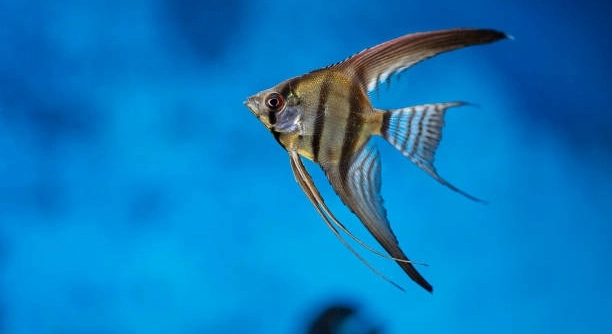
Angelfish are beautiful, calming creatures to have in your aquarium. However, when they start breathing heavily, it’s important to take notice. Heavy breathing can indicate a problem that needs immediate attention to ensure your angelfish stays healthy.
Heavy breathing in angelfish is usually caused by poor water quality, low oxygen levels, or stress. Issues like high temperatures, ammonia buildup, or overcrowding can lead to difficulty breathing. Proper maintenance of the tank is key to their well-being.
There are several common factors that can be checked to help your angelfish recover. Understanding these issues will allow you to take the necessary steps for a healthier aquarium environment.
Poor Water Quality
When the water in your tank isn’t clean, your angelfish can struggle to breathe properly. Ammonia, nitrites, and nitrates build up in the water when the filtration system isn’t working effectively or when water changes aren’t done regularly. These harmful substances can irritate your angelfish’s gills, making it harder for them to breathe.
Fish need clean water to survive and thrive. If your tank has poor water quality, it may cause stress and discomfort for your fish. Ensuring that your filtration system is functioning correctly and performing regular water changes is essential. Test the water regularly to check for toxic levels of ammonia or nitrates.
To keep your angelfish healthy, it’s crucial to provide the right water conditions. Use a reliable water filter and perform partial water changes every week. This helps prevent the buildup of waste and keeps the water clear and oxygen-rich. The cleaner the water, the easier it will be for your angelfish to breathe and stay comfortable in their environment.
Low Oxygen Levels
If oxygen levels in the tank are too low, your angelfish may breathe heavily. This often happens in tanks that are overcrowded or have poor water circulation. Proper aeration is important to ensure your fish can access enough oxygen to stay healthy.
Angelfish need oxygen to live, just like humans. If there isn’t enough oxygen in the water, your fish will struggle to breathe properly, causing them to swim near the surface or gulp air. To solve this, make sure your aquarium has proper aeration through air pumps or surface agitation.
Increasing water movement can significantly improve oxygen levels. You can add an air stone or adjust your filter to create better circulation. It’s also important not to overcrowd the tank, as this reduces oxygen availability. Regularly check the water temperature as warmer water holds less oxygen, and ensure the tank isn’t too crowded. Both factors play a key role in maintaining healthy oxygen levels in your tank.
High Water Temperature
When the water temperature is too high, it reduces the amount of dissolved oxygen in the tank. This makes it harder for your angelfish to get enough oxygen, leading to heavy breathing. Angelfish prefer water temperatures between 76°F and 82°F. Anything higher can put stress on them.
High temperatures also speed up the metabolism of your fish, which increases their oxygen demand. As a result, they may start gulping for air at the surface, signaling a lack of sufficient oxygen in the water. If you notice your fish acting this way, it’s time to adjust the temperature.
To prevent overheating, use a reliable aquarium heater with a thermostat. Make sure to keep the tank away from direct sunlight or heat sources. If the temperature is too high, perform a water change with cooler water, and consider adding a fan to the aquarium to improve airflow and lower the temperature.
Stress
Stress is another common reason for heavy breathing in angelfish. When fish are stressed, they can experience rapid gill movement as a response to the discomfort. Stress can come from various sources such as aggressive tankmates, sudden changes in the environment, or even overcrowding.
If your angelfish is stressed, you may notice erratic swimming patterns or signs of hiding. They can also breathe faster or appear more restless. It’s essential to figure out what’s causing the stress to help your fish recover. For example, aggressive fish can be removed, or the tank can be rearranged to reduce tension.
A peaceful tank environment helps reduce stress in your angelfish. Keep the tank clean and avoid overfeeding. Additionally, ensure that your fish have plenty of hiding spots, which can help them feel safe. Reducing stress allows your angelfish to thrive and maintain steady breathing patterns.
Overcrowding
Overcrowding can quickly lead to heavy breathing in your angelfish. When too many fish are in the tank, oxygen levels drop, and the fish may become stressed from lack of space. This can cause your angelfish to breathe more heavily.
To prevent overcrowding, ensure that your aquarium is properly sized for the number of fish you have. A general rule is one inch of fish per gallon of water. If you have too many fish, consider rehoming some or upgrading to a larger tank.
Inadequate Filtration
An inadequate filter can lead to poor water conditions, which in turn can cause your angelfish to breathe heavily. If the filter isn’t strong enough for the size of the tank, waste can accumulate quickly, leading to a buildup of harmful toxins like ammonia.
Make sure your filtration system is properly sized and maintained. Check it regularly to ensure it’s running efficiently, and clean the filter media as needed. A good filter helps keep the water clear, preventing stress and health problems in your angelfish. Consider using additional filtration if your tank is heavily stocked.
Illness or Parasites
In some cases, heavy breathing can be a sign of illness or parasites affecting your angelfish. If your fish are infected, they may struggle to breathe properly due to damage to their gills. Look for other signs like faded colors or unusual behavior.
To address illness, isolate the infected fish in a separate quarantine tank. You may need to treat them with medication to clear up any parasites or infections. Keeping the main tank clean and stress-free can also help prevent illness from spreading to other fish.
FAQ
Why is my angelfish breathing heavily at the surface?
When your angelfish is breathing heavily at the surface, it could be due to low oxygen levels in the tank. This often happens when the tank is overcrowded, the water is warm, or the filtration system is not working properly. The angelfish may swim to the surface because it’s trying to access more oxygen. To address this, ensure the tank has proper aeration with air stones or additional filters. You can also lower the water temperature slightly to improve oxygen levels. Avoid overcrowding the tank, as this can worsen the problem.
What temperature is best for angelfish?
Angelfish prefer water temperatures between 76°F and 82°F (24°C to 28°C). If the water temperature is too high, it can reduce the oxygen content in the tank, leading to heavy breathing. If the water is too cold, it can stress the fish and cause sluggishness or other health issues. You should regularly check the temperature using an aquarium thermometer and adjust it as needed. Use a reliable heater to maintain a consistent temperature. Sudden changes in water temperature can also stress your angelfish, so avoid fluctuations.
How often should I change the water in my angelfish tank?
Water changes are crucial for maintaining a healthy environment for your angelfish. It’s recommended to change 25-30% of the water in your tank every 1-2 weeks. This helps remove toxins like ammonia and nitrates that build up from fish waste. Regular water changes also prevent the growth of harmful bacteria and algae. If your tank is heavily stocked, you may need to change the water more often. Always use a water conditioner to remove chlorine or chloramine, which can harm your fish.
Can stress cause angelfish to breathe heavily?
Yes, stress can definitely cause heavy breathing in angelfish. Stress factors such as aggressive tankmates, sudden changes in water conditions, loud noises, or even overcrowding can lead to increased breathing rates. A stressed angelfish may display other signs such as hiding, erratic swimming, or faded colors. To reduce stress, ensure your tank is peaceful and that the environment is stable. Avoid making sudden changes in the tank, and make sure your fish have enough space and hiding spots to feel secure. Keep the water quality optimal and monitor for any signs of aggression among tankmates.
What can I do if my angelfish is showing signs of illness?
If your angelfish is breathing heavily and showing signs of illness, such as faded colors, lethargy, or abnormal swimming, it’s important to isolate the fish and observe closely. The cause could be an infection, parasites, or poor water quality. First, check the water parameters (ammonia, nitrites, nitrates, pH, and temperature) to ensure they are within the correct range. If everything seems fine with the water, treat the fish for potential parasites or bacterial infections. Use aquarium-safe medications and avoid adding them to the main tank unless necessary. Make sure the fish is comfortable in a quarantine tank until it recovers.
How do I know if my angelfish is getting enough oxygen?
You can tell if your angelfish is getting enough oxygen if it breathes calmly and doesn’t seem to gasp at the surface frequently. If your angelfish spends a lot of time near the surface, especially gulping air, it’s a sign that oxygen levels might be too low. To help, make sure the tank has good water movement or aeration. Use an air pump or increase the surface agitation to allow more oxygen exchange. Avoid overcrowding the tank, and make sure the filtration system is functioning well to keep the water clean and oxygenated.
Can overfeeding cause heavy breathing in angelfish?
Yes, overfeeding can lead to water quality problems that affect your angelfish’s health, including heavy breathing. Excess food decays in the tank, creating a buildup of waste, which results in high ammonia and nitrate levels. These toxins can irritate the gills and make it difficult for your fish to breathe properly. It’s important to only feed your angelfish what they can eat in a few minutes and remove any uneaten food promptly. Regular water changes can help keep the tank clean, but the best solution is to avoid overfeeding in the first place.
What signs indicate my angelfish is stressed?
Angelfish that are stressed may show several signs, such as rapid gill movement, excessive swimming near the surface, hiding more than usual, or showing faded colors. They may also become more aggressive or overly shy. If you notice these behaviors, try to identify the cause of the stress. It could be from poor water conditions, aggressive tankmates, or changes in the environment. Ensuring a peaceful tank with good water quality and hiding spots can help reduce stress and promote a healthier environment for your fish.
Should I adjust the filter for my angelfish tank?
Yes, adjusting the filter can help maintain proper water quality and oxygen levels in your angelfish tank. If the filter is too weak, the water will not be properly circulated, and waste will accumulate, leading to poor water conditions. On the other hand, a filter that is too strong might stress your angelfish, as they prefer gentle water movement. Choose a filter with the appropriate flow rate for the size of your tank and angelfish. Adjust the flow to ensure it isn’t too strong for the fish, while still providing adequate filtration.
Why is my angelfish not eating and breathing heavily?
If your angelfish is not eating and is breathing heavily, it could be a sign of illness, poor water quality, or stress. Infections, parasites, or toxins in the water can affect your fish’s appetite and breathing. First, check the water parameters and ensure they are within the correct range. If the water quality is fine, observe the fish closely for any signs of disease. Consider isolating the fish in a quarantine tank and treating it with appropriate medications. If it continues to refuse food, the cause might be more serious, requiring veterinary attention.
Final Thoughts
Heavy breathing in angelfish is a sign that something in their environment isn’t right. It’s essential to understand the possible causes, such as poor water quality, low oxygen levels, high temperatures, or stress. These factors can affect your angelfish’s ability to breathe comfortably and lead to more serious health problems if not addressed. Keeping your tank clean, maintaining good water quality, and making sure your fish aren’t stressed are all key to preventing this issue. Regular water changes, proper aeration, and a good filtration system go a long way in maintaining a healthy tank for your angelfish.
It’s also important to check for signs of illness or parasites if your fish is breathing heavily. Infections can cause discomfort and affect breathing, so isolating the affected fish is crucial to prevent it from spreading to others. When dealing with stress, it’s vital to identify the source, whether it’s aggressive tankmates, overcrowding, or sudden changes in the environment. Making sure your fish feel safe and secure can help reduce stress and improve their overall health. Additionally, temperature regulation plays a significant role in keeping your angelfish comfortable. Keeping the water within the optimal temperature range helps avoid oxygen loss and keeps your fish in a more natural state.
In the end, the health of your angelfish depends on maintaining a balanced and stable aquarium. Regularly check water conditions, provide proper filtration, and ensure that your fish have enough space to thrive. With a little effort, you can address the reasons behind heavy breathing and create an environment where your angelfish can live happily and healthily. If you’re unsure about what might be affecting your fish, don’t hesitate to reach out to an expert or consult with a veterinarian to ensure the best care for your aquatic pets.

Hello,
If you enjoy the content that we create, please consider saying a "Thank You!" by leaving a tip.
Every little bit helps us continue crafting quality advice that supports the health, happiness, and well-being of pets around the world, for pets of all shapes, sizes, and species.
We really appreciate the kindness and support that you show us!