
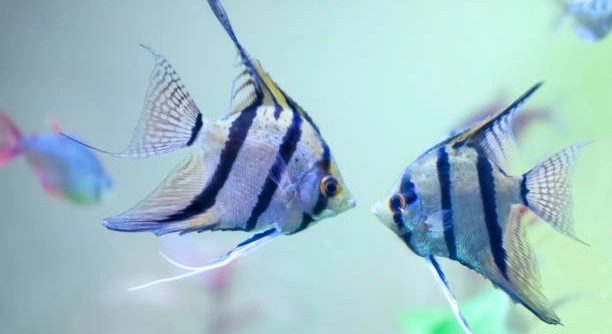
Angelfish are known for their vibrant colors, often drawing attention in aquariums. If your angelfish is suddenly flashing its colors, understanding why can help maintain its health and well-being. This behavior can indicate several underlying factors.
Angelfish flashing their colors may be caused by a variety of factors, including stress, mating behavior, territory defense, or health issues. Environmental changes, water quality, or even lighting can also trigger this reaction, signaling potential concerns that need attention.
The reasons behind this behavior can vary. Identifying the root cause early can improve your fish’s environment and overall condition.
Stress and Environmental Factors
Stress is one of the most common reasons why angelfish flash their colors. Changes in their environment, such as fluctuating water temperature, poor water quality, or overcrowding, can all contribute to this behavior. Angelfish are sensitive creatures, and when they feel threatened or uncomfortable, they may display their colors as a way of signaling distress.
The water in your aquarium should be kept within a specific temperature range, generally between 76-82°F. Make sure to monitor the water parameters regularly, ensuring proper filtration and water changes. Stress can also arise from the presence of other aggressive fish in the tank.
When it comes to angelfish, providing a stable and clean environment is key. This will help reduce stress levels, keeping your fish healthy and active. Regular water testing and ensuring compatibility with tank mates will go a long way in promoting a peaceful atmosphere for your fish.
Mating Behavior
Mating is another reason angelfish may flash their colors. During the breeding process, male angelfish often become more vibrant in color to attract potential mates. This color change serves as a visual cue, indicating their readiness for mating.
If you notice that the flashing coincides with certain times of the day or changes in behavior, it’s likely that your angelfish are engaging in breeding rituals. These displays can be subtle but are important for successful reproduction.
Mating behaviors are usually accompanied by other signs, such as territorial behavior. Male angelfish may become more protective of their space during breeding. These actions are natural and can be observed in many fish species. By keeping an eye on these patterns, you’ll better understand the dynamics of your tank.
Territorial Behavior
Territorial behavior can also lead to flashing of colors. Angelfish are known to be quite protective of their territory, especially when they feel that their space is being invaded. This could involve other fish, objects in the tank, or even changes in the environment that disrupt their habitat.
When angelfish feel their territory is threatened, they may become more aggressive. The flashing of colors is their way of signaling dominance or warning others to stay away. It’s important to monitor interactions between your angelfish and other fish to ensure peaceful coexistence. Providing enough space in the tank and hiding spots can help reduce territorial disputes.
By understanding these behaviors, you can create a better environment for all of your fish. This ensures not only the safety of your angelfish but also the overall health of your aquarium.
Health Issues
Health problems are another potential cause of flashing colors in angelfish. If your angelfish is unwell, it may exhibit changes in color as part of a stress response. Common health issues such as parasites, infections, or injuries can cause physical stress, leading to a noticeable change in their appearance.
If you notice your angelfish’s colors becoming more vivid, accompanied by erratic swimming patterns or a lack of appetite, it may be a sign of illness. In these cases, it’s important to address the issue quickly. Keeping a clean tank and ensuring that your fish are fed properly can help prevent many common diseases.
If symptoms persist, it may be necessary to consult an aquatic veterinarian. Catching health issues early can prevent more serious problems from developing. This also helps ensure your angelfish live a long and healthy life.
Poor Water Quality
Water quality is one of the most critical factors influencing angelfish behavior. If the water in your aquarium is polluted or imbalanced, it can lead to stress, causing your fish to flash their colors. Poor filtration, irregular water changes, or high levels of ammonia and nitrites can all contribute to this issue.
Regular water changes and maintaining proper filtration can help keep the water in optimal condition. Make sure to test the water parameters frequently, adjusting the pH, hardness, and temperature to suit your angelfish’s needs. If the water is too dirty or polluted, it may lead to more serious health concerns for your fish.
The appearance of flashing colors can be a sign that your angelfish are struggling to cope with their environment. If left unchecked, poor water quality can lead to disease and even death. Ensuring good water quality is essential for the well-being of all fish in the aquarium.
Lighting and Brightness
Changes in lighting or brightness can trigger flashing of colors in angelfish. These fish often become more vibrant in response to bright light, either to communicate with tank mates or to show dominance. Light can also affect their internal rhythms, influencing how they behave in their environment.
Consider the placement and intensity of lights in your aquarium. Using a light cycle that mimics the natural day-night pattern can help regulate your fish’s behavior. Angelfish tend to thrive when exposed to gradual changes in lighting, allowing them to adjust without stress.
Harsh, abrupt lighting changes can cause confusion or stress, leading to erratic behaviors like flashing. Keeping the aquarium’s light source consistent, especially during the night, can help your fish feel more comfortable. Providing a balanced light environment will support their health and reduce unwanted behavior.
Incompatible Tank Mates
Aggressive or territorial fish can cause stress for your angelfish, leading them to flash their colors. This is often a defensive response to protect their space. Angelfish are peaceful creatures but can react to the presence of more dominant or territorial fish in the tank.
It’s important to choose tank mates carefully. Ensure that other fish are compatible in terms of temperament, size, and environmental needs. Avoid adding overly aggressive species that might stress or harm your angelfish. Monitoring the interactions between fish can help you spot potential issues early on.
Temperature Fluctuations
Fluctuations in water temperature can also cause your angelfish to display their colors. These changes can result from faulty equipment or inconsistent tank conditions. Angelfish are sensitive to temperature shifts and may react by flashing colors to signal stress.
Maintaining a stable temperature within the recommended range, 76-82°F, is crucial for their well-being. Frequent temperature changes can lead to stress, making your fish more vulnerable to illness. A reliable heater and thermometer will help ensure that the water remains consistent, supporting the overall health of your angelfish.
FAQ
Why does my angelfish flash its colors?
Angelfish may flash their colors for several reasons, including stress, mating behavior, territorial disputes, or health issues. They use this behavior to communicate with other fish or to assert dominance. It can also be a response to poor water quality or changes in their environment. Understanding the underlying cause is essential to addressing the problem and ensuring the well-being of your fish.
Is flashing a sign of aggression?
Yes, flashing can be a sign of aggression. When an angelfish feels threatened or is trying to protect its territory, it may display its colors more vividly as a warning to other fish. This behavior is commonly seen when fish are competing for space or mates. It’s important to observe the interactions between your fish to determine whether they are engaging in territorial disputes.
Can flashing colors indicate illness?
Flashing colors can sometimes indicate illness. If the fish is not only flashing but also showing other signs such as lethargy, loss of appetite, or abnormal swimming patterns, it may be unwell. Common illnesses like parasites or infections can cause stress, leading to color changes. If you suspect a health issue, isolating the sick fish and consulting an expert is recommended.
How do I know if my angelfish is stressed?
Stress in angelfish can be identified by various behaviors, including flashing their colors, hiding, erratic swimming, or clashing with other fish. Poor water quality, temperature fluctuations, or overcrowding can all contribute to stress. Watching for signs like these can help you address the root cause and improve the fish’s environment.
Can lighting affect my angelfish’s colors?
Yes, lighting can influence how your angelfish displays its colors. Angelfish tend to show brighter and more vivid colors under strong lighting. If the light is too harsh or inconsistent, it could cause stress, leading to flashing or other unusual behavior. Using a consistent light cycle that mimics natural daylight can help prevent unnecessary stress.
What can I do to reduce flashing behavior?
To reduce flashing behavior, focus on creating a stable and calm environment for your angelfish. Regular water changes, maintaining proper water temperature, and ensuring the tank is not overcrowded can significantly reduce stress. Additionally, make sure all tank mates are compatible and avoid aggressive species that could trigger territorial behavior.
Is flashing a sign that my angelfish is mating?
Flashing can also be related to mating behavior. Male angelfish often become more colorful when trying to attract a mate. If your fish are pairing up, this flashing may be part of their courtship ritual. This behavior is usually temporary and should not cause concern unless accompanied by aggression or other unusual signs.
What is the ideal water temperature for angelfish?
The ideal water temperature for angelfish is between 76-82°F. Temperature fluctuations outside this range can lead to stress, causing your fish to flash its colors or become lethargic. Keeping the water temperature stable is crucial for maintaining the health and comfort of your angelfish.
Can I keep angelfish with other fish?
Yes, you can keep angelfish with other fish, but it’s important to choose tank mates that are peaceful and compatible in terms of size and temperament. Angelfish are generally peaceful but may display aggression toward smaller or more passive fish. Ensure your tank provides enough space for all fish to coexist peacefully.
How often should I change the water in my angelfish tank?
It’s recommended to change 20-25% of the water in your angelfish tank every 1-2 weeks. This helps maintain good water quality and prevents the buildup of harmful chemicals such as ammonia or nitrites. Regular water changes are essential for keeping your angelfish healthy and reducing stress caused by poor water conditions.
What size tank do angelfish need?
Angelfish need a tank that is at least 20 gallons, with larger tanks being better for multiple fish or if they are kept with other species. Angelfish can grow quite large, and they need space to swim and establish territories. A larger tank helps reduce stress and aggression by providing more room for each fish.
Why is my angelfish acting aggressively toward its tank mates?
Aggression in angelfish can be caused by several factors, such as territorial disputes, competition for food, or stress. Angelfish are known to be territorial, especially during breeding. If your fish are acting aggressively, it’s important to observe their behavior and possibly rearrange the tank or separate them if necessary.
Can I use aquarium salt with angelfish?
Aquarium salt can be used with angelfish, but it should be done sparingly. It is generally used to treat certain health conditions, like parasites or stress-related issues. Always research proper salt dosage and use it in moderation. Too much salt can harm your fish, especially if they are not ill.
How do I prevent angelfish from becoming stressed?
To prevent stress, ensure your angelfish have a stable and clean environment. Maintain the correct water temperature, keep the water quality high, and avoid overcrowding the tank. Ensure compatible tank mates and avoid sudden changes in lighting or water conditions. Regular monitoring will help keep your angelfish happy and healthy.
Are there any signs that my angelfish might be unhappy?
Signs of an unhappy angelfish include flashing colors, erratic swimming, hiding, or refusal to eat. If your angelfish is showing these signs, it’s important to check the water quality, tank environment, and the compatibility of other fish. Addressing the issue promptly will help restore the health and comfort of your fish.
Can angelfish live alone or do they need other fish?
Angelfish can live alone, but they are social creatures and may benefit from the company of other peaceful fish. If you choose to keep only one angelfish, ensure that it has enough space and environmental enrichment. Keep in mind that angelfish can become territorial, especially when they feel threatened or are breeding.
Why is my angelfish flashing but not eating?
Flashing while not eating could be a sign of stress or illness. If your angelfish is exhibiting flashing behavior and refusing to eat, it might be responding to environmental stressors, such as poor water quality, aggressive tank mates, or illness. Monitor the tank conditions closely and consider isolating the fish if the problem persists.
What is the best way to clean an angelfish tank?
The best way to clean an angelfish tank is to remove debris and waste using a siphon, perform regular water changes, and clean the tank decorations. Make sure to clean the filter regularly and test the water parameters. Avoid over-cleaning, as it can disrupt the tank’s balance. Regular maintenance helps keep your fish healthy and the environment stable.
Final Thoughts
Understanding why your angelfish flashes its colors is essential to maintaining a healthy and stress-free environment for your fish. Flashing can be a sign of aggression, stress, or mating behavior, but it can also indicate health issues or environmental factors like poor water quality or temperature fluctuations. Observing your fish closely and identifying the specific cause of the behavior is the first step in resolving any problems. Regularly checking the tank conditions, ensuring compatible tank mates, and maintaining a stable environment will go a long way in keeping your angelfish healthy and content.
In some cases, flashing can be a natural part of your angelfish’s behavior, especially if they are trying to attract a mate or defend their territory. However, if the flashing becomes excessive or is accompanied by signs of illness, further action may be necessary. Keep a watchful eye on other behaviors like loss of appetite, lethargy, or erratic swimming, as these can indicate stress or illness. It’s important to address any signs of trouble early on to prevent more serious health issues from developing.
By ensuring the right water conditions, temperature, and tank mates, you can minimize the chances of your angelfish flashing its colors due to stress or aggression. Providing an enriching environment with adequate space and hiding spots will allow your angelfish to feel secure and reduce unnecessary stress. In the end, a calm and balanced aquarium is key to a healthy and happy angelfish. If issues persist, seeking advice from an aquarium expert or a veterinarian can help address any underlying problems and ensure your fish thrives.

Hello,
If you enjoy the content that we create, please consider saying a "Thank You!" by leaving a tip.
Every little bit helps us continue crafting quality advice that supports the health, happiness, and well-being of pets around the world, for pets of all shapes, sizes, and species.
We really appreciate the kindness and support that you show us!