
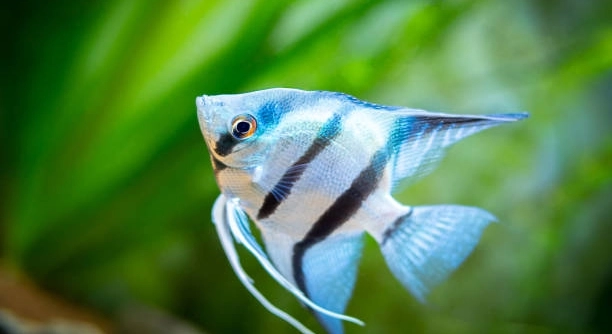
Angelfish are a beautiful and peaceful addition to any community tank. However, keeping them happy requires attention to their needs and a well-maintained environment. This article will provide tips for ensuring your angelfish thrive in a shared aquarium.
To keep angelfish happy in a community tank, focus on water quality, suitable tankmates, proper feeding, and a well-maintained environment. Maintaining stable water conditions, avoiding aggressive species, and offering a balanced diet will support their overall health and well-being.
Understanding these key points can improve the living conditions for your angelfish and create a peaceful, thriving tank. By following these tips, you can enhance their happiness and longevity.
1. Choosing the Right Tankmates for Your Angelfish
Angelfish are peaceful by nature but can become stressed or even aggressive if placed with the wrong tankmates. Choosing compatible species is crucial to ensuring a harmonious environment. Smaller, less aggressive fish such as tetras, guppies, and rasboras make ideal companions. Fish that are too large or territorial might bully your angelfish, leading to stress. Avoid placing them with fin-nippers like barbs or aggressive species like cichlids. In addition, ensure that the fish can coexist in similar water conditions, as different species have different temperature and pH preferences.
When selecting tankmates, think about the behavior, size, and care needs of the other species. A peaceful tank will allow your angelfish to feel secure and thrive.
Maintaining harmony is not just about the fish; it’s also about the space in the tank. Ensure there’s plenty of room for everyone to swim without overcrowding. Angelfish need their space to feel comfortable, so the tank should be large enough to accommodate all species peacefully.
2. Providing the Right Water Conditions
Water quality plays a significant role in the happiness and health of your angelfish. They prefer a stable environment with a temperature range of 76-82°F and a slightly acidic to neutral pH (6.5-7.5). Frequent water changes are essential to remove waste and maintain water quality. Regular testing of ammonia, nitrate, and nitrite levels is important to prevent harmful spikes.
If your tank’s water parameters fluctuate too much, your angelfish may become stressed and more susceptible to illness. It’s best to maintain a consistent routine of water changes to avoid these issues.
Additionally, investing in a good filtration system will help keep the water clean and free of toxins. A reliable filter not only helps with debris removal but also ensures your tank’s water stays within the optimal range for your fish. A well-filtered tank is essential for long-term success in maintaining angelfish.
3. Feeding Angelfish the Right Diet
Angelfish are omnivores, so they require a varied diet to stay healthy. Offering a mix of high-quality flake foods, pellets, and occasional live or frozen foods like brine shrimp or bloodworms is ideal. Overfeeding can lead to poor water quality, so be sure to remove any uneaten food after feeding.
It’s important to provide a balanced diet to meet their nutritional needs. Angelfish can become picky eaters if their diet isn’t varied enough, so include vegetables like blanched zucchini or spinach occasionally. Proper feeding habits will keep your angelfish strong and vibrant.
Feeding your angelfish at the same time every day helps create a routine. This not only helps you monitor how much they eat but also ensures consistency in their diet. Pay attention to their feeding habits, as overfeeding can cause health problems and stress.
4. Maintaining Tank Cleanliness
Keeping the tank clean is essential for angelfish health. Regular water changes and proper filtration are key. You should clean the substrate, decorations, and any tank equipment periodically. This prevents debris buildup and maintains good water quality.
To maintain a clean environment, remove any dead plant matter or uneaten food promptly. Cleaning the tank weekly will help reduce waste, algae buildup, and potential harmful bacteria. Regular checks for filter maintenance ensure that your system runs smoothly and helps avoid water contamination.
A good routine is the key to keeping your angelfish happy. Avoid letting debris accumulate for too long, as this can cause water quality to drop quickly. A clean tank promotes a healthy environment where your angelfish can thrive and feel at ease.
5. Creating Hiding Spots for Angelfish
Angelfish appreciate having places to hide and rest, especially if they feel stressed. Provide plenty of plants, rocks, and decorations to create natural hiding spots. These areas help angelfish feel secure and reduce stress.
Adding plants, like Java fern or Anubias, gives angelfish space to retreat without blocking swimming areas. Driftwood or caves can also provide hiding places. Be sure to leave room for swimming and avoid overcrowding the tank.
A peaceful tank environment encourages angelfish to explore and socialize while having their own private space when needed. Offering both hiding spots and open areas promotes their well-being.
6. Temperature Stability
Angelfish thrive in a stable environment, with temperatures between 76-82°F. Sudden temperature fluctuations can stress them and lead to illness. Using a reliable aquarium heater is essential for maintaining consistent warmth.
Check the water temperature regularly using a thermometer. Avoid placing the tank in areas with direct sunlight or drafty spots, as these can cause temperature shifts. Keeping a steady temperature will make your angelfish feel more comfortable and less stressed.
Angelfish are sensitive to temperature changes. Sudden shifts can affect their immune system, making them more susceptible to diseases. Therefore, maintaining a constant temperature range is key to keeping them healthy and happy.
FAQ
How often should I change the water in my angelfish tank?
Water changes are crucial for maintaining good water quality. It’s recommended to change 25-30% of the water every two weeks. However, if your tank has a higher fish load or if you’re not using a high-quality filter, you may need to change the water more often. Regular water testing will help determine when a change is necessary. Always make sure to treat tap water with a water conditioner before adding it to the tank.
What size tank is best for angelfish?
Angelfish need space to swim comfortably. A 20-gallon tank is the minimum size for a single angelfish, but a 30-gallon tank or larger is recommended, especially if you plan to keep more than one. A larger tank provides more room for swimming and helps maintain water quality, reducing stress on your fish.
Can angelfish live with goldfish?
While angelfish and goldfish may seem compatible, they are not the best tankmates. Goldfish prefer colder water, while angelfish require warmer temperatures. Keeping them in the same tank can lead to stress for both species. Goldfish are also known to be messy eaters, which can cause water quality issues that affect angelfish. It’s better to keep them in separate tanks with the appropriate conditions for each.
What should I feed my angelfish?
Angelfish are omnivores and need a varied diet. A mix of high-quality flake food or pellets should form the base of their diet. You can also offer frozen or live foods like brine shrimp, bloodworms, or daphnia as treats. Occasionally, blanched vegetables like zucchini, spinach, or peas can be added to provide variety. Make sure to feed small amounts once or twice a day to avoid overfeeding.
Why is my angelfish hiding all the time?
If your angelfish is constantly hiding, it could be stressed or uncomfortable. This may be due to tank mates that are too aggressive, poor water quality, or a lack of hiding spots. Make sure the tank has enough plants and decorations to provide places to hide, and check the water parameters regularly. If the stress continues, observe the other fish to ensure there is no bullying or territorial behavior.
Do angelfish need a filter?
Yes, angelfish need a filter to help maintain clean water. A good filtration system helps remove waste and debris, keeping the water clear and healthy. However, ensure the filter’s current isn’t too strong, as angelfish don’t like fast-moving water. Choose a filter with adjustable flow or one designed for peaceful species.
Can I breed angelfish in a community tank?
Breeding angelfish in a community tank is possible, but it can be challenging. Other fish may disturb the breeding pair or eat the eggs. To successfully breed angelfish, you’ll need to provide a flat surface like a broad leaf or breeding cone for them to lay their eggs. If you want to protect the fry, consider setting up a separate breeding tank where the parents can care for the eggs without interference from other fish.
How can I tell if my angelfish is sick?
Signs of illness in angelfish include unusual swimming behavior, such as staying near the surface or bottom, loss of appetite, clamped fins, or changes in their appearance (like faded colors, swollen body, or lesions). If you notice any of these symptoms, check water parameters immediately and consult a veterinarian or fish expert to identify the illness. Early detection and treatment are key to saving a sick angelfish.
Why is my angelfish nipping at other fish?
Angelfish are typically peaceful but can become aggressive if they feel threatened, stressed, or crowded. Nipping at other fish is often a sign of territorial behavior or dominance. Make sure there is enough space for each fish and that tankmates are non-aggressive. If the behavior persists, it could be due to improper water conditions or a lack of hiding spots.
Can angelfish live with other species of cichlids?
Angelfish can live with other cichlids, but caution is needed. Many cichlids are territorial and may bully angelfish. Peaceful cichlids, such as discus or keyhole cichlids, can make good tankmates. However, larger or more aggressive cichlid species should be avoided. It’s essential to monitor interactions and be ready to separate them if necessary.
How long do angelfish live?
Angelfish typically live for 10 to 15 years, though some can live longer with proper care. Their lifespan depends on factors like water quality, diet, and tank conditions. Keeping a stable, clean environment and offering a balanced diet will help them live a longer, healthier life.
Can I keep angelfish with shrimp?
Angelfish may not be the best tankmates for shrimp. While small shrimp like cherry or ghost shrimp can be compatible with angelfish, the angelfish may see them as food, especially when they are small. To reduce the risk of predation, make sure the shrimp have plenty of hiding spaces and are not too small to be eaten.
Final Thoughts
Keeping angelfish in a community tank can be a rewarding experience when their needs are properly met. By ensuring that the water quality is maintained, the right tankmates are chosen, and the environment is stable, your angelfish will likely thrive. Providing plenty of space for swimming and hiding spots will also help reduce stress, making them feel more comfortable. A well-balanced diet will keep them healthy and vibrant, while regular water changes and filter maintenance will ensure that the tank remains clean and safe.
It’s also important to remember that each angelfish is unique, and their behavior may vary depending on factors like personality and environmental conditions. While most angelfish are peaceful, some may become territorial or exhibit aggressive behavior. Monitoring your fish and observing their interactions with other tankmates can help you address any issues early on. Keeping a stable and peaceful tank is the key to a happy and healthy angelfish.
In the end, angelfish can be a beautiful and low-maintenance addition to your aquarium when the right steps are taken. With proper care, these fish can live for many years and add color and elegance to your community tank. Whether you’re a beginner or an experienced aquarium owner, following these tips will help you create an ideal environment for your angelfish to flourish. By paying attention to their needs, your angelfish will not only survive but thrive, bringing joy to your aquarium for years to come.

Hello,
If you enjoy the content that we create, please consider saying a "Thank You!" by leaving a tip.
Every little bit helps us continue crafting quality advice that supports the health, happiness, and well-being of pets around the world, for pets of all shapes, sizes, and species.
We really appreciate the kindness and support that you show us!