
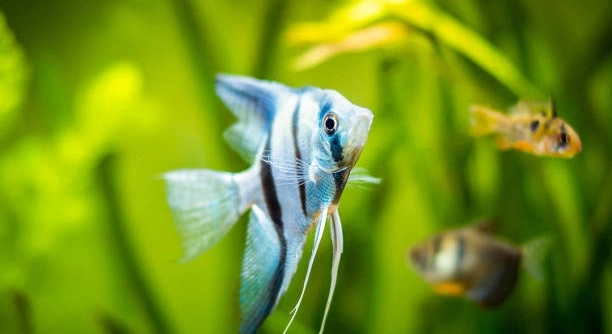
Angelfish are beautiful creatures that thrive in clean, well-circulated water. However, poor water circulation can lead to problems for both the fish and the tank environment. Knowing how to identify circulation issues is key to maintaining a healthy aquarium.
The most common signs of poor water circulation in an angelfish tank are stagnant areas, dirty water, and fish behavior such as unusual swimming patterns. These issues can negatively impact water quality and the overall health of the tank’s inhabitants.
By recognizing the signs of poor water circulation early, you can make adjustments that improve your angelfish’s environment. It’s important to maintain good water flow to keep both the tank’s ecosystem and your fish in top condition.
Stagnant Water Pockets and Their Impact
If the water in your angelfish tank isn’t circulating well, you might notice some stagnant areas where the water doesn’t move much. These pockets of still water create an environment where dirt and debris can accumulate. Angelfish may struggle in these areas, as they rely on proper water flow for oxygen and to keep their environment clean. Without enough movement, harmful substances like excess nutrients or waste products aren’t filtered out efficiently, making it harder for fish to thrive.
Stagnant water pockets can appear at the tank’s edges or behind rocks and decorations. These areas may appear clearer or less disturbed than the rest of the tank.
A lack of movement in specific spots can also cause algae to grow. Algae thrive in still water, further affecting water quality. In addition, the buildup of organic matter in these areas can eventually lead to harmful bacteria growth. To avoid this, make sure the water is moving throughout the tank. Adding a powerful filter or adjusting the placement of your tank decorations may help.
Unusual Swimming Behavior
Poor water circulation can cause your angelfish to behave differently. They may swim erratically or stay in one spot for too long. This behavior is typically a sign that the water isn’t moving properly, and the fish are struggling to get enough oxygen or find their natural swimming flow.
When water circulation is low, angelfish might spend more time near the water surface or in one area, trying to avoid the struggle of swimming through stagnant zones. This means they are using energy inefficiently, which could eventually affect their health. Regular water movement helps angelfish maintain their normal behavior, allowing them to swim freely without unnecessary stress.
To improve circulation, consider adjusting your tank’s water pumps or placing the filter near the tank’s farthest corner.
Dirty Water and Low Oxygen Levels
When water circulation is poor, the filtration process becomes less effective. This results in dirty, murky water. Without proper movement, the waste in the tank isn’t carried to the filter as efficiently. As a result, harmful substances like ammonia, nitrates, and phosphates build up. These substances are toxic to angelfish and can cause stress or illness over time.
Poor circulation leads to low oxygen levels, which can impact the health of your fish. Angelfish need oxygen-rich water to survive and thrive. If there’s not enough movement, the oxygen in the tank becomes stagnant. This can cause breathing difficulties for your fish, leading to lethargy or erratic swimming behavior.
To avoid these issues, it’s essential to check your filtration system regularly. If the filter is clogged or too weak, it might not be able to maintain adequate water movement. Adding an air stone or adjusting the filter’s flow rate can help increase water circulation and improve oxygen levels in the tank.
Fish Gathering in the Corner
Angelfish are social creatures and usually swim throughout the tank. If they’re all gathering in one corner, it could indicate a problem with water flow. This behavior often happens when there’s a stagnant zone in the tank, where the water movement is insufficient. The fish may feel more comfortable in the corner because it’s the area closest to the water’s movement.
This tendency to gather in one corner is a sign that the rest of the tank isn’t as favorable for swimming. Angelfish will naturally avoid areas with poor circulation, which can cause them to become stressed. Over time, this behavior can lead to health issues, including reduced appetite or slower growth.
Improving water circulation can encourage your angelfish to move freely throughout the tank. Adjusting the filter or adding additional pumps can help disperse the water flow more evenly.
Algae Growth and Cloudy Water
Poor water circulation often results in algae growth. Without proper movement, the tank’s nutrients remain in one place, which gives algae the perfect environment to thrive. This can lead to cloudy water, which affects the aesthetic of your tank and may harm your fish.
Algae grows more rapidly in stagnant water because it can absorb excess nutrients that are not being filtered out. As algae increases, it blocks light from reaching plants and may make the water appear greenish or murky. This reduces the overall quality of your aquarium and creates an unhealthy environment for your fish.
If you notice algae blooming frequently, it’s time to check your water circulation. Regular water changes and proper filtration can help reduce the build-up of nutrients and slow down algae growth.
Decreased Tank Aesthetics
A poorly circulated tank is not just harmful to your angelfish, but it can also make the entire aquarium look less appealing. Algae build-up and murky water cause the tank to appear dirty and unkempt. Stagnant water pockets often lead to the accumulation of waste, further detracting from the tank’s appearance.
When the water isn’t moving, your plants and decorations may also appear grimy or covered in sludge. Regular maintenance is crucial to ensure that your tank remains beautiful. Installing a filter with sufficient power can help maintain both the appearance and health of your tank.
Uneven Temperature Distribution
In a tank with poor circulation, water temperatures can vary from one area to another. Some parts of the tank may feel warmer, while others are colder. This inconsistency can stress your angelfish, as they prefer stable environments to stay healthy and comfortable.
FAQ
What are the signs that my angelfish tank has poor water circulation?
Some clear signs of poor water circulation in an angelfish tank include stagnant water pockets, algae growth, unusual swimming behavior, and fish gathering in one corner. If you notice your angelfish swimming erratically or staying in one spot, this could indicate they are struggling with water movement. Cloudy water or dirty tank conditions also point to insufficient circulation, which prevents waste and debris from being carried away by the filter.
How do I know if my filter isn’t working properly?
If your filter isn’t working as it should, you may notice that the water isn’t moving enough, or you could spot areas where debris accumulates. The filter itself might make unusual noises or produce weak water flow. You can also check the filter’s output to see if it’s strong enough to create the water movement needed for your tank. Cleaning or replacing filter media regularly helps to maintain proper water flow.
Can poor water circulation harm my angelfish?
Yes, poor water circulation can harm angelfish in several ways. It can cause a buildup of harmful substances like ammonia, nitrates, and waste, which can lead to water quality problems. Without proper water movement, oxygen levels can also drop, making it harder for your fish to breathe. This stress can weaken their immune systems and make them more vulnerable to diseases. Over time, poor circulation can affect your angelfish’s health and behavior.
How can I fix poor water circulation in my tank?
To improve water circulation, you can adjust the placement of your filter or add additional water pumps. It’s important to ensure that the water is flowing throughout the tank evenly. You may also want to consider using an air stone to add more oxygen and movement in the tank. Make sure the filter is working effectively and clean it regularly to ensure it’s not clogged. Proper placement of tank decorations can also help prevent stagnant areas.
Is it okay to use a strong filter for my angelfish tank?
While it’s important to have a good filter, angelfish are sensitive to strong water currents. You should choose a filter that provides enough flow to keep the water moving but isn’t too powerful for your fish. If the current from the filter is too strong, it can stress out your angelfish and make them swim erratically. Using a filter with adjustable flow or positioning the filter’s output in a way that doesn’t directly affect your angelfish can help.
Why is my tank’s water cloudy, and how can I fix it?
Cloudy water in an angelfish tank is often caused by poor filtration and water movement. Without proper circulation, waste, excess nutrients, and uneaten food can accumulate, creating the perfect environment for algae growth. To fix cloudy water, clean the filter, perform a water change, and ensure that water circulation is improved. A UV sterilizer can also help clear up cloudy water caused by algae or bacteria.
Can poor water circulation cause algae problems?
Yes, poor water circulation often leads to algae growth. When water doesn’t move enough, nutrients like nitrates and phosphates accumulate, creating an ideal environment for algae to thrive. The stagnant water also makes it harder for your filter to remove these excess nutrients. To prevent algae problems, increase water circulation and keep the tank clean by performing regular water changes and cleaning the decorations.
How often should I clean my filter to maintain good water circulation?
You should clean your filter regularly, about once a month, depending on the size of your tank and how much waste is produced. If you notice that the water flow is decreasing, it may be time to clean or replace the filter media. Over time, debris can clog the filter, reducing its efficiency and leading to poor circulation. Be sure not to clean the filter too often, as it can disrupt the beneficial bacteria that help break down waste in the tank.
Can I use a powerhead to improve water circulation in my tank?
Yes, a powerhead is an excellent tool to improve water circulation in your angelfish tank. Powerheads are small, strong water pumps that can help create more water movement, especially in larger tanks. Positioning a powerhead in a way that creates a gentle flow throughout the tank can prevent stagnant areas and ensure the water remains oxygenated. Make sure the flow isn’t too strong for your angelfish, as they prefer calmer water.
How does water circulation affect the oxygen levels in my tank?
Water circulation is crucial for maintaining adequate oxygen levels. As water moves throughout the tank, it helps oxygenate the water and makes it easier for your angelfish to breathe. In tanks with poor circulation, oxygen becomes trapped in one area, making it difficult for your fish to get enough. Proper circulation ensures that oxygen is evenly distributed throughout the tank, allowing your angelfish to stay healthy and active.
What role does temperature play in water circulation?
Temperature is another factor that depends on proper water circulation. In stagnant areas of your tank, the water temperature can become uneven. Some parts may be warmer than others, which can stress your fish. Angelfish prefer stable temperatures, and fluctuating temperatures can cause health problems. Good water circulation helps ensure that the tank’s temperature is evenly distributed, providing a more comfortable and stable environment for your fish.
How can I tell if my angelfish are stressed from poor circulation?
Angelfish that are stressed due to poor circulation may exhibit unusual behavior. They might swim erratically, stay in one spot, or struggle to swim through certain areas of the tank. They may also display signs of lethargy, reduced appetite, or even fin clamping. If you notice these behaviors, it could indicate that the water movement isn’t ideal for their needs. Improving circulation can reduce stress and help your angelfish feel more comfortable in their environment.
Final Thoughts
Ensuring proper water circulation in your angelfish tank is essential for maintaining a healthy and thriving environment. Poor circulation can lead to stagnant areas, dirty water, and algae buildup, which all negatively impact water quality. Angelfish rely on clean water to stay healthy, so any issues with water flow should be addressed promptly. If left untreated, these problems can stress out your fish and lead to illness over time. It’s important to keep an eye on your tank’s circulation and make adjustments when needed to support your fish’s wellbeing.
A good filtration system and a well-maintained tank setup can prevent most circulation problems. Regular cleaning of the filter, checking water flow, and performing routine water changes can help keep your tank’s environment balanced. Consider adding extra equipment, like an air stone or a powerhead, if you find that your filter alone isn’t providing enough movement. Make sure your filter is working properly and that there’s no blockage, as this can reduce water circulation. Proper positioning of decorations can also help by preventing stagnant pockets where debris can accumulate.
In the end, small steps to improve water circulation will make a big difference in the long run. Your angelfish will feel more comfortable, and your tank will stay healthier. By addressing circulation issues early, you can avoid many common problems like poor water quality, algae growth, and unhealthy fish. Keeping an eye on water movement and making small adjustments will create a thriving environment for your angelfish and reduce the need for costly interventions down the road. Regular maintenance is key to ensuring that your tank remains in top condition.

Hello,
If you enjoy the content that we create, please consider saying a "Thank You!" by leaving a tip.
Every little bit helps us continue crafting quality advice that supports the health, happiness, and well-being of pets around the world, for pets of all shapes, sizes, and species.
We really appreciate the kindness and support that you show us!