
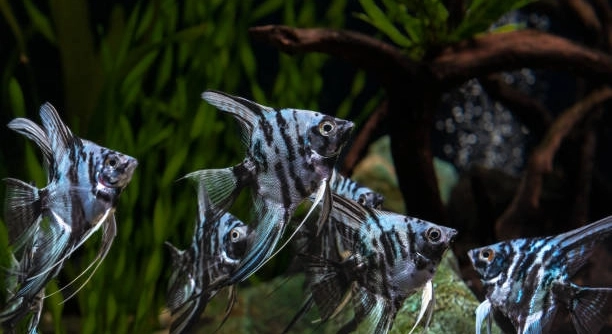
Choosing the right substrate for your angelfish tank is essential for their health and your aquarium’s overall aesthetic. A well-selected substrate can benefit both your fish and plants while making the tank easy to maintain.
The best substrates for angelfish aquariums are those that support their natural behavior, encourage plant growth, and are easy to clean. Popular choices include fine gravel, sand, and nutrient-rich substrates to help maintain water quality.
Knowing which substrate works best for your angelfish can improve their environment and ensure a thriving, vibrant tank. Let’s explore some of the top options available for you and your aquatic pets.
1. Fine Gravel: A Classic Choice for Your Angelfish
Fine gravel is one of the most common substrates used in angelfish aquariums. It’s simple to manage, and its smooth texture makes it comfortable for angelfish to swim through. This type of gravel doesn’t have sharp edges, reducing the risk of injury to your fish. Moreover, it provides a clean and natural look to the aquarium, complementing your fish’s vibrant colors. Fine gravel also allows beneficial bacteria to grow, which helps in maintaining a balanced and healthy environment for your fish.
For those who want a straightforward solution, fine gravel is a great option. It’s affordable, easy to clean, and perfect for tanks with minimal plant life. However, it might not support heavy plant growth since it doesn’t retain nutrients well. Regular cleaning is essential to prevent debris from building up.
Fine gravel is versatile enough for many aquarium setups. It provides a good balance between aesthetic appeal and functionality. If you’re looking for a substrate that is simple yet effective, fine gravel is an option worth considering.
2. Sand Substrate: Ideal for Angelfish and Plants
Sand substrates can be a good fit for angelfish tanks. They are gentle on delicate fish and provide a natural look.
Sand helps plants root better and promotes oxygen exchange in the substrate. This can make it a great choice for planted tanks.
3. Nutrient-Rich Substrates: A Boost for Plant Growth
Nutrient-rich substrates are perfect for planted angelfish tanks. They help supply essential nutrients to plants, supporting their growth and overall health. These substrates often contain a blend of minerals and organic matter that make them ideal for aquascaping. While they are more expensive than basic gravel or sand, they are highly beneficial if you plan on adding live plants to your tank.
These substrates also help maintain water quality by providing a stable environment for both plants and fish. Nutrient-rich substrates retain fertilizers, reducing the need for frequent plant feedings. However, they may require more maintenance as they can trap waste material. Cleaning and replacing portions of the substrate over time is important.
By encouraging plant growth, nutrient-rich substrates create a more natural and balanced environment for your angelfish. They provide additional oxygen and help reduce the growth of unwanted algae. These substrates can support a thriving aquatic ecosystem, making them a top choice for those who want to combine plant life with their angelfish.
4. Blackwater Substrates: Mimicking Natural Habitats
Blackwater substrates offer an appealing option for those aiming to replicate the natural environment of angelfish.
They create a more acidic environment by releasing tannins, which lower the pH and simulate the soft, dark waters of the Amazon River. This substrate type can help reduce stress in your angelfish by making them feel at home.
5. Pea Gravel: Affordable and Simple
Pea gravel is a practical option for angelfish tanks. It is smooth, easy to clean, and doesn’t pose a risk of injury to your fish. Its small size makes it perfect for tanks with soft-bottomed species like angelfish, allowing them to swim freely without difficulty.
Pea gravel is also affordable and accessible, making it ideal for those on a budget. It provides a clean and tidy appearance while supporting basic filtration. However, like other gravel, it doesn’t offer much for plant growth. For a more planted tank, you’ll need additional support.
6. Fluorite: Rich in Iron for Plants
Fluorite is a popular substrate for those focusing on plant health. It is rich in iron, an essential nutrient that helps plants thrive. If you’re setting up a planted tank with angelfish, fluorite provides the perfect foundation, promoting lush plant growth.
While it supports plant life well, fluorite is more difficult to clean. It can be messy during setup, and regular maintenance is needed to avoid debris buildup. Additionally, it may alter water chemistry, so be sure to monitor water parameters frequently.
7. Aquasoil: Best for a Natural Aquascape
Aquasoil is often the go-to choice for aquascaping enthusiasts. It is nutrient-rich, holds moisture, and supports plant growth well. This substrate can help create a lush, natural environment for angelfish while providing the nutrients your plants need to grow strong and healthy.
Aquasoil helps promote stable water conditions and can aid in balancing pH levels. However, it can be more expensive than other options and requires careful management to maintain the right water parameters. If you’re looking for a beautiful, planted tank, aquasoil is a reliable choice.
FAQ
What substrate is best for angelfish?
The best substrate for angelfish depends on your tank setup. If you have live plants, nutrient-rich substrates like fluorite or aquasoil are great choices because they support plant growth while maintaining water quality. For a simpler setup, fine gravel or sand can be a good option. Pea gravel is another solid, affordable choice, though it doesn’t offer much for plant growth. Ultimately, it’s important to choose a substrate that suits both your angelfish’s needs and any plants you want to keep.
Can I use sand in my angelfish tank?
Yes, you can use sand in an angelfish tank. Sand is gentle on the fish and looks natural. However, it’s important to choose the right type of sand—fine, smooth sand is ideal, as rough or sharp sand can harm your angelfish. If you plan to include live plants, make sure the sand you choose supports plant growth, or consider adding a nutrient layer beneath it. Sand also requires regular cleaning to prevent debris buildup, which can affect water quality.
Is fine gravel safe for angelfish?
Fine gravel is generally safe for angelfish, as it has smooth edges that won’t harm their delicate fins. It’s easy to maintain and doesn’t trap waste as easily as coarse gravel. While fine gravel doesn’t offer the same benefits for plant growth as nutrient-rich substrates, it’s a solid, low-maintenance option for aquariums with minimal plants or artificial decorations. Just make sure it’s cleaned regularly to maintain a healthy tank environment.
Can I mix different substrates in my angelfish tank?
Yes, you can mix different substrates in your angelfish tank. Many aquarists do this to create a more aesthetically pleasing or functional environment. For example, you might use a nutrient-rich substrate like fluorite under a layer of fine gravel to support plant growth while still having a clean, easy-to-maintain surface. Mixing substrates can also provide different textures and colors, enhancing the overall look of your tank. Just be sure that all substrates are compatible with your tank’s needs and that they don’t negatively impact your water chemistry.
How often should I clean the substrate in an angelfish tank?
Cleaning the substrate in your angelfish tank is essential to maintain water quality. It’s recommended to clean the substrate during regular water changes, which should be done every one to two weeks. For tanks with fine gravel or sand, use a gravel vacuum to gently clean the substrate without disturbing the fish too much. In tanks with nutrient-rich substrates, avoid disturbing the surface too much to prevent releasing excess nutrients into the water. Regular cleaning helps prevent waste buildup, keeping the tank healthy for both your fish and plants.
Does the type of substrate affect water parameters?
Yes, the type of substrate can affect the water parameters in your tank. For instance, substrates like fluorite and aquasoil can lower pH and soften water, which may be beneficial for angelfish, as they prefer slightly acidic water. However, it’s important to monitor water parameters regularly, as some substrates can cause dramatic changes. Sand and fine gravel generally don’t affect the water chemistry, but if you use nutrient-rich substrates, they may release organic compounds that can alter your tank’s balance. Always test your water and adjust as needed.
Can I keep live plants with fine gravel or sand?
While it’s possible to keep live plants with fine gravel or sand, it may not be ideal for all types of plants. Fine gravel doesn’t retain nutrients well, so plants that require a lot of nutrients may struggle. Similarly, sand can make it difficult for plant roots to anchor. If you plan to include live plants, consider adding a layer of nutrient-rich substrate underneath the gravel or sand. Alternatively, you could use fertilizers to ensure your plants receive the necessary nutrients.
What are the benefits of using nutrient-rich substrates for plants?
Nutrient-rich substrates provide essential minerals and organic matter to plants, promoting healthy growth. These substrates can help maintain a balanced nutrient profile in the tank, reducing the need for additional fertilizers. In addition, they can help stabilize water chemistry, providing an ideal environment for both plants and fish. For aquariums with live plants, using a nutrient-rich substrate like fluorite or aquasoil ensures that plants have the nutrients they need to thrive, which in turn supports a healthier and more vibrant tank overall.
Should I use blackwater substrates for angelfish?
Blackwater substrates can be a good choice if you want to recreate the natural habitat of angelfish, as they mimic the soft, acidic waters of their native Amazon River. Blackwater substrates release tannins, which lower pH and add a natural, dark color to the water. These conditions can reduce stress for your angelfish, making them feel more comfortable. However, it’s essential to monitor water parameters carefully, as blackwater substrates can sometimes cause dramatic shifts in pH and water hardness. If used correctly, they can create an ideal environment for angelfish.
Can I use aquasoil in a tank with angelfish?
Aquasoil is an excellent choice for planted tanks with angelfish. It is rich in nutrients, especially iron, which promotes plant growth. However, aquasoil can lower pH and soften water, which is suitable for angelfish, as they thrive in slightly acidic conditions. Keep in mind that aquasoil requires more maintenance than other substrates, as it can release excess nutrients over time. Be sure to monitor your water parameters closely and perform regular water changes to maintain a healthy environment for your angelfish and plants.
What is the best substrate for an angelfish tank with no plants?
If you’re setting up an angelfish tank with no plants, you have more flexibility in substrate choice. Fine gravel or sand is ideal for a tank without live plants, as it’s easy to clean and maintains good water flow. Pea gravel is another simple, affordable option. These substrates don’t offer much for plant growth but are perfectly fine for keeping angelfish and decorative elements like rocks or artificial plants. Just make sure to clean the substrate regularly to avoid debris buildup and maintain water quality.
Final Thoughts
Choosing the right substrate for your angelfish tank is an important decision that impacts both the fish’s health and the overall look of your aquarium. Each substrate type has its own benefits and drawbacks, so it’s essential to think about your tank’s setup and your long-term goals. If you’re aiming for a simple, low-maintenance setup, fine gravel or sand may be sufficient. They’re easy to clean and won’t cause harm to your angelfish. On the other hand, if you’re planning a planted tank, nutrient-rich substrates like aquasoil or fluorite can help your plants thrive while maintaining a healthy environment for your fish. Consider your priorities—whether that’s plant growth, ease of maintenance, or water quality—when choosing your substrate.
Another factor to keep in mind is how the substrate affects the overall water chemistry in your tank. Substrates like blackwater and aquasoil can alter pH levels and soften the water, which can be beneficial for angelfish since they prefer slightly acidic conditions. However, these substrates require careful monitoring to avoid drastic shifts in water parameters that could stress your fish. On the other hand, sand and fine gravel generally don’t impact the water chemistry as much, making them easier to manage for beginners or those who want a more straightforward setup.
In the end, the best substrate for your angelfish tank depends on your personal preferences, the type of aquarium you want to create, and how much effort you’re willing to put into maintaining the environment. If you want a planted tank that supports lush growth and a natural ecosystem, nutrient-rich substrates are a great option. If you prefer a simpler, easy-to-maintain setup, fine gravel or sand may be the way to go. Whatever you choose, make sure to regularly maintain the tank, monitor water parameters, and adjust your approach as needed to ensure a healthy and thriving environment for your angelfish.

Hello,
If you enjoy the content that we create, please consider saying a "Thank You!" by leaving a tip.
Every little bit helps us continue crafting quality advice that supports the health, happiness, and well-being of pets around the world, for pets of all shapes, sizes, and species.
We really appreciate the kindness and support that you show us!