
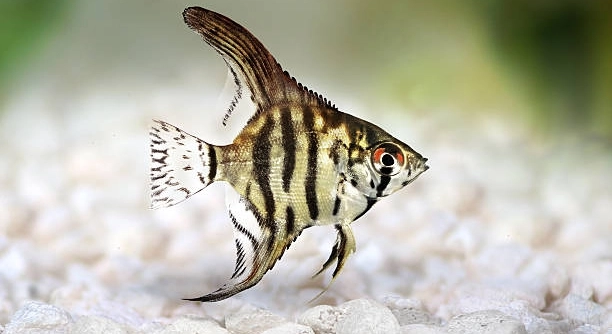
Angelfish are often observed ignoring their own reflection, a behavior that might leave you wondering why they don’t respond. This peculiar action can be confusing for many fish owners, especially if they are trying to understand their pets better.
The most likely reason your angelfish ignores its own reflection is because it doesn’t recognize the reflection as another fish. Angelfish rely on their instincts and visual cues, but reflections often appear as non-interactive images, not triggering any social behavior.
Understanding the reasons behind your angelfish’s behavior can improve your aquarium experience. From possible environmental influences to biological factors, there are several interesting aspects to explore.
Angelfish Behavior and Reflections
Angelfish are often seen swimming past mirrors or glass without reacting to their reflection. This behavior can be puzzling, especially when other fish seem to react strongly to their own image. There are several possible explanations for this. Fish behavior is driven by instincts and survival strategies, and how they react to their surroundings depends largely on what they perceive. In nature, angelfish do not encounter reflective surfaces like mirrors, so they don’t have any natural instincts to recognize a reflection. The reflection might not look like a real fish, so it doesn’t trigger any social response. Instead, the angelfish may simply view it as part of its environment. The lack of interaction with the reflection could be due to the absence of perceived benefits, like food or territory, that would make it react.
Angelfish don’t react to reflections because they don’t view them as another fish. Instead, they often ignore it as part of their routine.
They focus on stimuli they can interact with, like food or other fish. Without the need to compete or communicate with their reflection, angelfish likely have little interest in engaging with it. In addition, their vision is adapted to focus on their surroundings rather than focusing on something that doesn’t move or react. As long as no other fish are involved, they might simply swim past without acknowledging the reflection. This is why you might see your angelfish swimming near the glass but never stop or interact with the mirrored image. If an angelfish does seem curious, it’s more likely because it has spotted something else in its environment, like a piece of food or a moving object, rather than recognizing its reflection as another fish.
The Role of Territory
Angelfish, like most species, are territorial. They focus on marking and defending their space in the tank, usually against other fish. A reflection in the glass doesn’t feel like a real rival, so there’s no need to react to it.
The territorial instinct is important in understanding angelfish behavior. These fish prefer to have clearly defined areas where they can swim, feed, and hide. If they do not see another fish invading their space, they don’t feel the need to defend their territory. This lack of territorial challenge from the reflection means there’s no reason for your angelfish to act aggressively or show concern when they see it. Instead, they are likely more focused on real threats or changes in their environment. It’s a natural response to avoid expending energy on something that doesn’t pose a risk to their territory or social structure. This is why the reflection in the glass doesn’t trigger defensive or social behaviors. By understanding this instinct, you can better appreciate how your angelfish interacts with its habitat.
Angelfish and Social Interactions
Angelfish are social creatures, but they are selective about their interactions. They prefer to communicate and interact with real fish rather than their reflection. In a tank with other fish, they will pay attention to the behavior of their tankmates instead of focusing on something that doesn’t respond. The reflection might seem like a non-interactive image, which doesn’t engage the angelfish in the way real fish or movement does. They are wired to engage with other fish that show signs of life, like swimming or reacting.
When angelfish are placed in a tank alone, they might ignore the reflection entirely. They won’t attempt to interact with it because there’s no social interaction or communication coming from the reflection. Without another fish to interact with, the reflection is simply part of their environment, not something worth their attention. They will focus instead on other elements of their space like food, tank decorations, and any live plants that they may find interesting or comforting. Social creatures like angelfish thrive on interaction, but that interaction has to feel real.
In a tank with other fish, angelfish are likely to ignore their reflection, preferring the social connections they form with actual fish. They react to what they perceive as meaningful behavior from their tankmates, such as movements or the search for food. Without these triggers, a reflection is not engaging. Angelfish are naturally curious but will often ignore something that doesn’t act or respond in a way that requires their attention. Their social behavior is dictated by interactions that involve other living creatures or changes in their environment that demand a response.
Visual Perception of Reflections
Angelfish rely on their vision to navigate their surroundings, but they may not process reflections the same way humans do. The way fish perceive visual stimuli is different from land animals. They focus on movement and changes within their environment, not on static images. Reflections in a tank can appear distorted or flat, and the fish may not recognize it as a reflection of themselves. This difference in perception may explain why angelfish ignore what seems like a non-interactive image. Their natural instinct is to pay attention to things that are dynamic and have the potential to move or respond.
In addition, the way light interacts with the glass may distort the reflection further, making it difficult for the angelfish to identify what is being reflected. The lack of depth in the mirrored image could make it look like part of the tank’s surroundings rather than a living being. The flat, two-dimensional nature of a reflection does not provide the necessary cues to trigger any response in the angelfish. Without these essential cues, the fish will simply pass by the glass without paying it much attention. This is a natural way for angelfish to focus on what matters most in their environment.
Environmental Factors
Angelfish behavior can be influenced by the tank environment. Factors like lighting, tank decorations, and water quality all play a role in how they react. If the environment feels secure, they might be less inclined to focus on non-moving reflections.
Tank conditions can impact how angelfish perceive their surroundings. A well-lit tank can make reflections clearer, but poor lighting might make them harder to notice. Similarly, the layout of the tank could impact how the fish navigate. If there are plenty of hiding spots or areas to explore, the fish are more likely to focus on those rather than the glass. A stable environment helps angelfish feel comfortable, reducing the chance of unusual behaviors like reacting to their reflection.
Stress and Anxiety
Angelfish can experience stress, which affects their behavior. If they feel anxious, they may be more likely to ignore non-interactive reflections and focus on more important aspects of their environment.
Stress factors, such as overcrowding or poor water quality, can make angelfish less social or more withdrawn. In such conditions, the fish may avoid distractions like their own reflection. They’ll focus their energy on more pressing matters, like finding food or avoiding threats. Understanding these stress triggers can help maintain a peaceful environment.
FAQ
Why do angelfish ignore their reflection in the tank?
Angelfish are unlikely to react to their own reflection because they don’t recognize it as another fish. Reflections appear static and unresponsive, which doesn’t trigger any social or territorial behaviors. Angelfish are more focused on their environment and the real stimuli around them, like food or tankmates. The reflection may seem like part of the scenery rather than something they need to interact with, which is why they ignore it.
Is it normal for angelfish to ignore their reflection?
Yes, it’s completely normal. Angelfish do not respond to their reflection the same way humans or even some other fish do. They are more focused on real interactions, like with other fish or environmental changes. A reflection doesn’t provide the same social or territorial cues, so they simply don’t engage with it.
Should I worry if my angelfish doesn’t react to its reflection?
No, there’s no need to worry. Ignoring a reflection is typical behavior for angelfish. They are not stressed, anxious, or unhealthy when they ignore their own image. In fact, not reacting to their reflection can be a sign that they are comfortable and secure in their environment. They simply have no need to respond to something that isn’t a real threat or opportunity.
Can angelfish see themselves in a mirror?
Angelfish can technically see themselves in a mirror, but their perception of what they see is different from ours. The reflection may not register as a living creature or a rival. Instead, they might view it as part of the tank that doesn’t require any attention. Their visual system focuses on moving objects or things that provide interaction, such as food or other fish.
Do angelfish ever recognize their own reflection?
It’s unlikely that angelfish truly recognize their reflection as themselves. They may see the image as just another object in the tank. Some fish, like cichlids, can recognize their own reflection under certain conditions, but angelfish tend to focus on environmental stimuli that require action, such as food or other fish.
Will my angelfish become curious about its reflection?
While it’s possible that some angelfish might briefly explore their reflection, it’s not common for them to exhibit sustained curiosity. If your angelfish does approach the mirror, it may just be trying to figure out if there is something more interesting on the other side, like food. However, they typically lose interest quickly.
Can I use a mirror to entertain my angelfish?
Using a mirror to entertain your angelfish is not likely to have the desired effect. Angelfish don’t usually engage with their reflection. In fact, constant exposure to a mirror could cause stress or aggression in some fish species, as it might seem like a competing fish. It’s better to provide other forms of enrichment, such as live plants or tankmates to interact with.
Do angelfish prefer tankmates or do they prefer being alone?
Angelfish can live alone, but they tend to thrive in a community tank with other peaceful fish. They enjoy social interactions, and having tankmates can help stimulate their natural behaviors. However, it’s essential to make sure the tankmates are compatible and don’t stress the angelfish. They tend to be more active and comfortable when surrounded by other fish they can interact with.
Could a reflection stress my angelfish out?
While a reflection typically doesn’t stress an angelfish out, some fish might react to their own image, especially if they perceive it as a competitor. However, angelfish usually ignore the reflection because they don’t recognize it as a threat. If your angelfish seems stressed, other factors like water quality, tank size, or tankmates may be more likely causes.
How can I help my angelfish feel more comfortable in their tank?
To make your angelfish feel more comfortable, focus on maintaining stable water conditions and a well-planted tank. Angelfish thrive in tanks with hiding spots, plants, and peaceful tankmates. Avoid overcrowding and make sure the water temperature and pH levels are within their preferred range. A secure, stress-free environment helps them thrive.
Can a change in lighting affect how my angelfish reacts to its reflection?
Yes, lighting can influence how your angelfish perceives their reflection. If the lighting in the tank is too bright or positioned in such a way that it creates a clearer, more visible reflection, the angelfish might be more likely to notice it. However, they are unlikely to engage with it, as their behavior is more influenced by moving objects or real fish rather than static reflections. If you’re concerned, adjusting the lighting to reduce the intensity of reflections may help.
Do angelfish react to other types of reflections, like those from objects outside the tank?
Angelfish may respond to reflections from objects outside the tank, but this often depends on the size, movement, and clarity of the reflection. They are more likely to notice reflections that move or change, such as those caused by light bouncing off nearby objects. However, as with their reflection in the glass, they generally won’t engage unless the reflection is part of an interaction that requires a response.
Can I use a mirror for breeding purposes?
Using a mirror to encourage angelfish breeding is not recommended. Angelfish are more likely to breed when they feel secure in their environment and when they have suitable mates. Introducing a mirror might cause unnecessary stress, as the fish could mistake the reflection for a rival. Creating a calm and stable environment is more beneficial for breeding than using mirrors or other potential stressors.
Final Thoughts
Understanding why angelfish ignore their own reflection can help fish owners manage their aquarium more effectively. It’s natural for angelfish to focus on more interactive aspects of their environment rather than paying attention to a static reflection. Their behavior is driven by instincts that prioritize living creatures, food, and environmental changes. Since they don’t view reflections as actual fish, they have no reason to engage with them. This helps to ensure that your angelfish’s behavior remains calm and undisturbed by the glass or mirror in the tank.
If your angelfish ignores its reflection, there’s no need for concern. It’s a common and healthy behavior that shows they are focused on the real aspects of their environment. Fish like angelfish rely on visual and environmental cues that offer opportunities for interaction, whether through social contact with other fish or finding food. Since reflections don’t offer any such interaction, it makes sense that they’d be ignored. This behavior isn’t a sign of stress or unhappiness; it’s simply a reflection of how these fish perceive their world.
If you’re looking for ways to improve your angelfish’s environment or behavior, remember that the tank’s setup plays a crucial role. Providing a stable environment with clean water, plenty of space, and appropriate tankmates can help your angelfish thrive. The more secure and relaxed they feel, the less likely they are to be distracted by non-essential elements, such as their own reflection. By focusing on the fish’s natural needs and behaviors, you can create a healthy, peaceful environment for your angelfish and ensure they remain happy in their tank.

Hello,
If you enjoy the content that we create, please consider saying a "Thank You!" by leaving a tip.
Every little bit helps us continue crafting quality advice that supports the health, happiness, and well-being of pets around the world, for pets of all shapes, sizes, and species.
We really appreciate the kindness and support that you show us!