
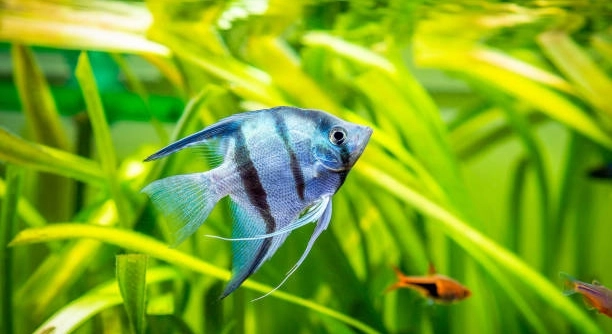
Have you ever noticed your angelfish acting bored or uninterested in their surroundings, and wondered how to help them feel more stimulated?
Encouraging natural hunting behavior in angelfish involves mimicking their wild environment, offering live or moving food, and setting up challenges that activate their instincts. These methods help support their physical health and mental engagement.
Adding just a few changes to your tank and feeding routine can make a big difference in how active and alert your angelfish become.
Rearrange Decorations to Create New Hiding Spots
Changing the tank layout from time to time gives your angelfish something new to explore. It also creates new hiding spots, which encourages them to search and patrol, just like they would in nature. This keeps them alert and reduces boredom.
You don’t need to buy anything new. Just moving driftwood, rocks, or plants around will make the space feel different to your angelfish. When they notice a change, they tend to explore more, which brings out their curious side. Try rotating between a few layout options every couple of weeks. Make sure changes don’t block swimming space or overcrowd the tank. Keep a balance between open areas and cover. That way, they have room to swim freely while still having places to investigate or hide. Observing them interact with the new layout can help you learn what they enjoy most.
Fish use cover to feel safe. Angelfish especially like vertical structures, like tall plants or upright driftwood. These offer shelter and let them establish little territories. If your angelfish are shy or less active, adding tall features near corners can help them feel more secure. With new hiding places, your fish may become bolder and more playful. Keep decorations clean and safe, without sharp edges.
Vary Feeding Locations
Changing where you place food encourages your angelfish to search and explore. Instead of feeding in the same spot every day, drop food in different areas of the tank. This keeps them active and mentally engaged.
Feeding in new locations makes them work a little harder for their meals. It mimics how they would search for food in the wild and helps prevent lazy behavior in the tank.
Add Gentle Water Flow
A slow, steady current helps angelfish stay active and adds movement to their environment. In nature, they live in gentle streams where water moves food and small particles around. You can use a sponge filter or an adjustable flow pump to create a soft current in part of the tank. This kind of water movement spreads food throughout the tank, encouraging your angelfish to chase it instead of just waiting in one place. Make sure the current isn’t too strong, as they prefer calm conditions. The goal is to add just enough flow to spark movement and curiosity without stressing them.
Offer Small Prey-Like Toys
Floating or sinking toys that move with the current can mimic the motion of prey. This keeps angelfish alert and encourages tracking behavior. Choose safe, smooth items designed for aquariums.
FAQ
How often should I give my angelfish live food?
Offering live food two to three times per week is usually enough. This gives your angelfish variety without overwhelming their digestive system or affecting water quality. Live food like brine shrimp or bloodworms can add excitement to feeding time and encourage hunting behavior. However, too much can lead to aggressive behavior or uneaten food sitting in the tank, which may cause health issues or cloudy water. It’s best to watch how your fish respond and adjust the frequency if needed. Some angelfish are more active hunters than others, and you’ll notice what they prefer over time.
Can angelfish get bored in a plain tank?
Yes, they can. A bare or unchanging tank gives them little to explore or interact with, which may cause stress or dull behavior. Angelfish are naturally curious and active. They enjoy peeking through plants, swimming between objects, and watching movement in their space. Adding a mix of decorations, live plants, and hiding spots helps them stay alert and comfortable. Rearranging the tank now and then can also boost their activity levels. If your angelfish seem less active or spend most of their time hiding, it might be time to switch up the tank environment.
Is it safe to use floating toys for angelfish?
Yes, as long as the toys are made for aquarium use and have no sharp edges or toxic materials. Floating or moving toys can simulate prey and encourage natural tracking behavior. They should be lightweight, easy to clean, and safe if bumped or bitten. Avoid anything with loose parts, paint, or rough surfaces. You can also try attaching items to the side of the tank with suction cups to create gentle motion. Always observe your angelfish when you introduce new objects to make sure they react well and aren’t stressed or scared.
What kind of plants work best in angelfish tanks?
Tall, broad-leaf plants like Amazon swords, Vallisneria, and Java fern are great options. They mimic the natural habitat of angelfish and offer shelter, shade, and resting areas. These plants create vertical space, which angelfish enjoy because of their body shape and swimming style. Floating plants can also soften lighting and make your fish feel more secure. If you use live plants, choose ones that are easy to care for and can handle the tank’s lighting and water conditions. A mix of plant types gives variety and helps promote more natural movement throughout the tank.
Can too much water flow stress angelfish?
Yes, strong currents can stress them out. Angelfish prefer calm, slow-moving water. A high-flow filter or strong pump might make it hard for them to swim or eat comfortably. If you notice your angelfish constantly hiding, being pushed around, or avoiding certain areas, the flow might be too strong. Using sponge filters or adjustable flow settings can help create a gentler environment. Placing decorations or tall plants in the path of the current can also slow it down and give your angelfish calmer spots to rest and explore.
Do angelfish need a lot of space to show hunting behavior?
They don’t need a massive tank, but enough space to swim freely and explore makes a big difference. A tank that’s too crowded or small limits their ability to move around and display natural behaviors like stalking or chasing food. A 20 to 30-gallon tank is usually the minimum for a pair of angelfish. Providing vertical swimming space is also important, since their bodies are tall. Make sure the tank has open areas along with structured spots like plants and driftwood, so they can move through and around different features comfortably.
Final Thoughts
Helping your angelfish show natural hunting behavior is not hard, and it can improve their overall health and mood. Small changes like offering live food, moving decorations around, and adjusting feeding spots can make a big difference. These changes give your angelfish more chances to explore, stay alert, and act the way they would in nature. When fish feel safe and engaged, they tend to be more active and show better color and behavior. This is not just good for the fish—it also makes the tank more interesting and peaceful to watch.
You don’t need to spend a lot of money or completely redesign your tank. Just adding plants, creating hiding places, and using gentle water movement can encourage more natural actions. Watching your angelfish search for food, swim through tall plants, or hide behind driftwood can be a sign that they feel comfortable and stimulated. If they seem stressed, hide too much, or lose interest in food, it may be a good idea to look at their tank setup and try a few of the tips mentioned earlier. Each fish has its own personality, so learning what your angelfish responds to takes a bit of patience and care.
It’s also important to keep the tank clean, maintain proper water conditions, and avoid overfeeding. Even small problems in water quality can affect how your angelfish behave. By creating a safe, calm, and natural environment, you give them the space to act more like they would in the wild. This not only keeps them healthy but also builds a better bond between you and your fish. Watching your angelfish thrive can be one of the most rewarding parts of keeping an aquarium. Whether you’re just getting started or looking to improve your current setup, encouraging their natural hunting behavior is a good step toward a more balanced and lively tank.

Hello,
If you enjoy the content that we create, please consider saying a "Thank You!" by leaving a tip.
Every little bit helps us continue crafting quality advice that supports the health, happiness, and well-being of pets around the world, for pets of all shapes, sizes, and species.
We really appreciate the kindness and support that you show us!