
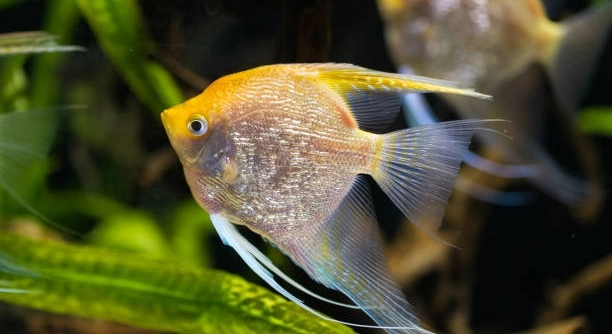
Angelfish are known for their colorful and unique personalities, making them a popular addition to many aquariums. However, their behavior can vary when interacting with different people, leaving owners curious about the reasons behind these differences.
There are several potential reasons why your angelfish may react differently to various people. Factors like their individual personalities, past experiences, and the energy they sense from humans can all influence how they behave. These interactions are often subtle but impactful.
Understanding these factors can help improve your relationship with your angelfish and ensure a healthier environment for them. Keep reading to explore seven different theories behind their varying reactions.
The Role of Familiarity in Angelfish Behavior
Angelfish can be quite sensitive to familiar people. When a person regularly interacts with them, the fish may become more accustomed to their presence. This familiarity can lead to more relaxed and comfortable behavior. The fish may approach more quickly and even engage in playful swimming patterns, especially when they know that food or attention is near.
A regular presence helps build trust between the angelfish and its owner. Over time, the fish associates the person with positive experiences, which influences their reactions. If someone unfamiliar enters the scene, the fish may react with caution or even retreat.
Creating a stable and consistent routine with your angelfish helps to establish this connection. When the fish recognizes specific actions, like feeding time or cleaning time, they may grow more trusting. This familiarity promotes a healthier and more enjoyable environment for both the angelfish and its owner.
Energy and Vibes: How Your Presence Affects Your Angelfish
The energy a person exudes can significantly impact how an angelfish behaves. Fish are highly sensitive to vibrations and changes in their environment, so a calm, positive demeanor might make them more relaxed. A stressed or anxious person could make the fish nervous as well.
Fish are particularly sensitive to the movements and emotions of those around them. If you approach the tank slowly and calmly, the angelfish will likely feel more at ease. A sudden, jerky motion or erratic behavior can cause stress and make the fish more likely to hide or swim away.
This sensitivity to energy and emotions means that keeping a calm and collected approach when interacting with your fish is essential. The more relaxed you are, the better the angelfish will respond to your presence. It’s a small detail but can have a big impact on their behavior.
Past Experiences and Angelfish Behavior
Angelfish, like many animals, can remember past experiences, which shape how they react to different people. If someone had positive interactions with the fish in the past, the fish may be more eager to approach them. Negative experiences, such as rough handling or abrupt movements, could make the fish wary of that person.
Fish have the ability to associate specific individuals with particular actions. If an angelfish was handled gently and fed consistently by one person, it may be more inclined to approach that person again. However, if it experienced stress or fear during a past interaction, it could display defensive or distant behavior when that person is nearby. The more positive the past, the stronger the bond between the fish and the person.
The way a fish responds to people is closely tied to its previous encounters with them. This is why an angelfish’s reaction can differ from person to person based on their previous experiences, whether they were good or bad.
The Role of Movement and Speed
The way a person moves around the tank can influence how the angelfish reacts. Quick, jerky movements can startle the fish, causing it to retreat or hide. In contrast, slow and smooth movements can help the angelfish feel more secure, promoting a better response.
Angelfish are highly sensitive to their surroundings and the speed at which things move. If a person moves too quickly around the tank, it can cause the fish stress, triggering a flight response. A sudden motion might cause the fish to swim away or hide, seeking refuge from what it perceives as a potential threat.
The key to ensuring a positive interaction with your angelfish is maintaining a calm presence. Slow, deliberate movements show the fish that there’s no danger, which encourages the angelfish to approach and feel comfortable around you. This gentle approach is more likely to lead to a better relationship.
Socialization and Angelfish Interaction
Angelfish, like other species, can vary in how they socialize with different people. Some fish are naturally more outgoing, while others are more reserved and cautious. The more often a person interacts with the fish, the more likely it is that the fish will become comfortable around them.
Regular interaction builds trust and a sense of security. The fish will begin to recognize certain people and associate them with positive experiences, such as being fed or cleaned. In contrast, infrequent interactions might leave the fish more uncertain and distant, taking longer to adjust to a person’s presence.
Angelfish and Their Tank Environment
The tank environment plays a significant role in how angelfish react to people. If the tank is well-maintained and stable, the fish will feel safer and more likely to approach their owners. Poor water conditions, on the other hand, can stress the fish, leading to avoidance behaviors.
A stable tank environment with appropriate water temperature, lighting, and decor helps the angelfish feel more comfortable. The fish will associate the tank with safety, and they may become more responsive to people who are part of that environment. If the tank is messy or disturbed frequently, the fish may feel stressed and retreat.
Personality Differences in Angelfish
Every angelfish has its own unique personality. Some may naturally be more curious and eager to interact with people, while others may be more shy or territorial. This can affect how they react to different individuals.
Each fish’s temperament influences how they engage with their surroundings, including the people who interact with them. Understanding your angelfish’s personality can help you adjust your approach to get a more positive reaction.
FAQ
Why does my angelfish swim away from me?
Angelfish may swim away from you if they feel threatened or scared. Sudden movements, loud noises, or unfamiliar people can cause them to react defensively. If the fish isn’t used to your presence or feels unsafe, it might retreat to a more secure spot in the tank. A calm and consistent approach can help reduce this behavior over time.
Do angelfish recognize their owners?
Yes, angelfish can recognize their owners. They are capable of associating people with food and other positive interactions. Over time, they may show more trust and approach their owners when they are near the tank. However, this recognition is based on their experiences and consistent interactions with you.
Can angelfish tell the difference between people?
Angelfish can indeed tell the difference between people. Their reactions to various individuals are influenced by factors like familiarity, movement, and past experiences. A person who regularly feeds and interacts with the fish will likely receive a more positive response than someone they don’t recognize.
How can I get my angelfish to trust me?
Building trust with your angelfish takes patience. Consistently interact with them by feeding at the same time each day and avoiding sudden movements. Gently tap the tank or use a calm voice to avoid startling them. Over time, this routine helps the fish recognize and trust you.
Is it normal for my angelfish to hide from me?
Yes, it’s normal for angelfish to hide from time to time, especially if they are new to the tank or stressed. They may retreat to a hiding spot if they feel threatened, need rest, or need time to adjust to a new environment. If your fish hides frequently, check water conditions and ensure they aren’t feeling overwhelmed by their environment or interactions.
Why does my angelfish only respond to one person?
Your angelfish might respond more readily to one person due to familiarity or past experiences. If that person consistently interacts with the fish, provides food, or maintains the tank, the fish may have formed a bond with them. If other individuals approach too quickly or infrequently, the fish may not have had enough positive experiences to respond in the same way.
Can stress make my angelfish react differently?
Yes, stress can certainly cause changes in an angelfish’s behavior. Poor water quality, tank overcrowding, sudden changes in temperature, or loud noises can all stress the fish. When stressed, angelfish may swim erratically, hide more often, or react defensively. Ensuring a stable environment can help reduce these stress-induced behaviors.
Why does my angelfish get aggressive with other fish or people?
Angelfish can be territorial and may show aggression, especially if they feel their space is being invaded. This behavior is often seen during breeding or when they feel their territory is threatened. Aggression can also result from stress, overcrowding, or lack of space in the tank. Monitoring tank conditions and ensuring adequate space can help reduce aggression.
Do angelfish remember bad experiences?
Yes, angelfish can remember negative experiences, such as rough handling or sudden movements that frightened them. This memory can affect how they react to the same person or situation in the future. If your fish has had a stressful encounter, it may take some time for them to feel comfortable again. A calm and patient approach can help rebuild trust.
How do I calm my angelfish if it’s stressed?
To calm a stressed angelfish, ensure that the tank’s water quality is optimal. Check for factors like temperature, pH, and ammonia levels. Minimize loud noises or sudden movements around the tank. Providing hiding spots in the aquarium can also give the fish a sense of security, helping them feel less threatened.
Can I train my angelfish to recognize my voice?
While angelfish may not recognize specific words or sounds, they can become familiar with the tone and rhythm of your voice. Regularly speaking to them or associating certain sounds, like a feeding routine, can help the fish link your presence with positive experiences, even if they don’t understand the words.
Why is my angelfish more active at certain times of day?
Angelfish are diurnal, meaning they are most active during the day. They may swim around more in the morning or when you approach the tank during feeding time. Their activity levels can also be influenced by the lighting in the room or the tank’s light cycle. Consistent lighting helps maintain their natural rhythm.
How do I know if my angelfish is happy?
A happy angelfish will display healthy behaviors, such as swimming actively, engaging with tank mates, and maintaining vibrant colors. They should be eating regularly and not showing signs of stress, like hiding or excessive darting around the tank. Observing these behaviors can give you an indication of their well-being.
Why do angelfish react differently to certain people in the room?
Angelfish react differently to people due to their individual experiences, personality, and the way they perceive human presence. If someone is more calm and consistent, the fish may be more comfortable with them. On the other hand, someone who moves too quickly or frequently disturbs the tank might cause the fish to feel stressed or cautious.
Is it normal for angelfish to change behavior after a tank cleaning?
Yes, it’s normal for angelfish to act differently after a tank cleaning. The sudden change in their environment can cause some stress, especially if the water temperature or other conditions were altered during the cleaning process. The fish may become more cautious for a while but should settle back into their routine once everything stabilizes.
Final Thoughts
Angelfish are fascinating creatures, and their behavior towards different people can be influenced by a variety of factors. Each fish is unique, and how they react can depend on their personality, the consistency of interactions, and the environment in which they live. Over time, as you build trust with your angelfish through regular care and attention, you may notice that their behavior becomes more predictable and responsive to you.
Understanding the reasons behind why your angelfish may react differently to various people helps you create a better bond with them. Whether it’s through offering food, consistent interaction, or simply giving them time to adjust, your actions can play a significant role in shaping their behavior. It’s important to remember that angelfish, like all pets, require patience. They may not always respond immediately, but with calm, steady attention, they will begin to recognize you as part of their safe environment.
Ultimately, the key to better understanding your angelfish is observation. By paying attention to their reactions and the conditions around them, you can tailor your approach to suit their needs. Whether they are shy, social, or territorial, knowing how to adjust your interactions will ensure a more positive relationship with these beautiful and complex fish.

Hello,
If you enjoy the content that we create, please consider saying a "Thank You!" by leaving a tip.
Every little bit helps us continue crafting quality advice that supports the health, happiness, and well-being of pets around the world, for pets of all shapes, sizes, and species.
We really appreciate the kindness and support that you show us!