
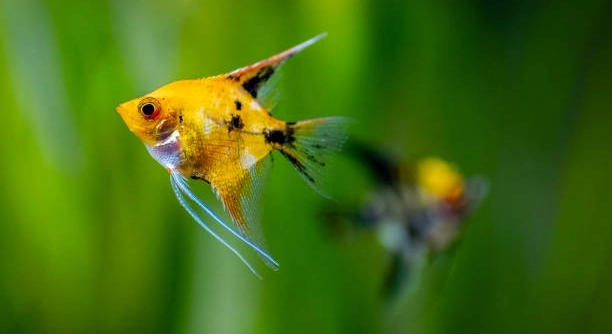
If you have noticed your angelfish swimming to the same spot repeatedly, you may be wondering what causes this behavior. Understanding the reasons behind this action can help you better care for your fish and their environment.
Angelfish may swim to the same spot due to several factors, including territorial behavior, feeding habits, or stress. These fish often return to familiar spots that offer comfort, safety, or better access to food, indicating specific needs.
Knowing these reasons can help you address the behavior and create a more balanced and healthy environment for your angelfish.
Territorial Instincts
Angelfish are known to exhibit territorial behaviors, especially in smaller tanks. They tend to claim areas of the tank as their own, marking these spots as safe zones. This behavior is natural, as fish in the wild often guard territories to protect themselves from potential threats and to have a space for feeding and resting. When your angelfish keeps swimming to the same spot, it might be asserting its dominance or just feeling more secure in that location. Over time, the fish will associate this area with safety, making it a regular spot for its activities.
Fish, like angelfish, often establish territories to reduce stress. If there are other fish in the tank, they may even patrol this spot to warn others to stay away. This helps reduce possible conflict and creates a sense of stability.
Understanding territorial behaviors is important to ensure your angelfish stays comfortable in its environment. Consider whether the tank is overcrowded or if there’s a need for more hiding spaces. These changes can help reduce stress and improve the well-being of your fish.
Feeding Habits
Feeding habits play a significant role in where your angelfish chooses to swim. Angelfish are often attracted to areas where food is regularly provided. If you feed them in one specific spot, your fish will likely associate that place with nourishment and will return there, especially during feeding time. This habit can be enhanced if you use sinking or floating pellets, as the fish will swim to the area where food naturally settles.
Consistency is key when it comes to feeding. The fish learn quickly and may swim to this same spot even if food is not immediately available. It’s important to ensure that food distribution does not lead to overeating or unhealthy habits. Regular feeding at the same time and location will make the spot more familiar.
The right amount of food should always be given to prevent overfeeding, which can lead to water quality issues. Keeping a regular feeding routine ensures your angelfish remains healthy and comfortable.
Stress
Stress is one of the most common reasons behind unusual swimming patterns in angelfish. A stressed angelfish will often swim to specific areas repeatedly. This behavior can be caused by a variety of factors, such as poor water quality, overcrowding, or aggression from other tank mates. A stressed fish may look for a place that feels more secure, which can lead to constant swimming in the same spot.
It’s important to monitor the tank’s environment to identify stressors. If there are visible signs of aggression from other fish, this could be a trigger. Water temperature, pH levels, and filtration should all be checked. Stress can also result from a lack of hiding spots or improper tank conditions.
Addressing the cause of stress is essential for your angelfish’s health. Adding plants, rocks, or other hiding places can give them a sense of security. Ensuring proper tank size and water conditions will also reduce stress, leading to more natural behavior.
Illness or Injury
An angelfish that is injured or ill may swim to a specific area due to discomfort or pain. This behavior can be linked to injury from fighting with other fish, a sudden change in water parameters, or a pre-existing illness. Fish will often retreat to certain spots to find relief from the symptoms, such as a place to rest away from other tank inhabitants.
If your angelfish is showing other signs of illness, such as faded colors, reduced appetite, or abnormal swimming patterns, it’s important to act quickly. Illnesses like fin rot or internal parasites can cause pain, leading the fish to seek a spot where it feels safer. Regular water testing and routine tank maintenance can help prevent such issues.
If injury or illness is suspected, consider isolating the fish in a quarantine tank. This allows for easier monitoring and treatment. Make sure to adjust the water parameters and ensure the fish is getting proper care and attention during this time.
Feeding Routine
Angelfish often return to the same spot if it’s where they’re regularly fed. They quickly associate specific areas with food, so they’ll swim there whenever they feel hungry. This behavior is simply learned, and it’s normal for fish to revisit these spots during feeding times.
If you feed your angelfish at the same location consistently, they will form a habit of swimming to that area. It’s important to vary the placement of food sometimes to prevent over-reliance on one spot. Doing so can keep them more active and prevent them from associating the same area with just food.
Environmental Changes
Changes in the tank environment can lead to angelfish swimming to familiar spots. If the water temperature or filtration is altered, the fish may seek a specific location for comfort. These adjustments may cause temporary stress as they try to find a stable, familiar area in the tank.
Keep the tank’s environment consistent and avoid sudden changes to help the fish stay calm. Stability is key to reducing stress and ensuring your angelfish feel safe. Regular water tests and proper equipment maintenance can prevent environmental issues from affecting your fish’s behavior.
Tank Mates
Your angelfish may be swimming to the same spot due to the presence of other tank mates. Fish tend to seek refuge in specific areas when they feel threatened or overwhelmed by more dominant or aggressive tank mates. This behavior helps reduce conflict.
FAQ
Why does my angelfish keep swimming in circles?
Swimming in circles could indicate stress or a sign of an underlying health issue. Stress factors like overcrowding, poor water conditions, or aggressive tank mates can make your angelfish behave this way. It’s essential to ensure the tank is adequately sized, with appropriate water parameters. Check for any signs of illness or injury, such as faded colors or abnormal swimming patterns. If no external causes are found, the behavior might be a result of boredom, which could be alleviated by adding new tank decorations or companions.
Is it normal for angelfish to swim in one corner?
Yes, it is common for angelfish to swim in one corner, especially if they feel insecure or stressed. This behavior could be linked to territoriality, with the corner serving as a safe zone. If there are other fish present, the angelfish may be avoiding them. To alleviate this, consider adding hiding spots or decorations to provide a more secure environment for your fish. Also, ensure the water quality is optimal and that the tank is not overcrowded.
What does it mean when my angelfish swims at the surface?
When an angelfish swims at the surface, it could indicate several things, such as seeking oxygen or reacting to poor water quality. If your fish is consistently swimming at the surface, check the oxygen levels and ensure your filtration system is functioning properly. A lack of oxygen could cause your fish to struggle to breathe. Additionally, high ammonia or nitrate levels can be harmful to your fish, so regularly test the water to maintain a healthy environment.
Should I be concerned if my angelfish is swimming in one spot all the time?
If your angelfish consistently swims in the same spot, it could be a sign of territoriality, illness, or stress. It’s important to observe other signs like changes in behavior, appearance, or feeding habits. If your fish seems to be acting lethargic, eating less, or showing other signs of illness, consider isolating it in a quarantine tank for closer observation. Ensure the water quality is ideal, and the tank is not overcrowded.
How do I know if my angelfish is stressed?
Stress in angelfish can be identified by a few common signs. They may swim erratically, hide in corners, or show a loss of appetite. Other symptoms include clamped fins, darting around the tank, or excessive breathing at the surface. Stress can stem from poor water conditions, aggressive tank mates, or inadequate tank size. It’s crucial to maintain a stable environment with proper filtration and regular water changes to reduce stress levels. Ensure that tank mates are compatible, and provide enough hiding places to reduce tension.
Can my angelfish swim in the same spot due to hunger?
Yes, your angelfish may swim to the same spot when hungry, especially if that’s where you typically feed them. They associate that area with food and will often swim there at feeding times. To prevent them from becoming too reliant on one spot, try feeding them in different locations within the tank. This can also encourage more natural foraging behavior and keep them active. Just make sure to feed them properly, as overfeeding can lead to health problems.
What can I do to help my angelfish feel comfortable?
To help your angelfish feel more comfortable, focus on creating a stable and secure environment. This includes maintaining consistent water parameters such as temperature, pH, and ammonia levels. Providing hiding places like plants, rocks, or decorations will allow your fish to have a safe retreat. Keep the tank size appropriate for the number of fish, and ensure there is enough space to reduce territorial behavior. Lastly, avoid introducing aggressive tank mates that could stress out your angelfish.
Can angelfish swim to the same spot because of the water temperature?
Yes, water temperature plays a significant role in your angelfish’s behavior. Angelfish prefer temperatures between 75°F and 82°F (24°C to 28°C). If the water is too hot or cold, your fish may seek out a spot in the tank that feels more comfortable. Ensure that the water temperature remains stable, as fluctuations can lead to stress. Use a reliable aquarium heater and thermometer to maintain the ideal range for your angelfish.
Why is my angelfish constantly swimming in the filter current?
Some angelfish are naturally drawn to the filter current, which they may use as a source of stimulation. This could be because the current mimics the flow of water in their natural habitat. However, if your angelfish is constantly swimming in the filter current and appears stressed, it may indicate an issue with the tank’s environment. Check the filter’s power, and ensure that the current isn’t too strong for your fish. A calmer area in the tank should be available for your angelfish to rest.
Should I remove the fish if it’s swimming in one place all day?
If your angelfish swims in the same place all day, it’s important to observe its behavior closely. If it is eating, swimming normally, and doesn’t appear distressed, there may not be an issue. However, if the fish is lethargic, not eating, or showing signs of illness, removing it from the main tank could be necessary. Place it in a quarantine tank to monitor its health and check for any potential illness or injury. Keeping it isolated will help prevent any potential spread of disease to other fish.
Final Thoughts
Angelfish are known for their graceful movements and distinct personalities, so it can be concerning when they swim to the same spot repeatedly. This behavior can often be traced to a few underlying causes. Whether it’s related to stress, territoriality, or simply a search for comfort, understanding the reason behind it can help improve the overall well-being of your fish. By paying attention to the tank’s conditions, observing their behavior closely, and addressing any issues that arise, you can help ensure that your angelfish remain healthy and happy.
Maintaining the right environment is key to minimizing stress and encouraging natural behaviors in your angelfish. Make sure your tank is properly filtered, clean, and well-maintained. Regular water changes and monitoring the quality of the water can help avoid many potential problems. Ensure your fish have enough space to swim freely and that they are not overwhelmed by aggressive tank mates. Creating hiding spots and providing objects like plants or decorations will help reduce anxiety and allow your angelfish to feel more secure. These steps can help keep their behavior in check and allow them to thrive in their environment.
If your angelfish continues to swim to the same spot despite addressing environmental factors, it may be worth consulting an expert or a vet who specializes in fish. Sometimes, health problems or parasites can cause unusual swimming patterns. However, in many cases, the behavior is a result of stress, boredom, or natural instincts. With the right care, your angelfish can lead a long and healthy life. By creating a balanced and safe environment, you’ll ensure your fish can flourish and continue to display their unique behaviors.

Hello,
If you enjoy the content that we create, please consider saying a "Thank You!" by leaving a tip.
Every little bit helps us continue crafting quality advice that supports the health, happiness, and well-being of pets around the world, for pets of all shapes, sizes, and species.
We really appreciate the kindness and support that you show us!