
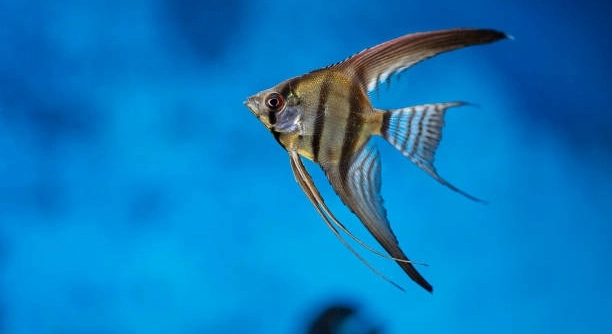
Is your angelfish showing interest in food only at certain times of the day, leaving you unsure of what’s going on? You’re not alone—many fish keepers notice similar feeding habits in their angelfish.
Angelfish often eat at specific times due to factors like lighting, tank routine, stress levels, water temperature, or natural feeding instincts. Identifying the cause helps ensure they’re healthy and not exhibiting signs of illness or discomfort.
Understanding these patterns will help you make the right adjustments and create a feeding routine that works for both you and your angelfish.
Changes in Light and Feeding Routine
Angelfish often adjust their eating patterns based on lighting and when they’re usually fed. If you feed them at the same time daily, they’ll start expecting food at that time. Sudden changes in your schedule or aquarium lighting can confuse them. For example, feeding your fish early in the morning one day and late at night the next may cause them to eat less or ignore food altogether. Consistent lighting also plays a big role. Angelfish feel more secure in familiar conditions, and changes in brightness or duration of light exposure can impact their behavior. Try to keep the tank light on for 10 to 12 hours per day, simulating natural daylight. This encourages predictable activity and feeding times, which can lead to better health and more stable behavior. A reliable pattern helps angelfish feel comfortable enough to eat when food is offered.
These fish thrive on structure and familiarity, so changes in their environment can throw off their appetite.
If your angelfish is skipping meals after you’ve changed the tank light timer or your feeding schedule, it may just need time to adjust. Give them a few days to settle into the new routine. If their eating doesn’t return to normal, check for other possible causes. Even minor shifts in light can signal to the fish that it’s not time to eat. Sticking with a steady feeding and lighting plan can make a big difference. It helps your angelfish understand when it’s mealtime and builds their confidence in knowing their environment is safe and predictable. This small change can lead to better appetite and overall behavior.
Temperature and Metabolism
Water temperature has a direct effect on how much and when your angelfish will eat.
Angelfish are tropical fish, and their metabolism changes depending on the temperature of the tank. If the water is cooler than what they prefer—usually below 75°F—they may become sluggish and uninterested in food. On the other hand, temperatures above 82°F can increase their activity levels and hunger. A stable range between 76°F and 80°F is ideal. When the temperature is too low, digestion slows down, and angelfish might not eat until it warms up again. Some heaters can also fluctuate, causing minor shifts that still affect behavior. It’s a good idea to use a reliable aquarium thermometer to track the water temperature daily. Sudden drops or rises, especially during colder months, may go unnoticed without regular monitoring. Keeping the water warm and stable not only supports appetite but also helps with overall energy levels and immune health. If your angelfish is eating only during warmer times of the day, temperature could be the cause.
Stress and Tank Conditions
Stress can cause angelfish to eat less or only at certain times. Common sources include sudden noise, overcrowding, or poor water quality. If the environment feels unsafe, your fish may wait until things are calm before eating.
Poor tank conditions affect behavior more than we often realize. High ammonia or nitrite levels, low oxygen, and pH imbalances can make angelfish uncomfortable or unwell, reducing their interest in food. Overcrowded tanks lead to aggressive behavior and territorial stress, especially during feeding time. A fish that feels threatened might hide and only come out once the tank is quieter. It’s important to test your water regularly, maintain proper filtration, and perform partial water changes every week. Adding plants and hiding spots can help angelfish feel more secure. When they feel safe and the tank conditions are stable, their appetite usually improves, and they eat more consistently throughout the day.
Changes in behavior, like only eating when the room is quiet, can be linked to noise and movement around the tank. Angelfish can be sensitive to vibrations or shadows, especially in busy spaces. If they’re startled often during feeding time, they may begin to avoid food until it feels safer. Consider feeding them during calmer times of day when there’s less activity in the room. Keeping their environment predictable helps reduce stress, making them more likely to eat regularly. When stress is managed and tank conditions are kept in check, most angelfish return to a normal feeding schedule without much trouble.
Natural Behavior and Feeding Instincts
Angelfish are naturally more active during certain times of day, especially when lighting and tank conditions mimic their wild habitat. Their feeding instincts follow those natural patterns, which is why they might eat better in the morning or evening.
In the wild, angelfish search for food during low-light hours to avoid predators and reduce competition. That behavior can still influence their appetite in a home aquarium. If you notice they eat more when the room is dim or just after the tank light turns on, it may reflect that instinct. Feeding during those times can be more effective. Avoid giving food when they seem uninterested, as uneaten food can pollute the water. It’s also important not to overfeed when they do show interest. Smaller, consistent meals that align with their natural rhythm are usually best. Observing your angelfish and noting their preferred times will help build a feeding plan that suits their instinctual behavior.
Competition in the Tank
Angelfish may avoid eating when faster or more aggressive tank mates grab food first. They often wait until the activity settles before approaching. This delay can make it seem like they only eat at certain times.
Feeding in separate areas or distracting other fish with sinking pellets can help your angelfish eat calmly.
Illness or Discomfort
Health issues can also affect feeding behavior. If an angelfish has internal parasites, bloating, or swim bladder trouble, it might stop eating or eat only during calm periods. Other signs like clamped fins, unusual swimming, or hiding often show up with appetite changes. If you notice these signs, test the water first to rule out environmental issues. If everything checks out and symptoms continue, it may be time to treat for illness. Use a hospital tank if needed and consult a trusted fish care source or vet for treatment options. Catching health problems early can make recovery much easier and quicker.
Food Preferences
Some angelfish become picky and may only eat specific foods. If they’re used to flakes but you switch to pellets, they might ignore them at first. Offering a variety can help you figure out what they like best.
FAQ
Why does my angelfish ignore food during the day but eat at night?
This behavior is often linked to stress, lighting, or activity levels around the tank. If your home is busy during the day, your angelfish may feel uneasy. They might prefer eating at night when the environment is calmer and there’s less movement. Dimming the lights and reducing noise during feeding can help them feel safe enough to eat at different times.
Could my angelfish be full from earlier feedings?
Yes, overfeeding can reduce interest in food later in the day. Angelfish do not need large amounts of food and can become full quickly. Feeding too much too often may cause them to skip meals. Try offering small portions twice a day and remove uneaten food within a few minutes.
Is it normal for angelfish to go without eating for a day?
It can be normal, especially if they are adjusting to a new tank or recovering from stress. However, if it continues for several days or is paired with signs of illness, such as hiding, discoloration, or odd swimming behavior, something more serious may be going on.
How can I help a shy angelfish eat more regularly?
Shy angelfish often feel intimidated by tank mates or environmental factors. Providing tall plants and hiding spots helps reduce anxiety. Feed during quiet times and try to distract other fish with food in a different area of the tank. Routine and calm surroundings can make a big difference.
Can angelfish get bored of the same food?
Yes, they can become less interested in eating if offered the same food all the time. Try rotating between flakes, pellets, frozen bloodworms, and brine shrimp. Offering variety improves their appetite and also provides more balanced nutrition. Observe what they respond to best and adjust accordingly.
What if my angelfish only eats when the tank light is on?
This could be due to habit or visual cues. If they associate the light turning on with feeding, it becomes part of their routine. It can also mean they feel safer when they can see their surroundings. Maintaining consistent lighting helps support predictable feeding behavior.
Could tank mates be scaring my angelfish away from food?
Yes, especially if other fish are faster, more aggressive, or dominate the food area. Angelfish may wait until the coast is clear before eating. In mixed tanks, try using feeding rings or feeding in separate areas. Watching how your fish interact can help spot problems.
Do angelfish eat better with a schedule?
Absolutely. Feeding at the same time every day helps them recognize when food is coming and builds trust. A predictable schedule can make them more relaxed and willing to eat. Consistency helps reduce stress, which is often the root of strange eating behavior.
Is it okay if my angelfish eats less after a tank cleaning?
Yes, many fish eat less right after a water change or tank maintenance. It’s a temporary reaction to the disruption. Give them a day or two to settle back into their routine. Just make sure water parameters remain stable afterward.
Can water temperature affect angelfish appetite?
Yes, temperature changes can affect metabolism. If the water is too cold or too warm, angelfish may slow down or become inactive. Keep the tank between 76–82°F for the best results. Sudden changes should be avoided, as they can stress the fish and reduce appetite.
Final Thoughts
Feeding behavior in angelfish can vary from one fish to another. Some may eat eagerly at every opportunity, while others seem more selective or follow a certain routine. Noticing your angelfish eating only at specific times is not always a reason to worry. In many cases, it is related to natural habits, tank dynamics, or environmental conditions. Factors such as light, tank mates, feeding schedule, or even food type can all play a part. Taking time to observe patterns and adjust your care accordingly will usually improve their eating behavior over time.
If your angelfish appears healthy, swims normally, and shows interest in food—even if only at certain times—it may just be following a rhythm that works for it. Some angelfish feel more secure eating when there is less activity in the room or tank. Others may be hesitant if faster fish dominate feeding time. Trying different approaches such as feeding in quieter conditions, using sinking foods, or spreading food around the tank can help. Keeping a consistent schedule, offering variety, and monitoring tank conditions will also support healthy eating habits.
Changes in appetite that come with other signs like hiding, odd swimming, or a change in appearance should be watched closely. These could signal something beyond a simple habit, such as illness or stress. If you notice anything unusual, start by testing your water to make sure parameters are stable. If everything looks normal and the issue continues, it may be best to seek advice or explore treatment options. Feeding patterns can often reveal small issues early, so paying attention helps in keeping your angelfish healthy and comfortable. Over time, with a little patience and care, most angelfish settle into a pattern that works well for them and their environment.

Hello,
If you enjoy the content that we create, please consider saying a "Thank You!" by leaving a tip.
Every little bit helps us continue crafting quality advice that supports the health, happiness, and well-being of pets around the world, for pets of all shapes, sizes, and species.
We really appreciate the kindness and support that you show us!