
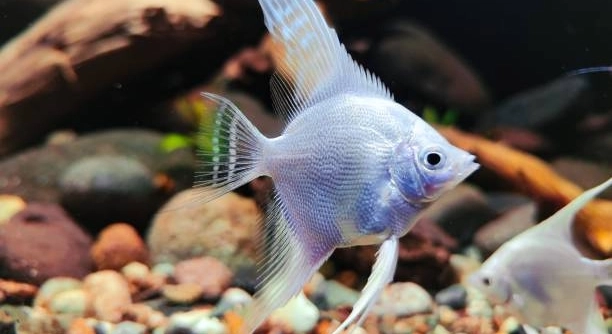
Angelfish tanks can be a beautiful addition to your home, but maintaining a healthy environment is key to keeping your fish happy. Many factors can affect the well-being of your angelfish, including tank setup and care habits.
There are several common mistakes that can harm your angelfish and upset the balance of your aquarium. Overfeeding, incompatible tankmates, poor water quality, and neglecting tank maintenance are just a few examples that can lead to significant health issues.
By avoiding these mistakes, you can create a thriving and peaceful environment for your angelfish. Understanding these key points will help ensure your fish remain healthy and vibrant in their tank.
Overfeeding Your Angelfish
Overfeeding is one of the most common mistakes made by aquarium owners. While it may seem harmless, excessive food can cause a build-up of waste in the tank, leading to poor water quality. Angelfish have small stomachs and only need a small amount of food once or twice a day.
When you overfeed, the leftover food decays, increasing ammonia levels in the water. This creates a harmful environment for your fish. The excess nutrients can also cause algae blooms, which further degrade water quality. A tank with poor water conditions stresses out angelfish, making them more susceptible to diseases.
To avoid overfeeding, it’s best to feed your angelfish only what they can consume in a few minutes. Remove any uneaten food after feeding, and monitor their weight and health. By providing a balanced feeding routine, your angelfish will remain healthy, and your tank will be cleaner.
Using Incompatible Tankmates
Adding the wrong tankmates can lead to stress or aggression in your angelfish. Certain species may not get along with angelfish and can disrupt the harmony of the tank.
Fish that are too aggressive or territorial can harm your angelfish. It’s crucial to choose peaceful species that won’t compete for space or food. Tankmates should be similar in size to avoid bullying. Additionally, overcrowding the tank can cause tension among the fish. A calm, well-balanced environment is essential for angelfish health.
Poor Water Quality
Angelfish thrive in clean, well-maintained water. Poor water quality is a leading cause of stress and disease. It’s essential to monitor the water regularly, checking for harmful levels of ammonia, nitrites, and nitrates. A good filtration system and regular water changes help maintain a stable environment.
Without proper filtration and water changes, toxins quickly build up. This can lead to sick or stressed fish, which often show signs like faded colors, lethargy, or fin damage. Regular water changes, ideally once a week, ensure that your angelfish stay in a safe and healthy environment.
To keep the water quality stable, invest in a high-quality filter and avoid overfeeding, which can increase waste. A good practice is to test the water before each change, adjusting conditions as needed to keep your fish in optimal health.
Neglecting Tank Maintenance
Neglecting basic tank maintenance can quickly cause problems for your angelfish. Regular cleaning of decorations, filters, and the substrate helps prevent excess waste and algae build-up. If you let things go too long, the tank becomes a breeding ground for harmful bacteria.
A clean tank not only improves water quality but also keeps your angelfish more active and healthy. Using a siphon to remove debris from the substrate is essential, as is cleaning the filter regularly to prevent clogging. A spotless environment reduces stress and prevents the spread of diseases.
Check the tank’s equipment regularly for wear and tear. A faulty filter or heater can disrupt the tank’s balance, leading to health problems for your fish. Routine maintenance ensures everything runs smoothly and keeps your tank in top shape.
Incorrect Tank Size
Choosing the wrong tank size for your angelfish can create stress. A tank that’s too small will quickly become overcrowded, leading to poor water quality and limited swimming space. Angelfish need room to grow and explore.
A tank that’s at least 20 gallons is ideal for a small group of angelfish. Too little space can lead to territorial disputes and stunted growth. Overcrowding increases waste, affecting water quality. Larger tanks are easier to maintain and provide a healthier environment.
Having the right tank size is essential for your angelfish’s long-term well-being. It promotes healthy growth and reduces the risk of diseases caused by stress.
High Water Temperature
Angelfish are tropical fish and prefer a stable water temperature. High water temperatures can cause stress and lead to breathing problems. It’s important to monitor the water to keep it within the ideal range of 76-82°F (24-28°C).
Water that’s too warm can also lower oxygen levels, making it harder for your fish to breathe. High temperatures also increase the likelihood of algae growth, which can affect water quality. A stable temperature is key to preventing these issues.
Invest in a reliable thermometer and heater to maintain the proper temperature. By keeping the water at the right level, your angelfish will stay healthy and active.
Harsh Substrate
Substrate material can affect the health of your angelfish. Sharp or jagged rocks can injure their delicate fins. It’s important to choose a substrate that’s gentle and safe for your fish.
Soft, smooth gravel or sand is recommended for angelfish tanks. These materials allow for easy cleaning and won’t pose a risk to your fish. Harsh substrates can also trap waste, making it harder to maintain clean water.
Always choose a substrate that promotes a safe and healthy environment for your angelfish. This small detail makes a big difference in their comfort and well-being.
FAQ
How often should I feed my angelfish?
Angelfish should be fed once or twice a day, but only as much as they can consume in a few minutes. Overfeeding leads to poor water quality and can harm your fish. It’s important to remove any leftover food after feeding to prevent decay in the tank.
What is the ideal tank size for angelfish?
The ideal tank size for a small group of angelfish is at least 20 gallons. Angelfish need space to swim and grow. A tank that’s too small can lead to overcrowding, poor water quality, and stress. Larger tanks are easier to maintain and provide a healthier environment for your fish.
Can I keep multiple angelfish together?
Yes, angelfish can be kept together, but it’s important to have enough space in the tank. A group of three or more works best to avoid territorial behavior. However, be mindful of any aggressive tendencies, especially during breeding periods.
What kind of tankmates are best for angelfish?
Peaceful fish, such as tetras, gouramis, and Corydoras catfish, make good tankmates for angelfish. Avoid fish that are too aggressive or too small, as angelfish may see them as food. It’s also important to ensure the tankmates can tolerate similar water conditions to angelfish.
Do angelfish need a filter?
Yes, angelfish require a filter to keep the water clean and oxygenated. A strong filtration system helps maintain water quality by removing waste and debris. Regular water changes are also essential to ensure a healthy environment for your fish.
What water temperature is best for angelfish?
Angelfish prefer water temperatures between 76°F and 82°F (24°C to 28°C). Keeping the water within this range promotes healthy growth and reduces stress. A reliable aquarium heater and thermometer are essential to maintaining a stable environment.
How do I know if my angelfish is stressed?
Signs of stress in angelfish include faded colors, loss of appetite, hiding, or rapid gill movement. Poor water quality, overcrowding, or incompatible tankmates can all contribute to stress. Regular water testing and observing your fish will help you identify problems early.
Can angelfish live with other species of fish?
Yes, angelfish can live with other species, but the tankmates must be compatible. Small, peaceful species work best, while aggressive or fast-swimming fish can stress out angelfish. Choose tankmates that are not overly territorial or likely to bully your angelfish.
What should I do if my angelfish gets sick?
If your angelfish shows signs of illness, such as unusual swimming behavior, faded colors, or spots on their body, first check the water quality. Poor water conditions often cause stress-related illnesses. If the issue persists, consider isolating the sick fish in a quarantine tank and seeking advice from a vet or aquarium expert.
Can I use tap water for my angelfish tank?
Yes, tap water can be used, but it must be conditioned to remove chlorine and chloramine. These chemicals are harmful to fish. Use a water conditioner specifically designed for aquariums to ensure your tap water is safe for your angelfish.
How often should I clean the tank?
A general cleaning routine includes weekly water changes, removing any debris, and cleaning the filter every 4-6 weeks. It’s also important to remove excess algae and clean the decorations regularly. A clean tank promotes a healthy environment for your angelfish.
What is the best substrate for angelfish?
The best substrate for angelfish is soft, smooth gravel or fine sand. Avoid sharp or jagged rocks, as they can injure your fish. Smooth substrates also help keep the tank clean by preventing waste from getting trapped, making it easier to maintain water quality.
Why is my angelfish not eating?
If your angelfish isn’t eating, it could be stressed due to poor water quality, changes in the tank environment, or incompatible tankmates. Ensure the water temperature is stable, and the food provided is appropriate. If the problem persists, consider isolating the fish to monitor their health.
How can I breed angelfish?
To breed angelfish, provide a well-maintained tank with clean water and plenty of space. A pair of angelfish needs a flat surface, such as a rock or leaf, to lay their eggs. Maintain stable water temperatures and water quality, and separate the parents from the eggs after they are laid to prevent them from eating the eggs.
How do I prevent my angelfish from becoming aggressive?
Aggression in angelfish can be reduced by providing enough space and avoiding overcrowding. Keep peaceful tankmates and make sure there are hiding spots and territories for the fish. Avoid keeping multiple males in the same tank to prevent territorial disputes.
Can I keep angelfish with shrimp or snails?
Yes, angelfish can live with shrimp and snails, but be cautious. Angelfish may see smaller shrimp as food, especially during breeding times. Snails are generally safe, but some species of snails may breed excessively, creating an overpopulation issue.
Final Thoughts
Taking care of angelfish involves more than just providing food and water. It’s essential to set up the right environment that caters to their specific needs. A spacious tank, the correct water temperature, and a peaceful atmosphere are key elements in ensuring your angelfish thrive. Regular water testing and maintenance will keep the tank clean and healthy. By paying attention to these basics, you’ll reduce the risk of stress and diseases.
Choosing compatible tankmates is just as important as setting up the tank. Angelfish tend to be peaceful but can show territorial behavior, especially during breeding. Keeping them with calm, non-aggressive fish will help maintain harmony in the tank. Always ensure your tankmates are not too small, as angelfish might see them as potential prey. It’s important to do research on the other species you’re considering to ensure a balanced, stress-free environment for your fish.
Remember that each angelfish is unique, and their care might slightly vary depending on their individual needs and the environment they are in. While these guidelines will help you create a healthy and stable tank, observing your angelfish closely will allow you to spot any issues early. Regular maintenance, monitoring water quality, and understanding your fish’s behavior will help keep your angelfish happy and healthy for years to come.

Hello,
If you enjoy the content that we create, please consider saying a "Thank You!" by leaving a tip.
Every little bit helps us continue crafting quality advice that supports the health, happiness, and well-being of pets around the world, for pets of all shapes, sizes, and species.
We really appreciate the kindness and support that you show us!