
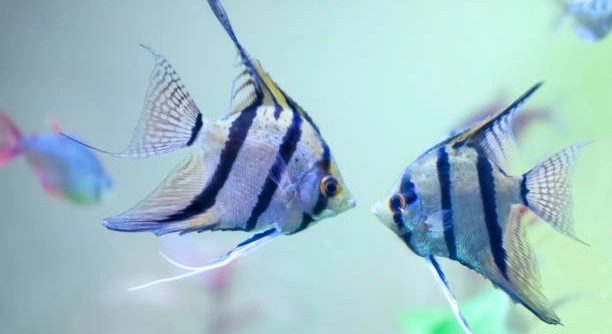
Sometimes, angelfish may be observed staying at the bottom of the tank. This behavior can be unsettling for aquarium owners, especially when they are not sure why their fish is acting this way. Several factors may contribute to this.
Angelfish may stay at the bottom for various reasons, including poor water quality, stress, illness, or improper tank conditions. Other factors like temperature fluctuations, lack of food, or incompatible tank mates can also cause this behavior.
Understanding the causes behind this behavior will help you address the issue and maintain a healthy environment for your angelfish.
Poor Water Quality
Angelfish, like most fish, are sensitive to water quality. If your tank’s water is polluted with ammonia, nitrites, or nitrates, it can lead to stress, making the fish feel uncomfortable. This stress can cause them to retreat to the bottom of the tank, avoiding movement and staying in a more sheltered spot.
Ensure that the water is regularly tested and cleaned. A proper filtration system is essential for maintaining clear water and proper chemical balance. Water changes should be performed at least once a week to keep the environment stable for your angelfish.
If water quality is consistently poor, it could lead to long-term health problems. It’s also important to check the temperature and pH level, as these should be kept within the range suitable for angelfish. Regular monitoring of these factors can prevent stress and promote active behavior from your fish.
Illness or Injury
A sick or injured angelfish may also spend more time at the bottom.
Fish that are unwell often act differently. Illnesses like ich or fin rot can cause lethargy, and angelfish may hide at the bottom as they try to heal. Injuries from fights or tank mates could also make them more likely to stay stationary.
Proper treatment and care, including isolating the sick fish if needed, can help with recovery. Identifying any signs of illness or injury early is key to treating the issue. If you see any abnormal symptoms, consulting with a vet or an aquarium expert is advised.
Stress from Tank Mates
Sometimes, the other fish in your tank could be stressing out your angelfish. If the tank mates are too aggressive or territorial, your angelfish may retreat to the bottom as a way to avoid confrontation.
Angelfish are peaceful, but they can become stressed if they feel threatened by their tank mates. This could happen if you have species that are known to be aggressive or overly active. Keep an eye on any aggressive behaviors and consider separating incompatible fish.
If you notice that certain fish are picking on the angelfish, it’s best to rearrange the tank layout. This may help reduce territorial behavior and allow all fish to feel safer in their space. Ensuring that your angelfish has a quiet, peaceful environment is key to promoting healthier behavior.
Improper Tank Conditions
An angelfish’s environment needs to be stable for them to thrive. If the water temperature is too low, or the lighting is off, it can lead to discomfort, causing the fish to retreat to the bottom of the tank.
Check that the water temperature stays between 75°F and 80°F (24°C – 27°C) for optimal health. A heater with a thermostat can help maintain a consistent temperature. Also, make sure that the lighting isn’t too harsh. Fish, including angelfish, can get stressed with constant bright light.
Angelfish are more likely to stay at the bottom if they feel that something in their environment is off. Monitoring water quality, temperature, and lighting will help ensure your angelfish remains comfortable and active. Creating a stress-free environment will encourage them to swim around more.
Lack of Food or Inadequate Diet
If your angelfish isn’t eating enough or isn’t getting the right kind of food, it can lead to sluggishness and time spent at the bottom of the tank. This is often a sign of hunger or dietary deficiencies.
Ensure that you’re feeding your angelfish a balanced diet that includes high-quality pellets, flakes, and occasional live or frozen foods. Overfeeding can also cause uneaten food to pollute the water, which can further stress the fish.
Make sure your fish is being fed at least once or twice a day. If your angelfish continues to stay at the bottom despite regular feeding, it might be a sign of another issue.
Tank Size and Space
Angelfish need plenty of space to move around. If your tank is too small, your fish might feel cramped and stressed, causing them to stay at the bottom more often.
Inadequate tank space can also lead to territorial issues, especially if you have multiple angelfish. Providing enough room helps prevent overcrowding and allows the fish to move freely, reducing stress.
A tank of at least 30 gallons is recommended for angelfish. If you have a smaller tank or too many fish, it’s worth considering upgrading or reconfiguring the tank to give your angelfish more room to swim.
Water Temperature Fluctuations
Angelfish are sensitive to sudden changes in water temperature, which can lead to them retreating to the bottom.
Consistent temperature is vital for their health. If there’s a fluctuation, it can cause stress and make your angelfish uncomfortable. Keeping the water temperature stable within the recommended range will prevent this behavior.
If you notice that your angelfish frequently stays at the bottom, check your heater to ensure it’s functioning properly.
FAQ
Why does my angelfish stay at the bottom all the time?
If your angelfish is constantly staying at the bottom, it could be due to several factors. Poor water quality, stress from tank mates, illness, or improper tank conditions can all contribute to this behavior. Make sure the water is clean, the temperature is stable, and the fish aren’t stressed by their environment or other fish. If your angelfish continues to stay at the bottom despite addressing these issues, it might be a sign of a health problem. Consider observing the fish closely for any other signs of illness.
How can I tell if my angelfish is sick?
Sick angelfish may show a variety of symptoms, including lethargy, discoloration, clamped fins, or abnormal swimming behavior. If your angelfish stays at the bottom and shows no interest in food, it could be a sign of illness. In some cases, you may also notice signs of physical damage, like torn fins or lesions. If you suspect your angelfish is sick, it’s best to isolate it in a quarantine tank and treat it according to the symptoms. Consulting with a fish expert or vet is always a good idea for proper diagnosis and treatment.
Can angelfish live with other fish?
Angelfish can generally live with other peaceful fish. However, they are territorial and may become aggressive towards smaller or more passive fish. If tank mates are constantly disturbing your angelfish or making it feel threatened, it might retreat to the bottom. Be mindful of the species you pair with angelfish to avoid unnecessary stress. Fish like tetras, guppies, and gouramis usually get along well with angelfish. Avoid aggressive species like cichlids or fast-moving fish that might stress your angelfish.
How can I improve the water quality for my angelfish?
Maintaining good water quality is essential for the health of your angelfish. Regular water changes are key, ideally 25% to 30% of the water every week. Make sure your filtration system is adequate for the tank size and is properly maintained. Test the water regularly for ammonia, nitrite, and nitrate levels. Keeping the water clean and free of toxins will help reduce stress and encourage natural behaviors in your angelfish. Adding live plants can also help absorb excess nutrients, providing a more stable environment.
How can I tell if my angelfish is stressed?
Angelfish that are stressed may display signs like hiding, staying at the bottom of the tank, or excessive hiding in corners. They might also stop eating or swim erratically. Stress can be caused by poor water quality, overcrowding, aggressive tank mates, or an unsuitable environment. If you notice any of these signs, assess the tank’s conditions. Check the water quality, tank size, and compatibility of tank mates. Addressing these factors can help relieve stress and encourage your angelfish to become more active.
What should I do if my angelfish keeps staying at the bottom?
If your angelfish consistently stays at the bottom, it’s important to first check the water quality. Poor water conditions are often the main reason behind this behavior. Make sure the water temperature is stable, and ensure the fish are not stressed by other tank mates. Also, check for any signs of illness. If you notice any abnormalities like discoloration or swelling, it may be a sign of infection. If the issue persists, it may be helpful to consult an aquarium professional for further advice.
Can water temperature affect my angelfish’s behavior?
Yes, temperature fluctuations can significantly affect an angelfish’s behavior. They prefer water temperatures between 75°F and 80°F (24°C – 27°C). If the temperature drops too low or rises too high, it can stress the fish and cause them to hide or stay at the bottom of the tank. Use a reliable heater with a thermostat to maintain a consistent temperature. Regularly check the temperature with a thermometer to ensure the water remains within the optimal range. Stable water conditions are crucial for your angelfish’s health and comfort.
Should I separate my angelfish if it’s not interacting with other fish?
If your angelfish is consistently staying at the bottom and not interacting with other fish, it could be stressed, sick, or uncomfortable in the current tank setup. If other fish are bullying or intimidating the angelfish, separation might be necessary. Place the angelfish in a quarantine or hospital tank to observe its behavior without the added stress of tank mates. Make sure the tank is appropriately sized and consider reintroducing it to the main tank once it seems healthier and more comfortable.
How often should I feed my angelfish?
Angelfish should be fed once or twice a day. Overfeeding can lead to uneaten food polluting the water, so only provide enough food that the fish can eat within a few minutes. Offering a variety of foods, including flakes, pellets, and occasional live or frozen foods, will help meet their nutritional needs. If your angelfish isn’t eating or staying at the bottom, it may be due to a lack of food or an inappropriate diet. Make sure the food is suitable for angelfish and is offered in reasonable portions.
Why does my angelfish stay at the bottom during the night?
It’s normal for angelfish to stay at the bottom during the night as they rest. However, if they remain at the bottom during the day as well, it could indicate a problem. Make sure the tank conditions are ideal, and the fish are not stressed. If this behavior is only observed at night, it’s likely that your angelfish is simply resting. However, if you see signs of illness or stress, further investigation may be needed.
What should I do if my angelfish is swimming upside down?
If your angelfish is swimming upside down, it could be suffering from a condition called swim bladder disorder. This can be caused by overfeeding, constipation, or an infection. To help your angelfish, stop feeding for a day or two to allow its digestive system to clear. You can also try adding some aquarium salt to help with symptoms. If the problem persists, you may need to isolate the fish in a hospital tank and consult an expert for further treatment options.
Final Thoughts
Angelfish are beautiful and relatively easy to care for, but when they start staying at the bottom of the tank, it can be a sign of underlying issues. It’s important to monitor their behavior closely, as this can help you identify problems early on. Water quality, temperature, diet, and tank mates all play a role in the health of your angelfish. When these factors are in check, your fish should feel comfortable swimming around the tank.
If your angelfish continues to stay at the bottom despite addressing the basic care needs, it’s time to consider other potential causes like illness. Early detection of disease or injury can make a big difference in treatment outcomes. Angelfish are also sensitive to stress, so ensuring a peaceful tank environment with compatible fish is essential. Overcrowding or aggressive tank mates may cause your fish to retreat to the bottom as a form of avoidance.
Ultimately, the goal is to create a stable and safe environment for your angelfish. Regular maintenance, such as water changes, cleaning the tank, and ensuring the proper temperature, will help prevent many of the issues that cause them to behave in unusual ways. If you’ve checked all factors and still see your angelfish staying at the bottom, it’s worth seeking expert advice or consulting with a vet. With a little attention and care, your angelfish should thrive and display their natural, graceful swimming behaviors.

Hello,
If you enjoy the content that we create, please consider saying a "Thank You!" by leaving a tip.
Every little bit helps us continue crafting quality advice that supports the health, happiness, and well-being of pets around the world, for pets of all shapes, sizes, and species.
We really appreciate the kindness and support that you show us!