
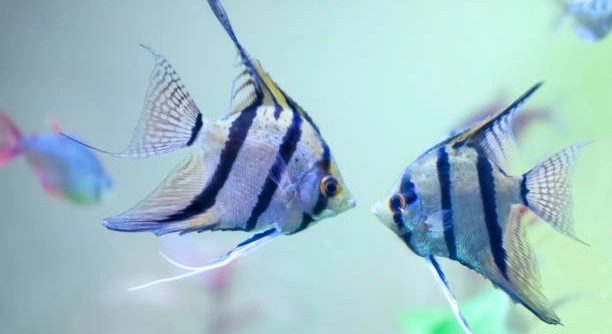
Angelfish are beautiful, peaceful creatures that make a stunning addition to any aquarium. However, keeping them happy and healthy requires more than just basic care. An upgrade to your angelfish tank could improve their living conditions and overall well-being.
If your angelfish tank shows signs of overcrowding, poor water quality, or struggling fish, it may be time for an upgrade. Enhancing the tank size, filtration system, and décor can significantly improve their habitat and health.
Upgrading your tank doesn’t just fix immediate issues; it can prevent future problems and make your tank environment more enjoyable. You’ll find the best options to help your angelfish thrive.
Overcrowding in Your Tank
Angelfish need space to swim freely and establish territories. If your tank is overcrowded, it can lead to stress and health issues for both your fish and plants. Overcrowding increases waste levels, which in turn affects water quality. If you notice aggressive behavior or fish hiding more often, it’s a sign that the tank is too small for the number of fish. When angelfish feel crowded, they are less likely to thrive and will struggle to maintain their natural behaviors. In such conditions, diseases can spread quickly due to the weakened immune system of stressed fish.
A simple solution is to upgrade to a larger tank. This allows your angelfish to swim and interact in a healthier environment.
Investing in a bigger tank not only gives your fish room to grow, but it can also improve filtration efficiency. A larger tank helps in better distribution of waste and reduces the buildup of harmful toxins. With proper space, you’ll see a noticeable improvement in your fish’s activity and health.
Poor Water Quality
Water quality is essential for angelfish health. If your water is frequently cloudy or has an unpleasant odor, it’s time to consider an upgrade. Poor water quality can quickly lead to stress, disease, and even death.
When upgrading, ensure the filtration system can handle the larger volume. A high-quality filter removes waste and keeps the water clean, providing a better environment for your angelfish. A more efficient filter prevents the water from becoming toxic and helps maintain stability in the tank. This change is crucial in keeping your fish healthy and vibrant.
Inadequate Filtration System
An outdated or underpowered filtration system can cause major water issues in your tank. If your filter isn’t doing its job, harmful toxins will build up, leading to a less healthy environment. Poor filtration also makes it harder to maintain proper water conditions for your angelfish, potentially leading to stress or disease.
Upgrading your filtration system improves water quality, helps maintain consistent oxygen levels, and reduces the frequency of water changes. Look for filters designed for larger tanks, as they have more capacity to handle the waste produced by your fish. Better filtration results in cleaner water and healthier fish.
You might also want to consider a filter that provides both mechanical and biological filtration. Mechanical filtration removes debris and particles, while biological filtration breaks down harmful substances like ammonia and nitrites. A quality filtration system can significantly reduce the risk of disease and give your angelfish the clean water they need to thrive.
Lack of Proper Tank Decor
Having minimal tank decor can create a dull and unnatural environment for your angelfish. They thrive in spaces with plants, rocks, and hiding spots to explore and claim as their own. A lack of decor makes your fish feel insecure and may increase stress levels.
Upgrading your tank decor to provide more enrichment gives your angelfish opportunities to interact with their surroundings. Live plants, driftwood, and artificial caves all offer hiding spots and surfaces for fish to swim around. By adding these elements, your angelfish will feel more comfortable and may show more natural behaviors, such as schooling or resting near plants.
Proper decor also improves the aesthetic of your aquarium, creating a more visually pleasing space. It can also help in stabilizing water parameters, as live plants naturally absorb nutrients, which improves water quality and reduces algae growth.
Insufficient Lighting
Proper lighting is crucial for both the health of your angelfish and the growth of live plants. Inadequate lighting can lead to stress and poor plant growth. If your tank looks too dim or unnatural, it’s time to think about an upgrade.
Upgrading your lighting system provides the right balance of light for your plants and fish. It ensures your angelfish get enough light to stay active and healthy while encouraging plant growth. Consider LED lights, which are energy-efficient and customizable to meet the needs of your tank. This small change can make a big difference in the overall health of your aquarium.
Poor Tank Size for Angelfish
Angelfish grow quite large and need plenty of space to thrive. A tank that’s too small can cause them stress and stunt their growth. The general rule is to have at least 20 gallons for the first angelfish, with an additional 10 gallons for each one after that.
A larger tank allows your angelfish to swim freely and maintain their health. It also helps in reducing waste buildup, which can lead to toxic water conditions. With more room, your fish will have a better quality of life, and you’ll have a much easier time maintaining stable water parameters.
Incompatible Tankmates
Having the wrong tankmates can stress out your angelfish. Aggressive species can chase them, making them anxious and even hurting them. Always ensure that your tankmates are peaceful and similar in size.
Some fish, such as tetras, corydoras, and gouramis, are ideal companions for angelfish. These peaceful species will not compete for territory or food, and they won’t cause aggression. Be mindful of your tank’s social dynamics to ensure a harmonious environment where your angelfish feel safe and comfortable.
FAQ
How do I know if my angelfish need a bigger tank?
If your angelfish are constantly hiding, seem stressed, or show signs of aggression, your tank might be too small. You should also watch for unusual behavior like swimming in tight spaces or fighting with tankmates. If there’s a noticeable increase in waste or the water quality deteriorates quickly, these are signs that your fish need more space to thrive.
Angelfish should have at least 20 gallons for one fish, with an additional 10 gallons for each additional fish. A larger tank not only gives them more room to swim but also helps maintain water quality. When you notice these signs, it’s time to consider upgrading to a larger tank.
What is the best filtration system for an angelfish tank?
The best filtration system for an angelfish tank should be powerful enough to handle the tank’s size while providing both mechanical and biological filtration. Look for a filter rated for a tank at least one size bigger than yours to ensure it can handle the waste load.
Canister filters or hang-on-back filters are popular choices because they provide strong filtration and are easy to maintain. They also ensure proper water flow, which is crucial for keeping the water oxygenated and free from harmful toxins. Be sure to clean and replace the filter media regularly to keep it functioning properly.
Why is my angelfish hiding all the time?
If your angelfish are hiding all the time, it could be due to stress or poor water conditions. Stress can be caused by overcrowding, incompatible tankmates, or even a lack of hiding spots. Angelfish are peaceful fish, but they can become nervous if they feel threatened.
Check your tank for aggressive tankmates, as well as overcrowding. Make sure your fish have places to hide, like plants, rocks, or decorations. Also, ensure the water temperature and quality are ideal for your angelfish, as poor water conditions can make them more reclusive. A more suitable tank environment will encourage your fish to be more active.
How often should I change the water in my angelfish tank?
Water changes are crucial for maintaining a healthy tank. Ideally, you should change 25-30% of the water every 1-2 weeks. This helps remove excess nutrients, toxins, and waste that accumulate over time.
In larger tanks with better filtration, you may need to change the water less frequently. However, in smaller tanks or tanks with poor filtration, more frequent changes may be necessary. Always check water parameters, like ammonia, nitrite, and nitrate levels, to determine if more frequent water changes are required.
Can I keep multiple angelfish together?
Yes, angelfish can live together, but you need to provide a large tank and ensure there’s enough space for each fish. Overcrowding can lead to territorial disputes and stress, so make sure your tank is large enough to accommodate more than one angelfish.
It’s also a good idea to introduce angelfish to the tank at the same time, so they can establish territories. Male angelfish can be more territorial, so keeping a balanced ratio of males and females can help minimize aggression. Be mindful of their behavior and be ready to separate them if necessary.
What is the ideal temperature for an angelfish tank?
Angelfish thrive in water temperatures between 76°F and 82°F (24°C to 28°C). Keeping the water within this range ensures that your fish stay comfortable and healthy. If the temperature fluctuates too much, it can cause stress and weaken their immune system, making them more prone to diseases.
Invest in a reliable aquarium heater and thermometer to maintain a consistent temperature. Avoid placing the tank in areas with temperature extremes, such as near windows or air conditioning units. Consistent warmth will keep your angelfish active and help them grow properly.
Do angelfish require live plants?
While angelfish don’t require live plants, they can benefit greatly from having them in their tank. Live plants help improve water quality by absorbing excess nutrients and providing oxygen. They also give your angelfish places to hide, rest, and explore, which helps reduce stress.
Some good plant choices for angelfish tanks include Java fern, Anubias, and Amazon sword plants. Just be sure the plants are compatible with your tank setup and won’t outgrow the space. Additionally, plants can help create a more natural, attractive environment for both your fish and you.
How do I know if my angelfish are healthy?
Healthy angelfish are active, swim freely, and exhibit bright, vibrant colors. They should have clear eyes and smooth, well-formed fins. If your angelfish are healthy, they will also eat regularly and have no visible signs of disease, such as white spots, frayed fins, or bulging eyes.
If you notice changes in their behavior, such as lethargy, loss of appetite, or unusual swimming patterns, it’s a sign that something may be wrong. Check your water parameters and look for any signs of illness. Early detection can help you address health issues before they become serious.
Final Thoughts
Upgrading your angelfish tank can seem like a big decision, but it’s one that’s well worth considering if you want to ensure your fish remain healthy and thrive in their environment. A proper tank setup, with the right size, filtration, and décor, can make all the difference in the quality of life for your angelfish. By paying attention to their needs and observing any signs of stress or discomfort, you’ll be able to provide them with the best possible home.
It’s important to understand that angelfish require space to grow and swim freely. If you notice any signs of overcrowding or poor water quality, upgrading your tank is an essential step in creating a more comfortable environment. A larger tank will not only provide your fish with room to swim, but it will also make it easier to maintain better water quality, helping to reduce the risk of disease and stress. Along with a more efficient filtration system, the right tank size ensures your angelfish have the environment they need to live a long and healthy life.
Remember, angelfish are peaceful, social creatures that thrive in a well-maintained and properly balanced aquarium. By providing them with suitable tankmates, plants for hiding, and the right water conditions, you’ll create a happier and healthier space for them to flourish. Upgrading your tank and making the necessary adjustments to their environment will result in more vibrant, active fish and an overall better aquarium experience. Taking these steps will not only improve the health of your angelfish but also enhance the beauty of your tank, making it a more enjoyable and fulfilling hobby for you.

Hello,
If you enjoy the content that we create, please consider saying a "Thank You!" by leaving a tip.
Every little bit helps us continue crafting quality advice that supports the health, happiness, and well-being of pets around the world, for pets of all shapes, sizes, and species.
We really appreciate the kindness and support that you show us!