
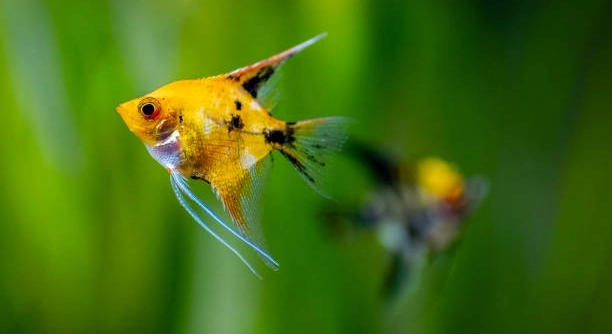
Angelfish are beautiful and popular aquarium pets, but when they stop eating, it can be concerning for owners. Understanding why your angelfish might be losing its appetite can help you address the issue effectively.
The main reasons for a loss of appetite in angelfish are stress, poor water quality, illness, or changes in their environment. Each of these factors can impact their overall health, leading to a reduced interest in food.
Identifying the root cause early can help improve their diet and health. Let’s explore the factors contributing to their lack of appetite and what steps you can take to get them eating again.
Stress and Anxiety
Stress is one of the most common reasons your angelfish might lose its appetite. They are sensitive creatures, and even small changes in their environment can cause them to feel anxious. New tank mates, sudden temperature changes, or loud noises can all trigger stress. If your angelfish feels threatened, it may refuse to eat, as its body goes into survival mode. Other signs of stress include erratic swimming, hiding, and color fading.
The more stable and calm their environment, the better they will feel and eat.
You can reduce stress by keeping their tank quiet, adding plants for hiding spaces, and introducing new fish slowly. Monitoring water conditions regularly will help too, as poor water quality can make your angelfish anxious. If your tank is overcrowded or if there’s too much movement, it’s time to make adjustments. Consider setting up a separate tank for new arrivals to help your angelfish feel safe. Reducing stress can make a big difference, encouraging your fish to eat again.
Poor Water Quality
Poor water quality is a major factor that can cause your angelfish to lose interest in food. When the water in their tank becomes dirty or imbalanced, it can lead to unhealthy conditions for the fish. This can happen if ammonia or nitrate levels are too high or the pH is off. Dirty water affects the overall well-being of your angelfish and may cause them to stop eating as a way to cope. Regular water changes and monitoring water parameters can keep your tank healthy.
Testing the water regularly and ensuring it stays within the proper range is key. Dirty filters or excess food debris can cause water quality to drop quickly. A tank that’s too small or overcrowded can also contribute to poor water conditions. To avoid these issues, invest in a quality filtration system, and clean the tank regularly. Fresh, clean water helps maintain your angelfish’s health and appetite.
Illness or Disease
When angelfish are sick, their appetite often decreases. Illness can range from internal parasites to bacterial infections. If your fish is lethargic, showing abnormal behavior, or has visible signs like faded coloring or bloating, it might be unwell. If these symptoms appear, it’s important to act quickly.
Some diseases, such as dropsy, can cause fish to lose their appetite. Internal parasites, which affect the digestive system, may also lead to decreased feeding. To prevent further health issues, it’s best to isolate the sick fish and treat the tank with medication. Be mindful of the food you offer, as high-quality, easily digestible food can help the healing process. Always consult a veterinarian or a fish expert if you suspect illness.
If you notice any drastic changes in behavior or physical appearance, prompt action can help save your angelfish from more serious health problems. Keep the tank clean and ensure water quality is stable. Checking their tankmates for signs of disease may also prevent the spread of illness.
Overfeeding or Underfeeding
Overfeeding or underfeeding your angelfish can negatively impact their appetite. Overfeeding leads to uneaten food rotting at the bottom of the tank, which causes water quality issues. On the other hand, underfeeding may leave your angelfish hungry and stressed. Maintaining a proper feeding schedule can prevent both problems.
Feeding your fish small amounts once or twice a day is ideal. Overfeeding can lead to excess waste, which compromises water quality and can cause fish to become inactive or refuse food. Alternatively, underfeeding can cause them to become lethargic and weak, which may reduce their interest in food. Monitor their behavior and adjust portions accordingly. Keeping track of how much food is consumed each time helps you find a balance.
If your angelfish is not eating, evaluate whether you are feeding the right amount and offering high-quality food. Try offering different foods to entice them back to eating, but make sure to keep portions controlled to prevent water contamination.
Temperature Fluctuations
Angelfish are sensitive to changes in water temperature. If the water is too hot or too cold, they may lose their appetite. Consistent temperatures between 75°F and 82°F are ideal for their health and well-being.
Investing in a reliable heater and thermometer will help maintain a stable environment. Temperature shifts, even by a few degrees, can stress your fish, leading to a lack of interest in food. It’s important to regularly check the water and ensure the heater is working properly, especially during colder months. Keeping the temperature stable will help your angelfish feel comfortable enough to eat.
Poor Tank Mates
Aggressive tank mates can make your angelfish feel threatened and stressed, leading to a loss of appetite. It’s essential to choose peaceful companions that won’t cause unnecessary harm or stress.
Adding too many aggressive fish, or even overly active ones, may prevent your angelfish from feeling secure. When your fish is constantly on edge, it may refuse food to avoid interaction. To improve the situation, consider rearranging the tank or moving aggressive fish to a separate tank. Ensuring a peaceful environment is key for your angelfish to eat regularly.
Uneven or Low-Quality Diet
Feeding your angelfish a poor or unbalanced diet can lead to a decrease in their appetite. They need a variety of high-quality food to stay healthy and energized.
Rotating between flakes, pellets, and live food provides the nutrition they need. If their diet is too limited or the food is of low nutritional value, your angelfish may lose interest. Over time, poor food choices can weaken their immune system, leaving them vulnerable to illness. Aim for a balanced diet and switch up their food to keep them engaged and healthy.
FAQ
What should I do if my angelfish won’t eat for a few days?
If your angelfish isn’t eating for a few days, it’s important to check the water quality first. Poor water conditions can cause stress, leading to a loss of appetite. Test the water for ammonia, nitrate, nitrite, and pH levels to ensure they are within the correct range. If the water quality is fine, look for other signs of stress or illness, such as faded colors or unusual behavior. It’s best to separate any fish that might be causing stress. Additionally, try offering a variety of foods to see if they respond better to different options.
How often should I feed my angelfish?
Angelfish should be fed once or twice a day, offering only as much food as they can eat in a few minutes. Overfeeding can result in uneaten food that pollutes the tank. Underfeeding can cause malnutrition or stress. Keeping a consistent feeding schedule helps your fish feel secure and allows you to monitor their eating habits. If your angelfish refuses food for more than a few days, it could signal an underlying issue like water quality problems or illness.
Can stress make my angelfish stop eating?
Yes, stress is a common reason for a loss of appetite in angelfish. Sudden changes in the environment, such as new tank mates, water temperature fluctuations, or loud noises, can cause anxiety and make your fish stop eating. It’s essential to keep their environment as calm and stable as possible. To reduce stress, provide plenty of hiding spots and make sure the tank is not overcrowded. Gradually introduce new fish to the tank, and avoid making too many changes at once.
Could poor water quality be causing my angelfish to stop eating?
Absolutely. Poor water quality is one of the most significant factors that affect an angelfish’s appetite. High levels of ammonia, nitrates, or nitrites, or an improper pH, can make the water unsafe and stressful for your fish. When water conditions are bad, your angelfish may stop eating to cope with the discomfort. Regular water changes and proper filtration are essential for keeping water quality in check. Ensure you test the water frequently and take steps to maintain clean, balanced water conditions.
What should I do if my angelfish is showing signs of illness?
If your angelfish shows signs of illness, such as lethargy, bloating, discoloration, or visible wounds, it’s crucial to act quickly. First, isolate the sick fish in a quarantine tank to prevent the spread of illness. Check the water quality in both tanks and treat the affected fish with appropriate medication. It’s important to identify the type of illness so that you can provide the correct treatment. Offer high-quality food that’s easy to digest to help the fish recover. Consulting a veterinarian or fish expert may be necessary for severe conditions.
How do temperature changes affect my angelfish’s appetite?
Angelfish are sensitive to temperature fluctuations. Water that’s too hot or too cold can cause stress and lead to a loss of appetite. Ideal water temperature for angelfish is between 75°F and 82°F. Temperature drops or increases of even a few degrees can disrupt their behavior and make them stop eating. To avoid this, ensure your tank has a reliable heater and thermometer. Keeping the temperature stable will help your angelfish stay comfortable and encourage them to eat regularly.
Can aggressive tank mates affect my angelfish’s eating habits?
Yes, aggressive tank mates can cause your angelfish to feel threatened and stressed, which may result in a loss of appetite. Angelfish are peaceful and can be intimidated by more aggressive fish. If your tank has bullies that are constantly chasing or nipping at your angelfish, it could be a significant cause of their reluctance to eat. Rearranging the tank or moving aggressive fish to a separate tank can help reduce stress. Providing hiding spaces for your angelfish will also make them feel more secure and encourage eating.
How can I tell if my angelfish is overfed?
Overfeeding can lead to uneaten food accumulating in the tank, which affects water quality and can make your angelfish stop eating. Signs of overfeeding include excessive waste, water cloudiness, and bloating in your fish. To prevent overfeeding, offer small amounts of food that your fish can consume within a few minutes. If your angelfish is not eating everything, reduce the amount of food. If you see uneaten food in the tank after feeding, remove it to avoid water contamination. Keeping a feeding schedule and monitoring their appetite will help you avoid overfeeding.
What should I do if my angelfish won’t eat the food I offer?
If your angelfish refuses the food you offer, try switching things up. Offer different types of food, such as flakes, pellets, or live food like brine shrimp. You may also want to try soaking the food to make it easier to digest. Sometimes, angelfish may be more interested in fresh or frozen foods compared to dry options. If your fish still refuses food, consider checking the water parameters and assessing their behavior for signs of stress or illness. If the problem persists, it may be necessary to seek expert advice.
How can I improve my angelfish’s diet?
Improving your angelfish’s diet involves offering a balanced variety of food. Provide high-quality flakes or pellets as a base and supplement with live or frozen foods, such as brine shrimp, daphnia, or bloodworms. These foods provide essential nutrients that your angelfish need to stay healthy and active. Avoid feeding them too much of the same food repeatedly, as this can lead to nutritional deficiencies. A diverse diet will keep your fish interested in eating and ensure they get the vitamins and minerals they need for overall well-being.
Final Thoughts
If your angelfish is losing its appetite, it’s essential to carefully consider several factors that might be at play. The most common reasons for appetite loss include stress, poor water quality, and illness. Stress can come from changes in the tank environment, new tank mates, or sudden temperature shifts. Keeping the tank calm and stable can help reduce stress, encouraging your fish to feel safe enough to eat. Similarly, maintaining clean, balanced water conditions is crucial for your angelfish’s health and appetite. Regular water changes, proper filtration, and monitoring water parameters will go a long way in preventing problems. When water quality is poor, it can lead to stress and health issues, causing your fish to stop eating.
Another important factor to consider is the diet you are providing your angelfish. Offering a variety of foods is key to making sure your fish stay interested in eating. A poor or monotonous diet may cause them to lose interest in food. Make sure you are feeding your angelfish high-quality flakes, pellets, or live food to meet their nutritional needs. Overfeeding can be just as harmful, as it can lead to water quality issues and stress. It’s important to provide the right amount of food at regular intervals to avoid this. Keep track of what your angelfish eats and adjust the portion sizes accordingly.
Finally, if your angelfish continues to refuse food despite addressing these factors, illness might be the cause. In this case, it’s essential to isolate the sick fish and treat the tank as necessary. Keeping an eye on their behavior and physical appearance is vital for identifying health problems early. While it can be alarming when your angelfish stops eating, most of the time, it’s related to environmental or diet-related issues that can be fixed with attention and care. By staying vigilant and making the right adjustments, you can help your angelfish get back on track and ensure their long-term health and happiness.

Hello,
If you enjoy the content that we create, please consider saying a "Thank You!" by leaving a tip.
Every little bit helps us continue crafting quality advice that supports the health, happiness, and well-being of pets around the world, for pets of all shapes, sizes, and species.
We really appreciate the kindness and support that you show us!