
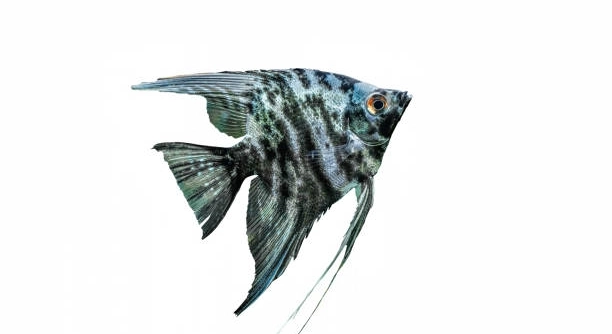
Do you ever find yourself noticing how your angelfish seem more active or shy depending on which tank light is on?
Angelfish react differently to certain tank lights due to a combination of factors including light intensity, spectrum, and duration. These environmental cues can influence their behavior, stress levels, and overall health.
Light choice can impact everything from their swimming patterns to how well they adjust to their surroundings.
Light Intensity Can Affect Behavior
Some angelfish are more sensitive to bright lighting. If the tank light is too strong, they may become skittish or hide more often. On the other hand, low lighting can make them feel safer and encourage calm swimming. Bright lights might mimic open water, which can make angelfish feel exposed and uneasy. This can lead to changes in how they eat, swim, or interact with other fish. Since angelfish are naturally found in shaded waters, too much artificial light can feel unnatural. If they seem stressed, adjusting the brightness could help. You might notice improvements just by dimming the lights a little or adding floating plants to reduce glare. The light level you choose plays a big role in creating a comfortable space for your angelfish. Always watch their reactions after any lighting change, as this can tell you a lot about their comfort level.
Some angelfish thrive under moderate light, while others prefer dimmer settings based on their past experiences or individual traits.
Over time, you may see a pattern. If your angelfish always hides when the lights are on full strength, it’s likely a sign that the brightness is too much. On the other hand, if they swim freely and seem active, your setup may be just right. Try making small changes first before deciding on a long-term lighting setup. You can also try using lights with adjustable brightness to fine-tune what works best. Each fish may respond a little differently. Keeping a calm, low-stress environment through proper lighting can make a big difference in how they behave each day.
Color Spectrum Plays a Role
Certain colors in your tank lights can bring out different reactions in your angelfish. Blues and reds may calm them, while white light can make them more alert.
Angelfish come from murky, plant-heavy waters where natural light is filtered by leaves and water depth. This means they are more used to greenish or reddish hues rather than bright white or blue LED lighting. While some tanks use full-spectrum lights to show off colors better, not every fish reacts well to these. A light that appears beautiful to you may be too harsh for them. Warmer light tones, such as soft yellow or red, may create a more relaxed atmosphere and reduce stress. This helps angelfish feel safer, especially when they’re adjusting to a new tank or recovering from illness. On the flip side, cold white or bluish lights might lead to pacing, hiding, or even aggression in some fish. Try switching between light colors if your angelfish seems uncomfortable. You don’t always need to buy new equipment—many modern tank lights let you adjust color with a remote or app. Watching your fish’s body language can help you understand what kind of lighting feels most natural to them.
Tank Light Duration Matters
Too much light can stress angelfish, while too little can affect their natural rhythms. A balanced light schedule helps regulate their activity and rest cycles.
Angelfish benefit from a consistent day-night pattern, just like they would in nature. Leaving the lights on for 12 hours or more can disturb their resting periods and may lead to overexposure. On the other hand, very short lighting periods might affect their feeding and social behavior. Aim for 8 to 10 hours of light daily, depending on how your fish respond. Using a timer is a simple way to manage this. It keeps the schedule steady, which reduces stress and confusion for your angelfish. Changes in light timing can also affect plants in the tank, which in turn affects the water quality and the fish’s comfort. Always make lighting changes gradually to avoid sudden shifts in behavior.
When angelfish experience irregular lighting, they may act restless or stay hidden more often. Some may even lose interest in food or start nipping at tank mates. These are signs that their body clock is out of sync. A predictable light routine encourages healthier habits and better interaction. If you’re unsure about your current schedule, try writing down the light times and noting any behavior shifts. This will help you find the best timing for your setup. Once you identify the right range, your angelfish will become more consistent in behavior. Their comfort often improves when the lighting follows a steady pattern they can rely on.
Individual Sensitivities Vary
Not all angelfish react the same way to tank lighting. Some are naturally more sensitive and may need extra care when adjusting light settings.
Each angelfish has its own background. Fish raised in dim tanks or shaded environments may be more affected by intense lighting. Others that were bred in bright conditions might show fewer signs of discomfort. Behavior also depends on age and health—older or stressed angelfish might hide more under strong lights. Pay attention to how each one reacts after a lighting change. Some may flare their fins, while others may dart quickly to dark corners. If you notice one angelfish consistently reacting poorly, it might help to create shaded areas using plants or decorations. This gives them control over their exposure. By watching closely and adjusting based on their behavior, you can give each fish the environment it feels safe in. Small changes can make a big difference in their comfort and health.
Stress Levels Can Influence Reactions
When angelfish are already stressed, they tend to be more sensitive to lighting changes. Even minor shifts in brightness or color can make them hide or act out of character.
Stress can come from poor water quality, aggressive tank mates, or loud surroundings. Lighting just adds to the pressure if things are already off.
Recent Environmental Changes
If you recently changed tank decor, added new fish, or shifted the tank’s position, your angelfish may still be adjusting. These changes can make them more sensitive to light, even if the lighting itself hasn’t changed. Their behavior often returns to normal once they feel secure again.
Health Conditions Can Play a Part
Sick or recovering angelfish may react differently to lighting. When they don’t feel well, bright lights can cause extra stress. Dimmer settings may help them rest and recover more comfortably. Watch for slow swimming or dull coloring—both signs something might be wrong.
FAQ
What color light is best for angelfish?
Angelfish tend to thrive under warmer lights like soft yellow, red, or orange. These colors mimic the natural, filtered light they would experience in the wild, where the water softens sunlight. Bright white or blue light can cause stress, making them hide or act more aggressively. If you want to bring out the colors in your angelfish, a light with a warmer spectrum will work better. You can also experiment with LED lights that allow you to change the color, ensuring it matches your angelfish’s needs.
Can angelfish tolerate bright tank lights?
Angelfish can tolerate bright lights in short bursts, but extended exposure can cause stress. Bright lights often make them feel exposed, as they prefer subdued lighting like they would encounter in their natural habitat. If you have bright tank lights, it’s essential to give them a break or use dimmer lights during certain times of the day. Keep an eye on your angelfish’s behavior; if they’re hiding frequently or swimming frantically, the light might be too intense for them.
How long should I keep the tank light on for my angelfish?
Angelfish should have a consistent day-night cycle. The light should be on for about 8 to 10 hours a day, simulating natural light conditions. Too much light can disturb their resting patterns, while too little can affect their appetite and overall activity levels. Using a timer to control the lights helps maintain a regular schedule, which is key for reducing stress. If you notice signs of stress or lethargy, try reducing the light period slightly to see if it makes a difference.
Can I use any type of aquarium light for my angelfish?
Not all aquarium lights are ideal for angelfish. Full-spectrum lights, which show all the colors of the rainbow, may be too harsh for them. Angelfish are more comfortable with softer, warmer light that mimics the natural environment. LED lights are a popular choice, as they are energy-efficient and come in adjustable settings. Fluorescent lights can also be a good option, but make sure the brightness and spectrum are suitable for your fish. Always monitor how your angelfish respond and adjust the lighting as needed.
What should I do if my angelfish is stressed from the tank light?
If your angelfish is stressed due to the tank light, the first step is to adjust the lighting settings. Try dimming the lights or switching to a softer color, such as red or orange, and see how they react. You can also introduce more plants or decorations to create shaded areas where your fish can retreat to when they need a break. It’s also helpful to ensure that your angelfish has a consistent light schedule. If the stress persists, check other factors like water quality, temperature, and tankmates, as stress can often be caused by multiple factors.
Do angelfish need light at night?
Angelfish don’t need light at night and should have a period of darkness to rest. Too much light at night can disrupt their natural sleep cycle and increase stress. It’s important to create a clear day-night cycle in the tank. Turning off the lights at night gives your fish a chance to recover and prepare for the next day. If your tank is in a room with natural light, try to keep it dark during the evening hours to help them maintain their internal rhythm.
Can changing the light affect the health of my angelfish?
Yes, changing the light can affect your angelfish’s health. If the light is too bright, it can cause stress, leading to issues like poor eating habits, erratic swimming, and aggression. On the other hand, too little light can affect their ability to forage or recognize food. Rapid changes in lighting can cause confusion and make your fish feel unsafe. If you’re changing the light settings, do so gradually to avoid overwhelming your angelfish. Always observe their behavior closely after any changes to make sure they’re adjusting well.
Is it okay to use colored lights for my angelfish tank?
Colored lights can be used for your angelfish, but they need to be chosen carefully. Red or orange lights are generally better as they mimic the natural environment angelfish are used to. Blue or green lights, while visually appealing, might be too harsh for angelfish, making them feel uncomfortable. Avoid using colors that are too bright or flashy, as they can trigger stress. If you choose to use colored lights for aesthetic purposes, make sure they don’t shine too brightly, and always observe your fish’s behavior to see how they react.
How do I know if my angelfish is reacting to the tank light?
You can tell if your angelfish is reacting to the tank light by watching for signs of stress. If they start hiding more, swimming erratically, or darting around the tank, the light might be too bright for them. Another sign is if they are not eating or seem lethargic. On the opposite end, if they are constantly swimming near the surface or near the light, it could mean they are adjusting to the change. Keep a close eye on how they behave under different lighting conditions, and make adjustments based on their comfort level.
Should I adjust the light if my angelfish are not eating?
If your angelfish are not eating, lighting could be a contributing factor, especially if it’s too bright or disruptive. Bright lights can stress fish and cause them to lose their appetite. Try dimming the lights or adjusting the spectrum to make the environment more calming. Also, consider giving them a break from the light entirely during feeding times. Some angelfish feel more comfortable eating in low light or with shaded areas around them. If the issue persists, check other aspects of their environment like water quality or tankmate behavior, as these can also affect their appetite.
Can lighting help bring out the colors of my angelfish?
Yes, the right lighting can enhance the natural colors of your angelfish. Angelfish often look their best under lights with a warmer spectrum, such as yellow or red. These colors bring out the vibrancy of their scales without causing stress. Bright white lights or blue lights can make them appear dull or washed out. If you want to showcase the natural beauty of your angelfish, try adjusting the lighting to a softer, warmer tone. Be mindful of the intensity, though, as too much light can still cause discomfort and stress.
When it comes to keeping angelfish in your tank, the lighting you choose plays a bigger role than you might think. Angelfish are sensitive to light, and the way they react to different lighting can affect their behavior, health, and overall well-being. Whether it’s the brightness, the color, or the duration of the light, these factors can all impact how your angelfish interact with their environment. If the light is too harsh, they might feel stressed, hiding more often or becoming less active. On the other hand, dimmer lighting can help create a more comfortable space, where your angelfish can feel secure and more natural. Understanding their response to different lights is key to keeping them happy and healthy.
It’s also important to consider that angelfish, like all creatures, have individual preferences. Some may thrive under certain light conditions, while others might need a different setup to feel comfortable. Their behavior can serve as a guide for you. If they hide when the light is too bright or if they swim more freely under dim light, that’s a sign that you need to adjust the lighting. Over time, by observing how your fish react to changes in the light, you’ll get a better understanding of what works best for them. Every tank setup is different, and there’s no one-size-fits-all approach when it comes to lighting angelfish.
In conclusion, it’s not just about making your aquarium look beautiful; it’s about ensuring your angelfish are comfortable and healthy. Small changes in the light intensity, color, and duration can make a big difference in how your fish behave. Remember, the key to a happy angelfish tank is balance. Try to create a routine that mimics natural conditions as much as possible, and always observe how your fish respond. By doing so, you’ll not only enhance the visual appeal of your tank but also help your angelfish thrive in a healthy and stress-free environment.

Hello,
If you enjoy the content that we create, please consider saying a "Thank You!" by leaving a tip.
Every little bit helps us continue crafting quality advice that supports the health, happiness, and well-being of pets around the world, for pets of all shapes, sizes, and species.
We really appreciate the kindness and support that you show us!