
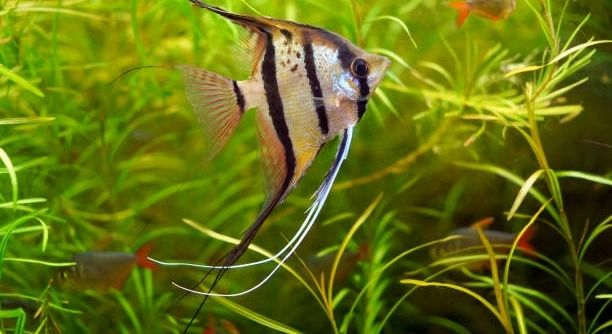
Angelfish are known for their striking beauty and graceful movements. However, when they begin flashing their fins, it can be a cause for concern. This behavior often indicates an underlying issue that should be addressed promptly.
Flashing fins in angelfish can be a sign of various factors, including irritants like water quality issues, parasites, or stress. It’s important to observe the behavior closely and investigate environmental factors to identify the underlying cause and ensure the fish’s well-being.
Understanding why your angelfish is flashing its fins can help you improve their environment. Identifying the cause is key to ensuring their health and comfort.
Water Quality Issues
Angelfish are sensitive to changes in water conditions. Poor water quality can lead to fin flashing, as fish attempt to rid themselves of irritants or parasites. Ammonia, nitrites, and high nitrate levels can all contribute to this behavior. Regular water changes and proper filtration help maintain a healthy environment. Additionally, ensuring the water temperature is stable and within the ideal range for angelfish—between 76°F and 82°F—is crucial for their health.
Even slight fluctuations in water parameters can cause distress to angelfish. To prevent issues, it’s important to monitor water conditions using test kits and act quickly when any imbalance is detected. Regular water changes and ensuring proper filtration will also help keep ammonia levels low and reduce the likelihood of fin flashing.
To maintain healthy water quality, invest in reliable filtration and test your water regularly. Clean the filter as needed and replace the media periodically. Monitoring your fish’s environment is an ongoing process and can prevent further stress.
Stress and Environmental Factors
Stress is a common reason behind fin flashing. Angelfish thrive in environments where they feel secure and comfortable. If they feel threatened, whether from aggressive tank mates or excessive noise, they may exhibit fin flashing as a sign of distress. To avoid this, ensure that your angelfish has a peaceful environment.
Tank mates should be chosen carefully, as aggressive fish can cause anxiety for angelfish. Make sure the tank is large enough to provide enough space for all inhabitants. Additionally, maintaining proper water flow and hiding places can help reduce stress. When angelfish have a place to retreat, they are less likely to feel threatened.
Ensuring a peaceful environment for your angelfish includes limiting stressors that can trigger fin flashing. Proper tank setup, compatible tank mates, and avoiding overcrowding are key to maintaining healthy fish.
Parasites and Infections
Parasites are a common cause of fin flashing in angelfish. External parasites, like ich or flukes, irritate the skin and fins, causing the fish to scratch themselves. These parasites can often be spotted as small, white cysts or lesions on the body or fins. Early detection is key.
To treat parasites, isolate the affected fish if possible. Begin with a salt bath or medicated treatment designed for the specific type of parasite. It’s crucial to maintain good water quality to avoid further infection. Keep an eye on other tank members to ensure they’re not infected as well.
If parasites are identified, act swiftly to treat the infection. Proper care during this period includes keeping the water clean and reducing stress. Fish with parasites may also stop eating, so it’s essential to monitor their health closely. Medications are available, but ensure they’re suitable for your aquarium’s ecosystem.
Overcrowding in the Tank
Overcrowding can also cause your angelfish to flash its fins. Too many fish in a small tank leads to stress and competition for resources like food and oxygen. This results in aggressive behavior and can make the angelfish more prone to displaying discomfort. A suitable tank size is essential.
The recommended tank size for angelfish is 20 gallons for a pair, with an additional 10 gallons for each extra fish. If the tank is too crowded, it increases the likelihood of territorial disputes, which can make fish feel anxious. Ensure the aquarium is properly stocked and filtered.
Monitoring fish behavior and adjusting tank conditions based on their needs can help prevent overcrowding issues. Larger tanks with ample space reduce competition and stress, encouraging more natural behavior. If overcrowding persists, consider rehoming some fish to alleviate the pressure on your angelfish.
Aggressive Tank Mates
Angelfish can become stressed if housed with aggressive tank mates. Fish that constantly chase or nip at them can cause the angelfish to flash its fins. This behavior is often a defense mechanism. Ensuring compatibility between tank mates can reduce this kind of aggression.
Aggressive species, such as certain cichlids or fin-nippers, should be avoided in the same tank as angelfish. It’s important to choose peaceful companions that won’t make the angelfish feel threatened. Even if aggressive behavior isn’t constant, it can still trigger stress, leading to fin flashing.
Poor Diet
A lack of proper nutrition can cause fin flashing. Angelfish need a balanced diet rich in protein and nutrients. If their diet lacks essential vitamins or minerals, it can lead to stress and health problems. Ensure you are feeding a varied, high-quality diet.
To prevent malnutrition, offer a mix of flake food, pellets, and occasional live or frozen foods. This will provide the necessary nutrients for your angelfish to stay healthy. Monitor their condition and adjust their diet accordingly to keep them in optimal health. A well-fed angelfish is less likely to display abnormal behaviors like fin flashing.
Inadequate Water Temperature
Water temperature plays a vital role in the well-being of angelfish. If the water is too cold or fluctuates frequently, angelfish may exhibit fin flashing due to stress. Maintaining a consistent temperature within the ideal range of 76°F to 82°F is essential for their health.
Angelfish are tropical species that require warm, stable water to thrive. A sudden drop in temperature or rapid changes can cause distress. Use a reliable heater to maintain a consistent temperature, and regularly check the water with a thermometer. Keeping the water temperature steady helps avoid stress-induced behaviors.
FAQ
Why is my angelfish constantly rubbing against objects?
Angelfish may rub against objects in the tank to relieve irritation caused by external parasites, such as ich or flukes. This rubbing behavior, also known as “flashing,” is an attempt to dislodge the parasites from their skin and fins. The fish may feel itchy or inflamed due to the parasites. Immediate treatment with medications designed for external parasites, along with proper water quality maintenance, is essential to help the fish recover.
Can poor water quality cause fin flashing in angelfish?
Yes, poor water quality is a common cause of fin flashing. High levels of ammonia, nitrites, or nitrates in the water can irritate the angelfish, leading them to scratch their fins against surfaces. It’s important to monitor water conditions using test kits to detect and address any imbalances. Regular water changes and using a good filtration system will improve water quality and reduce the likelihood of fin flashing due to water issues.
How do I know if my angelfish has parasites?
If your angelfish has parasites, you may notice signs such as rubbing against objects, flashing fins, and abnormal behavior. External parasites like ich will show as small, white cysts on the body or fins. Flukes can cause red, inflamed areas on the skin. A close inspection under good lighting can help you spot these signs. Treating the aquarium with appropriate medication and isolating the affected fish is crucial to prevent the parasites from spreading.
Is flashing a sign of stress in angelfish?
Flashing can be a sign of stress, especially if the angelfish feels threatened by its environment or tank mates. Stress from overcrowding, aggressive fish, or sudden changes in the tank can lead to this behavior. Stress-related flashing often subsides once the source of stress is addressed, such as improving water conditions, increasing hiding spots, or rehoming aggressive tank mates. Ensuring a peaceful, stable environment for your angelfish can help prevent stress-induced fin flashing.
How often should I change the water to prevent fin flashing?
Regular water changes are vital to prevent fin flashing due to poor water quality. Aim to change about 20% to 30% of the tank water every 1 to 2 weeks. In heavily stocked tanks or those with less efficient filtration, more frequent water changes may be needed. Consistent water changes help maintain water quality and reduce stress on the fish, which can alleviate fin flashing caused by poor water conditions.
Can fin flashing be a sign of a more serious illness in angelfish?
Yes, fin flashing can indicate a more serious underlying health issue, such as a bacterial or fungal infection. If the flashing persists despite improving water quality and addressing parasites, it’s essential to check for other symptoms, such as lesions, discoloration, or loss of appetite. Consulting an aquarium veterinarian or using a broad-spectrum antibiotic or antifungal treatment may be necessary if an infection is suspected.
What temperature should the water be for angelfish to avoid fin flashing?
Angelfish are tropical fish that thrive in water temperatures between 76°F and 82°F. If the water temperature falls outside this range, angelfish may become stressed, leading to flashing behavior. Use a reliable heater to maintain a consistent temperature, and check the water regularly with a thermometer. Sudden temperature fluctuations can also cause stress, so it’s important to avoid rapid changes in water temperature.
Are angelfish likely to flash their fins when they are unhappy?
Angelfish may flash their fins as a response to various forms of discomfort, including unhappiness. This could be due to poor water conditions, overcrowding, or incompatible tank mates. Unhappy fish may exhibit other signs of stress, such as hiding, lack of appetite, or erratic swimming patterns. Identifying the source of distress and making necessary adjustments, such as improving water quality or tank conditions, can help alleviate the behavior.
Can fin flashing occur if an angelfish is not getting enough food?
Yes, malnutrition can lead to flashing behavior in angelfish. If they are not receiving a balanced diet, it can cause stress and physical discomfort. Angelfish need a variety of foods, including high-quality pellets, flakes, and occasional live or frozen foods, to maintain their health. An insufficient diet can weaken their immune system and make them more susceptible to parasites, further contributing to fin flashing. Make sure to feed your angelfish regularly with a nutritious and varied diet.
What should I do if my angelfish is flashing its fins and not eating?
If your angelfish is flashing its fins and not eating, it’s likely experiencing stress or illness. First, check the water quality and ensure it is within the optimal range. Look for signs of parasites or infection, and treat the aquarium accordingly. If the flashing and loss of appetite persist, it may be necessary to isolate the fish and consult an aquarium expert or veterinarian for further guidance. Reducing stress in the tank and offering a nutritious diet may help improve their health.
Could overcrowding be the reason for my angelfish flashing its fins?
Yes, overcrowding can cause angelfish to flash their fins. In a crowded tank, angelfish feel more stressed and territorial, leading to aggressive behavior and fin flashing. When tank mates compete for space, food, and oxygen, it increases the chances of anxiety and health issues. To prevent this, ensure your tank is properly sized for the number of fish you have, and regularly monitor stocking levels. Adding hiding places and reducing the number of fish can help alleviate the stress caused by overcrowding.
How long should I quarantine a new angelfish before adding it to my main tank?
Quarantining new angelfish is important to prevent the spread of diseases or parasites to your main tank. It is recommended to quarantine any new fish for 2 to 4 weeks. During this time, monitor for signs of illness or parasites. If no issues arise, the new angelfish can be safely introduced to the main tank. Quarantining helps ensure that any potential health issues are addressed before they affect your other fish.
Final Thoughts
Angelfish flashing their fins is a behavior that can arise from several factors, ranging from stress to parasites. Identifying the cause behind this behavior is important in managing it effectively. Keeping a close watch on your fish’s environment, including water quality, tank mates, and diet, can go a long way in preventing fin flashing. Regular maintenance of water conditions, such as testing for ammonia, nitrites, and nitrates, and making necessary adjustments, helps in creating a stable habitat for your angelfish. Ensuring that the water temperature stays within the optimal range also plays a significant role in keeping your fish healthy and reducing stress-related behaviors like flashing.
Equally important is choosing appropriate tank mates for your angelfish. Aggressive or overly active fish can create stress, leading to flashing behavior. By keeping a peaceful community of fish, you can minimize territorial disputes and stress. Additionally, overfeeding or poor diet can contribute to health issues, which in turn can cause the angelfish to exhibit unusual behavior, including flashing its fins. A balanced, nutritious diet is crucial for maintaining the well-being of your fish, so offering a variety of foods will help ensure they stay healthy and stress-free.
Ultimately, understanding why your angelfish is flashing its fins requires observation and quick action. Whether it’s due to external parasites, poor water conditions, or stress from other fish, addressing the problem early can prevent further complications. By maintaining a clean, stable tank with suitable tank mates and a proper diet, you can help your angelfish thrive. Monitoring your fish’s behavior regularly and acting quickly if any issues arise will ensure your angelfish stays healthy and content.

Hello,
If you enjoy the content that we create, please consider saying a "Thank You!" by leaving a tip.
Every little bit helps us continue crafting quality advice that supports the health, happiness, and well-being of pets around the world, for pets of all shapes, sizes, and species.
We really appreciate the kindness and support that you show us!