
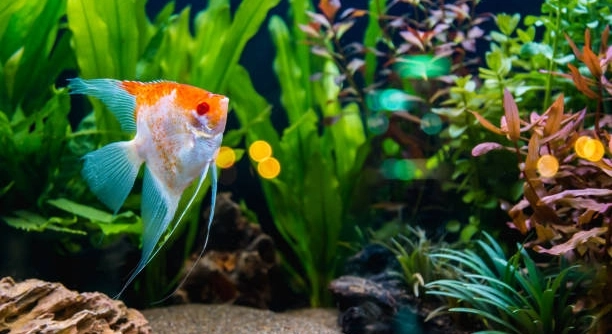
Angelfish are beautiful creatures to keep in your aquarium. However, like all fish, they are susceptible to illnesses. It is important to take steps to ensure their health and prevent sickness. Keeping your angelfish healthy requires proper care and attention.
The best ways to prevent your angelfish from getting sick involve maintaining water quality, providing a balanced diet, and minimizing stress. Regular tank maintenance, proper feeding routines, and avoiding overcrowding will help create a healthier environment for your fish.
Knowing how to prevent illness will help keep your angelfish happy and thriving. Simple adjustments in tank care can make a huge difference in their overall health. Keep reading for tips on how to protect your fish.
Keep Water Quality at Its Best
Water quality is crucial for keeping angelfish healthy. Fish can easily get sick if the water in their tank isn’t clean or balanced. Regularly test the water for important parameters such as pH, ammonia, nitrites, and nitrates. Make sure the water temperature stays consistent, as fluctuations can stress your angelfish, making them more vulnerable to illness.
Using a good filter and performing partial water changes once a week can help keep the water clean and reduce harmful toxins. Avoid overfeeding, as leftover food can decay, impacting the water quality. Keeping the water clean is one of the most effective ways to prevent diseases.
Keeping an eye on water quality is one of the easiest and most impactful ways to prevent sickness in your angelfish. Regular checks and maintenance ensure the right environment for them to thrive. A stable, clean tank is the key to a long, healthy life for your fish.
Provide a Healthy and Balanced Diet
Feeding angelfish properly ensures they get the necessary nutrients to stay healthy. Stick to high-quality fish food designed for angelfish, which is rich in protein, vitamins, and minerals. Overfeeding can lead to excess waste and water contamination, so be mindful of portion sizes.
When feeding angelfish, try to vary their diet with occasional treats like live or frozen food, such as brine shrimp or bloodworms. This helps keep them engaged and provides extra nutrients. However, always ensure they finish their food to avoid excess waste. A proper diet will keep their immune system strong.
A balanced diet is a simple yet effective way to keep angelfish from getting sick. Proper nutrition supports their health, promotes vibrant colors, and strengthens their immune system, making them more resilient to illnesses. Make sure to feed them the right amount and type of food consistently.
Avoid Overcrowding
Overcrowding can lead to stress and disease in your angelfish. Make sure the tank has enough space for each fish. Angelfish thrive in a calm, spacious environment where they can swim freely and avoid aggressive interactions with other fish.
Too many fish in a tank leads to higher waste production, which can affect water quality. Stress caused by overcrowding weakens the immune system of your angelfish, making them more vulnerable to illness. It’s important to keep a proper fish-to-tank ratio for a healthy environment. A larger tank is better for ensuring your angelfish have ample space to grow.
If you notice your angelfish becoming more territorial or aggressive, it may be a sign that the tank is too crowded. Adjusting the number of fish or upgrading to a larger tank can reduce stress. Maintaining the right stocking levels is essential for their well-being.
Regular Tank Maintenance
Regular maintenance of your aquarium is a must for a healthy environment. This includes cleaning the tank, changing the water, and checking the filtration system. Cleaning out debris and vacuuming the substrate should be part of your routine.
By regularly checking and cleaning the filter, you help maintain water flow and remove harmful particles. Water changes should be done weekly, replacing around 25-30% of the water, to prevent the buildup of toxins. Over time, waste from food and fish can accumulate and negatively impact the health of your angelfish.
Maintaining a clean tank also means checking equipment for any malfunctions, ensuring that the heater and filter are functioning properly. A well-maintained tank reduces the chances of disease, helps keep the water quality in check, and ensures your angelfish live in a safe and comfortable environment.
Quarantine New Fish
Before introducing new fish into the tank, it’s important to quarantine them for at least two weeks. This allows you to monitor for any signs of illness, preventing the spread of disease to your existing angelfish. Quarantining helps ensure the health of your entire aquarium.
During the quarantine period, keep the new fish in a separate tank with similar water conditions. Watch for symptoms like fin rot, cloudy eyes, or lethargy, which may indicate a sickness. If any issues arise, treat them before adding the new fish to your main tank.
A proper quarantine routine reduces the risk of infections spreading to your healthy angelfish. It’s a simple step that will make a big difference in protecting your fish from potential diseases.
Stress Management
Stress can weaken an angelfish’s immune system and make them more vulnerable to illness. To minimize stress, maintain stable water conditions, avoid sudden temperature changes, and keep the tank peaceful.
Aggressive tank mates, loud noises, or too much light can stress out your angelfish. Creating a calm and stable environment, with plants or hiding spots, helps reduce anxiety. Your angelfish will feel safer and healthier in a stress-free setting, boosting their immunity.
Maintain Proper Temperature
Angelfish are sensitive to water temperature, and sudden fluctuations can cause stress or illness. Keep the tank temperature between 76°F and 82°F to ensure your fish stay healthy. A consistent temperature is key to their well-being.
Use a reliable aquarium heater and thermometer to monitor the water’s temperature. Avoid placing the tank in direct sunlight or near drafts, as this can cause rapid changes in temperature. Stable water conditions help your angelfish feel comfortable and thrive.
FAQ
What are the most common diseases in angelfish?
Angelfish are prone to a few common diseases, including ich (white spot disease), fin rot, and velvet disease. Ich is a parasitic infection that causes small white spots on the body and fins. It is usually caused by poor water conditions or stress. Fin rot appears as ragged, decaying fins and is typically a result of bacterial infection. Velvet disease shows as a golden or rusty-colored dust on the skin and fins, often caused by a parasitic organism. Keeping the tank clean, stable, and stress-free can help prevent these illnesses.
How can I tell if my angelfish is stressed?
Stress in angelfish can show in several ways. Look for signs like excessive hiding, loss of appetite, or unusual swimming patterns. If your angelfish is breathing heavily or has clamped fins (when the fins are held close to the body), it may be stressed. Aggressive behavior towards other fish or rapid darting around the tank can also be signs of stress. Check water conditions, tank mates, and overall tank environment to help reduce stress factors.
How often should I change the water in my angelfish tank?
You should change 25-30% of the water in your angelfish tank every week. Regular water changes remove toxins and prevent the buildup of harmful substances like ammonia and nitrates. This helps keep the water clean and healthy, reducing the risk of disease. Be sure to use a water conditioner to remove chlorine or chloramine before adding new water to the tank.
Can angelfish live with other fish?
Yes, angelfish can live with other fish, but it’s important to choose tank mates carefully. They do well with peaceful fish that are similar in size, such as tetras, gouramis, and corydoras catfish. Avoid keeping them with aggressive fish or those that are much smaller, as angelfish may become territorial or aggressive. Make sure the other fish in the tank can thrive in similar water conditions and temperature ranges.
How do I prevent angelfish from getting ich?
To prevent ich, maintain good water quality and stable temperature. Ich thrives in water that is too warm or too cold, so ensure the tank temperature stays between 76°F and 82°F. Regularly monitor the water for ammonia, nitrites, and nitrates. Avoid sudden changes in water conditions and keep the tank clean. If introducing new fish, quarantine them first to avoid bringing parasites into your main tank.
What should I do if my angelfish has fin rot?
If you notice signs of fin rot, such as frayed or discolored fins, it’s important to take immediate action. Start by improving the water quality with regular water changes. Use a bacterial treatment designed for fin rot, and isolate the affected fish if necessary. Make sure the water temperature is stable and the tank is clean. Remove any uneaten food and debris to prevent further bacterial growth.
How can I improve the immune system of my angelfish?
A healthy diet is essential for boosting the immune system of your angelfish. Feed them high-quality food rich in protein and vitamins. Adding variety, such as live or frozen foods, will provide extra nutrients. Keeping the tank clean, reducing stress, and maintaining proper water conditions also play a significant role in strengthening your angelfish’s immune system. Healthy fish are less likely to become ill.
Can I treat my angelfish with salt?
Salt can be used to treat certain conditions like external parasites and minor wounds in angelfish. However, it must be used cautiously. Only use aquarium salt at the recommended dosage, and avoid using it in freshwater tanks with plants or delicate species. Dissolve the salt in water before adding it to the tank and monitor your fish closely for any signs of distress. Salt should never be used as a preventive measure without proper diagnosis of the illness.
Why is my angelfish’s color fading?
Color fading in angelfish can be a sign of stress, poor water quality, or nutritional deficiencies. If the water quality is poor, ammonia or nitrate levels may be too high, causing stress and affecting the fish’s coloration. A lack of a balanced diet, especially one that lacks enough carotenoids, can also cause the fish’s color to dull. Make sure the tank is properly maintained, and feed your angelfish a varied, high-quality diet to help restore their color.
How do I know if my angelfish is sick?
Look for signs like a loss of appetite, abnormal swimming patterns, or visible symptoms such as lesions, swelling, or discolored patches. If your angelfish is rubbing against rocks or plants, it may have a parasite. Additionally, abnormal breathing, clamped fins, or increased lethargy are all signs of potential illness. If any of these symptoms appear, it’s important to test the water quality and remove any stressed or sick fish to prevent further contamination.
How do I treat velvet disease in angelfish?
Velvet disease can be treated using copper-based medications or formalin treatments, which are effective against the parasite. It’s important to isolate the infected angelfish in a separate quarantine tank for treatment. Raise the temperature of the water slightly, as this can help speed up the parasite’s life cycle and make the medication more effective. Ensure you follow the instructions for any treatment you use to avoid harming your fish. Keep the main tank clean and stress-free to prevent future outbreaks.
Can angelfish recover from ich?
Yes, angelfish can recover from ich if treated properly. The key to recovery is early detection and isolation of the infected fish. Increase the water temperature slightly (to about 82°F) and treat with an ich-specific medication. During treatment, keep the tank clean and avoid adding new fish to the tank. Most angelfish can recover fully if the treatment is started early and the water conditions are optimized.
What is the ideal tank size for angelfish?
Angelfish need a tank that’s at least 20 gallons for a pair, with an additional 10 gallons for each extra fish. This gives them enough space to swim comfortably and establish territories. Larger tanks are ideal, as they provide more room for the angelfish and their tank mates. A spacious tank also helps maintain stable water conditions, which are vital for the health of your fish.
Do angelfish need a filter?
Yes, angelfish need a filter to maintain water quality. A good filtration system helps remove debris, toxins, and waste from the tank. It also ensures that oxygen levels are maintained, which is crucial for the health of your angelfish. Choose a filter that provides gentle water flow, as angelfish don’t like strong currents. Regular maintenance of the filter will help keep the water clean and safe for your fish.
Final Thoughts
Taking care of your angelfish requires some attention to detail, but with the right knowledge and consistent effort, they can thrive in your aquarium for many years. By maintaining proper water quality, ensuring a balanced diet, and minimizing stress, you can help keep your fish healthy and reduce the risk of illness. It’s also important to be proactive, observing your angelfish for any signs of disease so you can address issues early on before they become serious problems.
When it comes to tank maintenance, consistency is key. Regular water changes, proper filtration, and monitoring the temperature will go a long way in ensuring your angelfish stay in top condition. Along with clean water, creating a peaceful environment for your fish to swim in is just as important. Avoid overcrowding the tank and make sure the other fish are compatible with angelfish to reduce aggression or stress. Remember that your fish’s health is closely tied to the overall condition of the tank.
By following these simple steps and staying attentive to the needs of your angelfish, you are helping them live a long, healthy, and happy life. The effort you put into keeping their environment stable will not only prevent sickness but will also allow them to thrive and display their natural beauty. Keep learning and observing, and you’ll be able to address any challenges that arise and continue to care for your fish with confidence.

Hello,
If you enjoy the content that we create, please consider saying a "Thank You!" by leaving a tip.
Every little bit helps us continue crafting quality advice that supports the health, happiness, and well-being of pets around the world, for pets of all shapes, sizes, and species.
We really appreciate the kindness and support that you show us!