
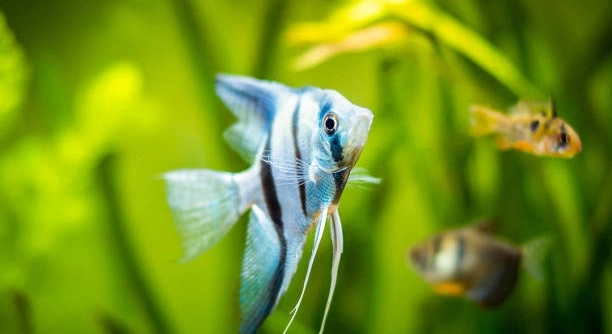
Raising angelfish fry can be a rewarding experience, but it requires attention and care. If you’re new to breeding fish, understanding the basics of raising fry is essential for their survival and growth.
Raising angelfish fry involves providing them with the right environment, feeding them properly, and monitoring their health. A stable aquarium with appropriate water conditions, combined with high-quality food, is key to successfully raising these delicate young fish.
Proper care and feeding are crucial to angelfish fry development. Ensuring they receive the right nutrients and protection will set them up for a healthy future.
Water Conditions for Angelfish Fry
When raising angelfish fry, the water conditions are the most important factor. They are highly sensitive to changes in temperature, pH, and cleanliness. Keep the water at a steady temperature between 78-80°F (25-27°C). Sudden temperature shifts can stress the fry and make them vulnerable to illness. Maintain a pH level around 6.5-7.0. Water hardness should be soft to slightly hard, as angelfish prefer these conditions for optimal growth.
Changing the water regularly is crucial for preventing toxins from building up, but be cautious not to do large water changes too quickly. Small, frequent water changes are ideal. Make sure the water you add is properly treated to remove chlorine and other harmful chemicals.
A proper filtration system is essential to keep the water clean, but you must ensure the filter’s flow isn’t too strong, as young fry can struggle with strong currents. Keeping these elements stable will give your fry the best chance to thrive and grow into healthy adults.
Feeding Your Angelfish Fry
Feeding angelfish fry requires a careful approach. Start with finely crushed flakes or specialized fry food.
Young fry can’t eat large pieces, so their food needs to be small enough for them to consume easily. As they grow, you can begin to introduce more variety, such as baby brine shrimp, microworms, or rotifers. This provides the protein and nutrients they need for healthy development. Be sure to feed small amounts multiple times a day to prevent uneaten food from polluting the tank.
At around two weeks of age, you can also start offering finely chopped vegetables like spinach or zucchini. It’s essential to monitor how much they are eating to avoid overfeeding, which can lead to water quality problems. Keeping the fry well-fed is key to their growth, but balancing this with proper tank maintenance is essential for success.
Tank Setup and Decorations
Angelfish fry are fragile and need a calm, stress-free environment to thrive. The setup of their tank plays a big role in their development. A tank with gentle filtration, soft lighting, and minimal decorations is ideal for young fry. Too many decorations or a tank that’s overcrowded can make it difficult for the fry to swim freely and can lead to accidents or injuries.
You may want to add a few plants to give the fry hiding spots. Live plants not only help provide security, but they also improve water quality. Be sure to avoid sharp or rough decorations that could harm the delicate fry.
As the fry grow, you can start adding more features to their environment, like rocks or more plant life. These additions can help encourage natural behaviors and provide more space for the fry as they develop. A spacious, well-planted tank will give them the environment they need to thrive and grow.
Monitoring Water Quality
Water quality is crucial for angelfish fry. Keep the water clean and stable by performing regular water tests. Ammonia, nitrite, and nitrate levels should always be low.
Test the water weekly using a reliable aquarium test kit. Adjust the water parameters as needed. Angelfish fry are particularly sensitive to water changes. A slight fluctuation can stress them or cause disease. Be sure to filter the water gently, so it stays clean without disturbing the fry too much.
You can also use a sponge filter, as it’s gentle on fry and helps prevent damage from strong currents. Regular water changes, about 10-15% weekly, can help remove waste and toxins. These small steps will go a long way in maintaining good water quality and ensuring your fry remain healthy.
Preventing Disease
Angelfish fry are delicate and can easily succumb to various diseases. Keeping the tank clean and providing proper care is the best way to prevent illness.
Maintain stable water conditions and ensure good hygiene by removing uneaten food from the tank. Avoid overfeeding, as this can lead to excess waste, which can cause problems like bacteria growth or fungal infections. If you notice any fry showing signs of illness, such as faded colors, swimming problems, or lethargy, immediately remove them from the main tank to prevent spreading the disease.
You may want to add aquarium salt or medicated food if signs of illness appear. Quarantining sick fry and treating them separately ensures the health of the rest of your tank.
Handling Growth and Development
As angelfish fry grow, their nutritional needs change. It’s important to adjust their diet to ensure they get enough protein and other essential nutrients.
When they reach around two weeks, start introducing more diverse food options, like baby brine shrimp and finely crushed pellets. These foods will provide the necessary proteins for proper growth. Watch them closely as they develop; some fry may grow faster than others, so you may need to separate them if size differences become noticeable.
During their first month, continue to provide small, frequent feedings. Overfeeding can cause water quality issues, but underfeeding can slow their growth.
Separation and Space
As your fry grow, they’ll need more space to prevent overcrowding. Keep an eye on the tank’s capacity and consider separating faster-growing fry to avoid stunting.
Overcrowding can lead to stress and aggressive behavior among the fry. This can also cause water quality problems, as too many fish in a small space will increase waste production. Regularly check for any signs of bullying or distress. If necessary, divide the fry into different tanks or use a breeding box to provide them more space.
Transitioning to Adult Care
Once your angelfish fry reach about two months old, it’s time to slowly transition them to adult care. This includes adjusting the water temperature and food.
Start offering larger foods, such as regular angelfish pellets or live food like brine shrimp. Slowly increase the water temperature to 80°F (27°C) to match the conditions that adult angelfish prefer. Continue to monitor their growth and behavior, ensuring they’re adjusting well to adult care.
FAQ
How often should I feed angelfish fry?
Angelfish fry need to be fed multiple times a day, especially in the early stages. Start by feeding them small portions four to five times a day. As they grow, you can reduce the frequency to three times a day. Keep in mind that the fry’s stomachs are tiny, so feed small amounts that they can eat in a few minutes. Overfeeding can lead to poor water quality, so it’s important to remove any leftover food promptly.
What is the best food for angelfish fry?
The best food for angelfish fry includes finely crushed flakes, specially formulated fry food, and live foods such as baby brine shrimp. You can also feed them finely chopped vegetables, like spinach or zucchini, once they’re a bit older. Make sure the food is small enough for them to consume easily. Avoid feeding them large food particles, as they won’t be able to digest it properly. Providing a varied diet will ensure they get all the necessary nutrients to grow healthy.
How do I know if my angelfish fry are healthy?
Healthy angelfish fry will be active, swim well, and have vibrant colors. They should have clear eyes and a good appetite. If you notice that they’re sluggish, have faded colors, or are swimming erratically, it could be a sign of stress or illness. Make sure their environment is clean and the water conditions are ideal. If any fry appear sick, it’s best to remove them from the tank to prevent the spread of disease.
What water temperature is best for angelfish fry?
Angelfish fry thrive in a stable water temperature between 78°F and 80°F (25-27°C). A slight fluctuation in temperature can cause stress and affect their growth. It’s important to keep the water temperature consistent, as sudden changes can weaken the fry’s immune system. Consider using a reliable aquarium heater to maintain a steady temperature, especially in cooler environments.
Do I need a filter in the fry tank?
Yes, a filter is essential to keep the water clean. However, for angelfish fry, it’s best to use a sponge filter rather than a traditional one. Sponge filters provide gentle filtration without creating strong currents that could harm the delicate fry. A filter will help remove waste, excess food, and toxins, but make sure the flow rate is not too high.
When should I start performing water changes for angelfish fry?
Water changes should be done from the start, but it’s important not to change too much water at once. In the first few weeks, do small water changes of about 10-15% per week. This will help keep the water quality stable without shocking the fry. As they grow, you can gradually increase the water change frequency. Always make sure the replacement water is the right temperature and treated to remove harmful chemicals like chlorine.
Can I raise angelfish fry with other fish?
It’s not recommended to raise angelfish fry with other fish, especially aggressive or larger species. Angelfish fry are very small and delicate, and they can easily become stressed or even eaten by larger tankmates. It’s best to raise them in a separate tank or breeding box until they are large enough to live with other fish safely.
What should I do if my angelfish fry are not eating?
If your angelfish fry aren’t eating, it could be due to water quality issues or stress. Check the water parameters to ensure they’re within the ideal range. If everything seems fine, try offering different types of food. Sometimes, they might not take to a new food immediately. Be patient and give them time to adjust. If they still refuse to eat after a few days, check for signs of illness and consider consulting an aquarium professional.
Can I move my angelfish fry to a bigger tank?
Once your angelfish fry have grown sufficiently, typically after about two months, you can start moving them to a larger tank. Before transferring them, make sure the new tank is properly cycled and has suitable water conditions. This will help reduce the risk of shock or stress. Start by transferring a few fry at a time and monitor their behavior closely for any signs of stress.
How can I prevent angelfish fry from getting diseases?
The best way to prevent diseases is by maintaining excellent water quality and providing the proper care. Regularly test the water for ammonia, nitrites, and nitrates, and make sure the temperature stays stable. Always remove uneaten food promptly and avoid overfeeding. Keep the fry tank free from debris, and quarantine any sick fish to avoid spreading illness. If disease is detected early, you can often treat it with aquarium salt or medicated food, but prevention is always the best approach.
How long does it take for angelfish fry to grow?
Angelfish fry typically take about 6-8 weeks to reach a size where they can be transferred to a larger tank. However, full growth to adulthood can take several months. During this time, it’s important to monitor their growth and provide them with a nutritious diet. Depending on the water conditions and the food they receive, growth rates can vary. Keep track of their development and adjust their care accordingly.
Should I separate angelfish fry by size?
Yes, separating angelfish fry by size can help ensure that all of them have enough space and access to food. Larger fry can sometimes bully smaller ones or outcompete them for food. If you notice a significant size difference, it’s a good idea to separate the fry into different tanks or sections of the tank to allow the smaller ones to grow at their own pace.
Raising angelfish fry can be a fulfilling and rewarding experience, but it requires patience and attention to detail. These delicate fish need stable water conditions, proper feeding, and a clean environment to grow successfully. By providing the right care from the start, you can help your fry thrive and eventually grow into healthy adult angelfish. Ensuring their survival and health involves not only focusing on the physical environment but also being mindful of their nutritional needs. A good balance of high-quality food, clean water, and appropriate temperature will set them on the right path.
As the fry grow, you will need to adjust their care. This includes monitoring their growth, feeding them the right foods, and providing enough space. Overcrowding or underfeeding can lead to stress and poor development. It’s important to separate fry by size when necessary, as larger fry may outcompete smaller ones for food. Regular water changes and careful monitoring of water quality are also essential to prevent diseases. With the right care and attention, your angelfish fry will continue to grow and develop in a healthy environment.
In the end, raising angelfish fry is about more than just providing for their basic needs. It’s about creating an environment where they feel safe and have everything they need to grow. Keeping a close eye on their development, making adjustments as needed, and staying consistent with their care will help ensure their success. The process can be time-consuming, but watching them grow from tiny fry into beautiful adult angelfish is well worth the effort. If you remain dedicated to their care and take the time to learn, you’ll be able to raise healthy, thriving angelfish for years to come.

Hello,
If you enjoy the content that we create, please consider saying a "Thank You!" by leaving a tip.
Every little bit helps us continue crafting quality advice that supports the health, happiness, and well-being of pets around the world, for pets of all shapes, sizes, and species.
We really appreciate the kindness and support that you show us!