
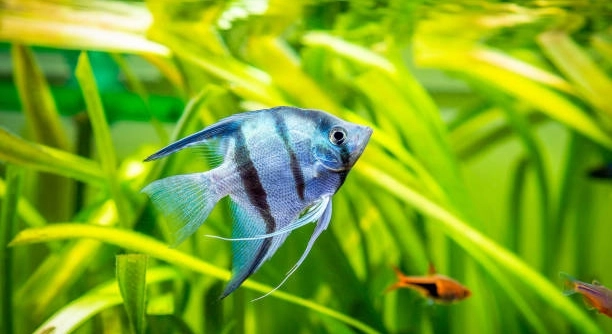
Angelfish are popular aquarium fish known for their graceful movements and vibrant colors. However, there are many misconceptions about their behavior that can lead to misunderstandings. It’s essential to clear up these myths to ensure proper care.
One common myth is that angelfish are aggressive by nature. While they may display territorial behavior, especially during breeding, they are generally peaceful. Misinterpretations arise when they defend their space, which is a natural behavior for many fish species.
Understanding angelfish behavior can help create a peaceful environment for both your fish and your aquarium. There is much more to uncover about these fascinating creatures.
Angelfish Are Not Always Aggressive
Angelfish can seem aggressive, but it’s important to understand why they act this way. Their territorial nature can make them appear as if they are constantly fighting, especially when defending their space or during breeding. However, outside of these periods, they are relatively peaceful. Misunderstandings often happen when they chase other fish or establish their dominance in an aquarium. Angelfish are not inherently violent but simply need their space. By providing plenty of hiding spots and room for each fish, aggression can be minimized.
While it’s true that they can become territorial, this behavior is not the same as aggression. Angelfish are simply acting on instinct to protect their territory and resources. If you observe them closely, they will usually settle down after establishing their space.
It’s essential to keep your angelfish in a well-planned environment. Avoid overcrowding and ensure there are enough places for each fish to retreat. This reduces territorial disputes and promotes a peaceful aquarium.
Angelfish Can Live With Any Fish
Many people believe that angelfish can live with any fish, but this isn’t true. They need compatible tankmates.
Although angelfish are peaceful, they do best with similar-sized fish. Smaller fish, especially those that occupy the same water column, may become targets for angelfish, especially if food becomes scarce. Aggressive species can also stress them out. Therefore, choosing tankmates carefully is crucial for their well-being.
Angelfish thrive in peaceful community tanks with other non-aggressive fish. Species like tetras, rasboras, or other slow-moving fish that occupy different levels of the aquarium work well. Avoid fast swimmers that can outcompete angelfish for food. Furthermore, keep in mind that angelfish have been known to chase after small fish, particularly those that resemble their natural prey. By selecting tankmates thoughtfully, you create a safer environment for your angelfish to flourish.
Angelfish Are Difficult to Care For
Some think angelfish require complicated care routines, but they are relatively easy to manage once their basic needs are met. A stable environment with proper filtration, regular water changes, and a balanced diet is key to keeping them healthy. Angelfish thrive in water temperatures between 76°F and 82°F, with a pH level between 6.8 and 7.8.
While they can be a bit sensitive to water quality, regular tank maintenance is all it takes to keep them healthy. They do not need excessive attention or specific water conditions beyond the basics. With the right setup, they are quite adaptable and resilient.
Many common issues like poor water quality or unsuitable tankmates can cause stress for angelfish. However, with consistent care, these problems are easily preventable. Simple water testing and proper feeding can go a long way in ensuring their well-being.
Angelfish Are Strictly Herbivores
Contrary to popular belief, angelfish are not strictly herbivores. They are omnivores, meaning they consume both plant and animal matter. In the wild, they eat small invertebrates, insects, and a variety of plant materials.
Feeding your angelfish a diet solely consisting of plant-based foods can lead to nutritional imbalances. They require protein in their diet, which they can obtain from live or frozen foods such as brine shrimp, bloodworms, or daphnia. These foods provide the necessary nutrients for healthy growth and vibrant colors.
While plants should be a part of their diet, animal-based protein is also essential. A varied diet that includes both plant matter and protein will ensure your angelfish thrive. Offering a mix of prepared foods, live foods, and occasional vegetables is the best approach for their overall health.
Angelfish Are Easy to Breed
Breeding angelfish is not as difficult as some might think. With the right conditions, they will breed in a community tank. Keeping them in stable water parameters and providing appropriate flat surfaces for egg-laying encourages natural breeding behavior.
Angelfish typically lay their eggs on a broad surface, such as a leaf or aquarium glass. They take turns guarding the eggs until they hatch. However, without proper care, the eggs may be eaten by other fish or not develop properly.
If you want to raise the fry, it’s best to move the eggs to a separate breeding tank to protect them from potential predators. Careful monitoring and proper nutrition are key to successfully raising angelfish fry.
Angelfish Need a Large Tank
While angelfish do need space to swim, they do not require excessively large tanks. A 20-gallon tank is enough for a pair of angelfish.
They are not particularly active swimmers and spend most of their time in the middle or upper levels of the tank. Therefore, the key to a suitable tank is providing sufficient space for swimming, along with plenty of hiding spots to reduce stress.
Angelfish Are Completely Social Fish
Angelfish can be social, but they are not always as friendly as some assume. They can show aggression, especially during breeding seasons or if space is limited.
Even when kept with peaceful tankmates, they may display territorial behavior. To reduce this, ensure their environment is large enough and includes hiding places for all fish.
FAQ
Are angelfish good for beginners?
Angelfish can be a great choice for beginner aquarium keepers. They are hardy and relatively easy to care for, as long as you maintain proper water conditions. However, beginners should still make sure to monitor water quality closely and ensure they have a well-planned tank setup. Regular water changes, a balanced diet, and compatible tankmates will help keep them healthy and stress-free. With the right care, angelfish are an excellent species for those new to fishkeeping.
What is the ideal tank size for angelfish?
The minimum tank size for a pair of angelfish is typically 20 gallons. If you plan to keep more than two, it’s important to increase the size accordingly. A larger tank gives them more room to swim and reduces the likelihood of territorial disputes. Even though they don’t require excessive swimming space, providing a spacious environment helps maintain peace and reduces stress. For a community tank, it’s best to go for a 30-gallon tank or larger, depending on the number of fish.
Can angelfish live with other fish?
Yes, angelfish can live with other fish, but it’s important to choose tankmates carefully. They do best with other peaceful fish that occupy different areas of the tank. Avoid aggressive species or very small fish, as angelfish may view them as food. Good tankmates include species like tetras, corydoras, and gouramis. Make sure all fish are similar in size to avoid stress or aggression. Overcrowding should also be avoided, as it can lead to territorial disputes.
How can I tell if my angelfish is healthy?
A healthy angelfish has clear eyes, vibrant colors, and smooth, unbroken fins. Its body should be free from lesions or signs of disease. Healthy angelfish also swim gracefully and show curiosity. If your angelfish is hiding, has clamped fins, or appears lethargic, it may be sick or stressed. Monitoring its behavior closely and ensuring it has a stress-free environment can help keep it healthy.
What should I feed my angelfish?
Angelfish are omnivores, so a varied diet is essential. You should feed them high-quality flake or pellet food designed for angelfish. Additionally, supplementing their diet with live or frozen foods like brine shrimp, bloodworms, and daphnia will provide the protein they need for growth and vibrant coloration. Offering occasional vegetables like spinach or zucchini can also help maintain their overall health.
Why is my angelfish hiding?
Hiding can be a sign of stress or illness. If your angelfish is hiding, it could be due to water quality issues, temperature fluctuations, or incompatible tankmates. Stress from overcrowding or territorial behavior can also cause hiding. It’s important to check the water parameters and ensure that your fish are comfortable with their surroundings. If the hiding continues, it may be worth observing the fish for other signs of illness.
Can angelfish change color?
Yes, angelfish can change color, especially in response to environmental factors like water quality, stress, or lighting. They may become duller in color when stressed, and their vibrant colors often return when they feel safe and comfortable. During breeding, angelfish may also show changes in their appearance. It’s crucial to monitor their tank environment closely to keep their colors vibrant and healthy.
How often should I feed my angelfish?
Angelfish should be fed 2-3 times a day, but only as much food as they can eat in a few minutes. Overfeeding can lead to poor water quality and obesity. It’s important to provide a balanced diet and avoid leaving uneaten food in the tank, as it will pollute the water. You can also rotate the types of food to ensure they receive all the necessary nutrients.
Why is my angelfish’s fin clamped?
Clamped fins can be a sign of stress or illness. Your angelfish may be feeling threatened by other tankmates, or there may be issues with water quality. A decrease in temperature or an inappropriate pH level can also cause fin clamping. If the condition persists, check the tank parameters and monitor for any signs of disease.
What temperature do angelfish prefer?
Angelfish prefer warm water with a temperature range of 76°F to 82°F. It’s important to maintain a stable temperature within this range to prevent stress or health issues. A reliable aquarium heater can help regulate the water temperature, ensuring it remains consistent. Sudden changes in temperature can negatively affect their well-being, so avoid placing their tank near heaters, air conditioners, or windows with direct sunlight.
Do angelfish need a filter?
Yes, angelfish require a filter to maintain good water quality. A filter helps remove waste, debris, and toxins from the water, creating a healthier environment for the fish. However, it’s important to choose a filter with a gentle flow. Angelfish do not like strong currents, so a filter with adjustable flow is ideal. Regular filter maintenance and water changes are also necessary to keep the tank clean.
Can angelfish live in saltwater?
Angelfish are freshwater fish, and they should not be kept in saltwater tanks. Saltwater conditions can stress them out and lead to illness. If you’re considering keeping angelfish, make sure to set up a freshwater tank with appropriate parameters for their health and well-being. Saltwater is only suitable for specific species of fish, such as marine angelfish.
Why are my angelfish eggs not hatching?
If your angelfish eggs are not hatching, it could be due to several factors, such as poor water quality or temperature issues. Angelfish eggs need stable conditions to develop properly. Ensure the water temperature is around 78°F to 80°F and that the water quality is ideal. It’s also possible that the eggs were not fertilized or were eaten by the parents. If you are raising the fry, consider removing the eggs to a separate breeding tank to protect them.
How can I reduce aggression between angelfish?
To reduce aggression between angelfish, it’s important to provide enough space and hiding places. Avoid overcrowding and make sure each angelfish has its own territory. Adding plants, rocks, or decorations can help break up line of sight, reducing tension. If aggression is severe, consider separating the aggressive fish into different tanks to ensure their well-being.
Final Thoughts
Angelfish are beautiful and captivating fish that make a great addition to many aquariums. With their graceful movements and vibrant colors, they are enjoyable to watch and relatively easy to care for. However, despite their hardiness, angelfish require the right environment and proper attention to thrive. This includes maintaining stable water conditions, providing a balanced diet, and selecting compatible tankmates. When these needs are met, angelfish can live long, healthy lives and bring beauty to any aquarium.
It’s important to keep in mind that angelfish are not without their challenges. They can be territorial, especially during breeding seasons, and may show aggression toward other fish. Additionally, angelfish can be sensitive to changes in their environment, so it’s essential to be vigilant about water quality and temperature. While they may not be the most demanding fish, beginners should still be prepared to manage these challenges. A little research and regular care can go a long way in ensuring the health and happiness of your angelfish.
In conclusion, keeping angelfish can be a rewarding experience for aquarium enthusiasts, but it requires a basic understanding of their care requirements. They can live harmoniously with many other species if given enough space and proper attention. Whether you’re a beginner or an experienced fishkeeper, with the right approach, angelfish can thrive in your aquarium for years. Their beauty, paired with their relatively simple care needs, makes them a popular choice among many. With patience and care, your angelfish will provide enjoyment and elegance to your tank.

Hello,
If you enjoy the content that we create, please consider saying a "Thank You!" by leaving a tip.
Every little bit helps us continue crafting quality advice that supports the health, happiness, and well-being of pets around the world, for pets of all shapes, sizes, and species.
We really appreciate the kindness and support that you show us!