
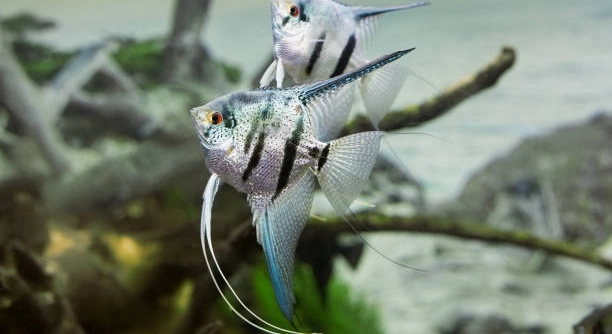
Angelfish are known for their grace and beauty in the aquarium. However, like all pets, they need attention and care to thrive. If your angelfish seems to be acting out of character, loneliness could be the cause.
Angelfish exhibit signs of loneliness through behaviors such as hiding, reduced activity, or aggression towards tank mates. These signs indicate a lack of social interaction, which can negatively affect their well-being and overall health.
Understanding your angelfish’s social needs will help you create a balanced environment. Knowing how to identify loneliness is key to ensuring your fish feels comfortable and happy in its tank.
Signs Your Angelfish Is Not Getting Enough Social Interaction
Angelfish are social creatures, and when they feel isolated, their behavior can change. They may stop swimming around as freely or start hiding in corners of the tank more than usual. If your angelfish is left alone without any company, the lack of stimulation can lead to stress. It is important to observe their body language for signs of agitation or a lack of interest in food. These fish thrive when kept in pairs or small groups, so if your tank has only one, it may not feel entirely secure.
A common sign of loneliness is when angelfish refuse to interact with other tank mates. They may become territorial, chasing away fish that come too close. Their response to being alone can also lead to a lack of appetite and even health issues over time.
Providing a more active environment for your angelfish will help prevent these behaviors. This can include adding another angelfish or ensuring they have other fish species to interact with. Maintaining social interaction is vital for their well-being, especially in a confined aquarium space.
The Importance of Tank Mates for Angelfish
Adding suitable tank mates is essential for preventing loneliness. Fish that are too aggressive or that invade the angelfish’s space may add stress, while peaceful companions can encourage social behavior. Selecting the right fish helps promote a more harmonious environment, reducing the risk of isolation-related issues.
When choosing tank mates, it’s essential to select species that are calm and won’t compete for resources or space. Fish like tetras or gouramis are often ideal partners. They won’t threaten the angelfish’s territory, allowing them to feel safe while still enjoying interaction with others.
However, even with compatible tank mates, you must still ensure the angelfish has enough space. A tank that is too small may increase aggression and stress, which contributes to the fish’s feelings of loneliness. A larger, well-maintained aquarium offers more opportunities for socialization and movement, keeping your angelfish active and happy.
Lack of Environmental Stimulation
Angelfish need more than just other fish to stay engaged. They also require environmental stimulation. Without plants, decorations, or places to explore, they may become bored and stressed. A barren tank can make them feel isolated and uncomfortable.
Adding natural elements like plants or rocks allows your angelfish to explore. They will swim through the foliage or hide behind structures, which provides mental stimulation. This is especially true for angelfish that are solitary in their tank. When they have places to hide and interact with, they feel safer and more content.
Without these enrichments, your angelfish will likely become restless and withdrawn. Stressed fish may also show signs of aggression or even start attacking tank mates. Providing plenty of hiding spaces or gentle current can alleviate this. It’s essential to mimic a natural environment as much as possible for their well-being.
Feeding Habits and Loneliness
Feeding time is often when an angelfish’s behavior can indicate loneliness. If your angelfish refuses to eat, it could be a sign they are lonely. A stressed, lonely fish may feel less inclined to feed or may not show excitement when food is offered.
The type of food also plays a role in their overall mood. Varied diets, including live foods or treats, can provide mental stimulation and keep your angelfish interested in their surroundings. If your angelfish appears to eat less frequently or seems uninterested in meals, loneliness could be a factor.
Another factor that affects feeding is the presence of other fish. If the tank is overly competitive at feeding time, your angelfish may be stressed, making it reluctant to eat. A calm feeding routine ensures each fish gets its fair share without the added stress of aggression.
Stress and Physical Symptoms
When an angelfish is lonely, it can manifest in physical symptoms. Stress caused by isolation can weaken their immune system, making them more susceptible to illness. You might notice them hiding, swimming less, or exhibiting erratic behavior.
Physical signs of stress may include faded colors or clamped fins. If your angelfish consistently looks unhealthy or sluggish, loneliness is likely a factor. In more severe cases, you may see fin rot or other signs of infection. Ensuring a comfortable, social environment is key to maintaining their health.
The Role of Tank Size
The size of your tank plays an important role in preventing loneliness. A smaller tank restricts the angelfish’s ability to move freely, causing stress. Larger tanks allow them to interact with other fish and reduce territorial behavior.
If the tank is too small, your angelfish may feel trapped and isolated, affecting its behavior. A 30-gallon tank is generally considered the minimum size for a small group of angelfish. Ensuring they have enough space can help reduce stress and encourage natural socialization.
Regular Tank Maintenance
Maintaining a clean tank is essential for preventing stress in your angelfish. Dirty water can cause health problems, making them more vulnerable to loneliness-related issues. Frequent water changes and proper filtration will keep the environment healthy.
A clean, well-maintained tank encourages better behavior and overall well-being. Angelfish are more likely to remain active and social when the water is free of toxins. Keep an eye on water quality, and perform regular checks to maintain a stable and healthy environment.
FAQ
How can I tell if my angelfish is lonely?
Lonely angelfish often display specific signs. They may hide more often, swim less, or become less active than usual. You might also notice a change in behavior, such as aggression towards other fish or an overall lack of interest in their surroundings. If your fish seems withdrawn or shows signs of stress, loneliness could be the cause.
Can one angelfish live alone in a tank?
While angelfish can survive alone, they are social creatures that thrive in groups. They benefit from companionship and interaction with other fish. Keeping a single angelfish in a tank may lead to loneliness, affecting their health and behavior. It’s always better to have at least two or more in a tank.
What are the best tank mates for angelfish?
Angelfish generally do well with peaceful tank mates like tetras, gouramis, or other non-aggressive fish. Avoid keeping them with overly aggressive fish or species that will compete for territory. Fish that are too small may be seen as prey, while larger fish might intimidate your angelfish.
How do I know if my angelfish is stressed?
Stressed angelfish show several signs. They may swim erratically, hide more than usual, or lose their appetite. Their colors may become dull, and their fins might remain clamped. These are all indicators of stress, which could be linked to loneliness, poor water conditions, or incompatible tank mates.
Can angelfish live with other types of fish?
Yes, angelfish can live with other types of fish, but it depends on the species. Choose peaceful, non-aggressive fish that won’t threaten their territory or outcompete them for food. Fish like corydoras or peaceful rainbowfish can be good companions. Always research potential tank mates before adding them.
Do angelfish need a lot of space?
Yes, angelfish need enough space to swim freely. A tank that is too small can cause stress and limit their natural behavior. Ideally, a 30-gallon tank is the minimum size for a small group of angelfish. Providing ample space reduces territorial behavior and promotes better health.
What can I do if my angelfish is lonely?
If your angelfish is lonely, consider adding more fish. Another angelfish can provide social interaction and reduce isolation. Be sure to select tank mates that are compatible in terms of temperament and size. Also, ensure your tank is large enough to accommodate the fish comfortably.
How often should I feed my angelfish?
Angelfish should be fed once or twice a day, depending on their size and age. Overfeeding can lead to water quality issues, so it’s important to give them only what they can eat in a few minutes. A balanced diet with variety will keep them healthy and engaged.
How can I improve my angelfish’s environment?
Improving the environment for your angelfish includes adding plants, rocks, and other decorations that offer hiding spots and places to explore. A well-maintained tank with stable water conditions is crucial. Adding compatible tank mates also creates a more stimulating and social environment.
Is it necessary to have live plants in an angelfish tank?
While live plants are not strictly necessary, they can greatly benefit your angelfish. Plants provide hiding spots, help maintain water quality, and create a more natural environment. Angelfish often enjoy swimming among plants, which can reduce stress and promote a sense of security.
How can I tell if my angelfish is sick due to loneliness?
Loneliness can make an angelfish more susceptible to illness. If your angelfish stops eating, becomes lethargic, or develops symptoms like fin rot, it could be due to stress or poor tank conditions. Regular water changes, proper diet, and social interaction are important for their health.
What are the signs of depression in angelfish?
Angelfish that are depressed may exhibit a lack of interest in food, hide more frequently, or display erratic swimming patterns. Depression in fish is often linked to environmental stressors like loneliness, poor water conditions, or inadequate tank mates. Ensuring a suitable and active tank environment can help prevent this.
How do I introduce a new angelfish to my tank?
When introducing a new angelfish, it’s important to do so gradually. Place the new fish in a quarantine tank for a few weeks to ensure they are healthy before adding them to the main tank. Once introduced, monitor interactions closely to ensure they get along with existing tank mates.
Final Thoughts
Angelfish are social creatures that require companionship and a well-maintained environment to thrive. When kept alone or in an unsuitable environment, they can experience stress, which leads to unhealthy behavior and physical symptoms. It is important to pay attention to their needs, such as tank size, compatible tank mates, and proper water quality. By ensuring that your angelfish has a good balance of social interaction and environmental enrichment, you can help maintain their overall well-being.
Loneliness in angelfish can lead to more serious problems. These include poor feeding habits, stress, and even aggression. Therefore, it’s essential to provide them with not just the physical space they need, but also the social stimulation to encourage healthy interactions. Adding other peaceful fish or even another angelfish can significantly improve their quality of life. Additionally, providing hiding spaces and environmental enrichment like plants or rocks can create a more secure and engaging atmosphere for your angelfish. The key is creating a balanced environment that mimics their natural habitat.
By recognizing the signs of loneliness and stress early, you can take steps to improve the conditions for your angelfish. Whether that means adjusting their tank setup, introducing new tank mates, or simply making sure they feel safe and secure, every change you make can positively impact their health. While owning angelfish can be rewarding, it also requires ongoing care and attention. Ensuring that they are not lonely and that they have all they need to feel comfortable is essential for their well-being and happiness.

Hello,
If you enjoy the content that we create, please consider saying a "Thank You!" by leaving a tip.
Every little bit helps us continue crafting quality advice that supports the health, happiness, and well-being of pets around the world, for pets of all shapes, sizes, and species.
We really appreciate the kindness and support that you show us!