
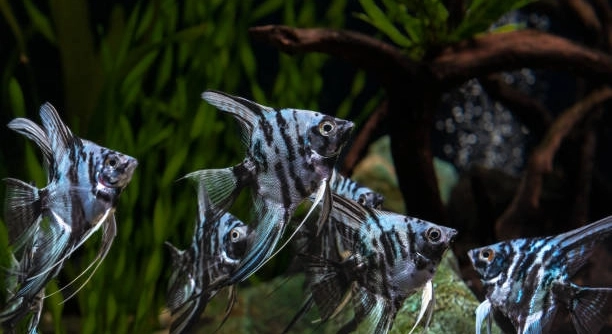
Is your angelfish constantly disturbing the tank by digging in the substrate, leaving your setup messy and plants uprooted? This behavior can be confusing, especially when you’ve carefully arranged their environment.
Angelfish often dig in the substrate due to natural instincts, territory marking, breeding behavior, or searching for food. Environmental stress, lack of stimulation, or unsuitable tank conditions may also contribute to this repetitive activity in aquarium settings.
Understanding these possible causes can help you make small changes that keep your angelfish calmer and your tank looking clean.
Territorial Behavior Is Natural for Angelfish
Angelfish often dig in the substrate as a way to mark their territory. In a shared tank, they can become defensive about certain areas, especially if they feel threatened or crowded. This is more noticeable when new fish are added or the tank layout is changed. Digging becomes their way of setting boundaries. They may clear the gravel, rearrange decorations, or guard one corner of the tank. This behavior is completely natural and doesn’t always mean something is wrong. If your angelfish appears otherwise healthy—eating well, swimming normally—this may just be part of their routine. Still, it helps to observe any signs of stress and make sure tank mates aren’t too aggressive. Providing plenty of hiding spots and dividing space with plants or decorations can make a big difference in their comfort.
If your angelfish is digging more often, check for signs of overcrowding or dominance behavior from tank mates.
Giving each fish its own space can calm things down. Spread out hiding spots, use taller plants, and rearrange décor if needed. Angelfish tend to be more relaxed when they don’t feel like they have to defend every inch of the tank. A peaceful tank layout encourages more swimming and less digging.
Breeding Instincts and Nesting Behavior
Sometimes, digging means your angelfish is preparing to breed. They clear spots in the substrate to create a safe area for laying eggs.
Breeding pairs may show signs like nudging each other, lip-locking, or becoming more territorial. Digging usually starts when they’re close to spawning. The female may pick a flat surface like a rock or leaf, but if that’s not available, they’ll make space in the gravel instead. In tanks with soft substrate, this behavior becomes more obvious. You might notice them clearing a space repeatedly or hovering near one area for long periods. This is a good time to make sure water conditions are stable and clean. If you’re not looking to raise fry, you don’t need to interfere. But if breeding is your goal, adding a smooth slate or broad leaf plant can help guide where they lay eggs. Either way, the digging is tied to a natural cycle, not a cause for worry.
Searching for Food Below the Surface
Angelfish often dig when they’re hungry or expecting food in the substrate. Leftover flakes and pellets can settle at the bottom, encouraging this behavior even after feeding time.
If food regularly falls into the gravel, your angelfish may start associating the substrate with meals. They’ll dig around, looking for tiny bits stuck between stones. This is more common if they’re underfed or if feeding isn’t consistent. Try offering a balanced diet with floating and sinking foods to reduce this behavior. Using a feeding ring can help keep food in one area, limiting what sinks. You can also gently vacuum the substrate during water changes to remove buildup. If they’re getting enough nutrition and still digging, it’s likely become a habit. Keeping a regular feeding schedule and avoiding overfeeding helps maintain cleaner substrate and may ease their food-driven digging instincts.
Sometimes this behavior gets reinforced unintentionally. When fish find food after digging, they’re more likely to repeat it.
Over time, angelfish learn that digging can lead to food rewards. This kind of repetition can turn into a pattern, especially if feeding is irregular. They aren’t doing it to be destructive—they’re following their instincts. Making small changes to how and where you feed them can make a big difference. Switching to slow-sinking pellets or feeding in controlled amounts helps reduce waste. Keeping the substrate clean removes old food smells that might attract their attention. Even small adjustments in feeding routines can stop them from treating the substrate like a buffet. When they consistently get their meals from above, they’re less likely to search below.
Boredom and Lack of Stimulation
Angelfish may dig when they’re bored or not mentally stimulated. A tank with little variety or movement can lead to repetitive actions like this. They need places to explore and objects to interact with to stay engaged.
Adding tall plants, gentle currents, or floating decorations can break the routine. These small additions give them something new to focus on. Even shifting the layout slightly during water changes can help refresh their environment and reduce boredom-based digging.
Stress or Discomfort from the Environment
Poor water quality, incorrect temperature, or sudden changes in lighting can stress angelfish, causing them to dig as a response. This behavior can be a sign they’re uncomfortable and trying to adjust their surroundings. If something feels off, they may instinctively dig to create a safer space. Regularly test water parameters and keep conditions stable. Ammonia or nitrite spikes, even small ones, can trigger unusual behavior. A reliable heater and soft lighting go a long way in creating a calming environment. When angelfish feel safe and balanced, they’re less likely to display stress-related behaviors like digging.
Copying Behavior from Other Fish
In a mixed tank, angelfish sometimes mimic what other fish are doing. If they see others digging, they may try it too. This kind of behavior isn’t always instinctual—it can be picked up through observation.
FAQ
Why do angelfish dig in the substrate?
Angelfish dig in the substrate for various reasons, including marking their territory, preparing for breeding, or searching for food. It’s also a behavior they might exhibit when bored or stressed. Digging can sometimes be a sign of a natural instinct, but if it becomes excessive or destructive, it may indicate environmental issues or an imbalance in the tank.
Is it harmful when angelfish dig in the substrate?
Generally, digging isn’t harmful to angelfish unless it leads to significant damage to their environment. If they uproot plants or disturb tank decorations, it can cause stress for both them and other fish. However, if the digging is simply part of their natural behavior, it’s not a major concern. Make sure their digging doesn’t compromise the stability of the tank setup.
Can angelfish damage plants by digging?
Yes, angelfish can damage plants when they dig. Since they often uproot plants in the process, it’s essential to choose hardy plants with strong root systems or anchor them securely. Plants like Java fern or Anubias are ideal because they can attach to rocks or driftwood, making them less susceptible to damage.
How can I stop my angelfish from digging too much?
To reduce excessive digging, provide a more stimulating environment with decorations, hiding spots, and plants that encourage exploration. Additionally, check the water quality and make sure the fish aren’t stressed. Overfeeding or incorrect tank mates may also contribute to this behavior. Proper feeding schedules and clean tank conditions can help calm your angelfish.
Do angelfish dig during the breeding process?
Yes, angelfish often dig as part of their breeding process. They clear a space in the substrate to lay eggs. If they’re preparing to breed, this digging behavior becomes more frequent. It’s best to provide a flat surface, like a smooth rock or leaf, where the eggs can be laid. This will encourage them to dig less in the substrate.
Are angelfish more likely to dig when stressed?
Stress can definitely lead to digging behavior. If angelfish feel unsafe, their instinct may be to dig to create a more secure space. This is especially true if they’re in an overcrowded tank, there are sudden changes in the environment, or the water quality is poor. Reducing stressors and keeping the tank environment stable is key to minimizing this behavior.
Can I prevent angelfish from digging completely?
While it’s difficult to prevent angelfish from digging altogether, you can reduce the frequency of this behavior. By maintaining stable water conditions, providing ample hiding spaces, and avoiding overfeeding, you can help keep them occupied with other activities. If they are digging because of boredom or stress, addressing those underlying causes should help minimize the behavior.
Should I be worried if my angelfish digs constantly?
If your angelfish is constantly digging, it’s important to assess their environment. Overactive digging could signal stress, lack of stimulation, or an imbalance in the tank setup. First, check the water quality and temperature. If everything seems fine but the digging continues, consider adding more decorations, plants, or hiding spaces. If there are no signs of illness and they’re eating well, it’s likely a behavioral issue rather than a health concern.
What other behaviors are associated with angelfish digging?
Angelfish often show other behaviors when they’re digging, such as increased aggression or territorial displays. They may chase other fish away from their chosen area or become more protective of certain spaces. In breeding pairs, you may also notice mating rituals alongside the digging. If these behaviors are occurring together, it’s usually tied to reproductive instincts.
Can digging be a sign that my angelfish is sick?
In some cases, excessive digging can be a sign of discomfort or illness. Angelfish may dig more when they feel unwell as a way to cope with stress. If your fish is also exhibiting other signs of illness, such as lethargy, loss of appetite, or unusual swimming patterns, it’s important to monitor water conditions and consult a vet or aquarium specialist. However, if there are no other signs of illness, the digging is most likely just behavioral.
What are the best tank mates for angelfish to reduce digging behavior?
Angelfish prefer peaceful tank mates that won’t invade their territory or stress them out. Fish like tetras, gouramis, and corydoras are ideal companions. Aggressive fish or overly active species may trigger stress, leading to more digging. By maintaining a peaceful tank environment, you can reduce stress and potentially decrease digging behavior.
How can I tell if the digging is a sign of breeding?
If your angelfish is digging to prepare for breeding, you’ll notice other signs, such as the male guarding a particular area, the female showing interest in laying eggs, and both fish cleaning a flat surface. This behavior typically happens when the water conditions are just right, and the fish feel secure enough to reproduce.
Can I add more substrate to my tank to stop angelfish from digging?
Adding more substrate may temporarily reduce the visibility of the digging, but it won’t necessarily stop the behavior. Angelfish are instinctively driven to dig, so simply increasing the depth of the substrate may not resolve the issue. Instead, focus on creating a more stimulating environment with plants and decorations that allow the fish to explore.
Final Thoughts
Angelfish are naturally curious and active fish, and digging in the substrate is often a part of their behavior. Whether it’s due to stress, boredom, or the instinct to prepare for breeding, understanding the cause behind the digging is key to addressing it. If the digging becomes excessive or disruptive, it’s important to take a closer look at their environment. Regular water changes, proper tank mates, and adding plants or decorations can help reduce stress and encourage healthier behaviors.
In many cases, angelfish dig because they are trying to create a more comfortable space, either for themselves or their potential eggs. This is completely normal and often linked to their natural instincts. However, if the digging is paired with other signs of distress, such as a lack of appetite or aggression toward other fish, it could indicate an underlying issue with the water quality, temperature, or tank setup. Ensuring that these factors are optimized can go a long way in preventing problematic behavior.
While digging itself is generally not harmful, it’s important to keep an eye on how it affects the overall tank environment. Uprooted plants and disturbed decorations can create an unstable space for the fish and may even lead to further stress. Providing a balanced and stimulating environment with secure hiding spots, natural substrates, and consistent care can help keep your angelfish calm and content. By understanding why they dig and taking action when necessary, you can ensure a healthier tank for both your angelfish and other fish in the aquarium.

Hello,
If you enjoy the content that we create, please consider saying a "Thank You!" by leaving a tip.
Every little bit helps us continue crafting quality advice that supports the health, happiness, and well-being of pets around the world, for pets of all shapes, sizes, and species.
We really appreciate the kindness and support that you show us!