
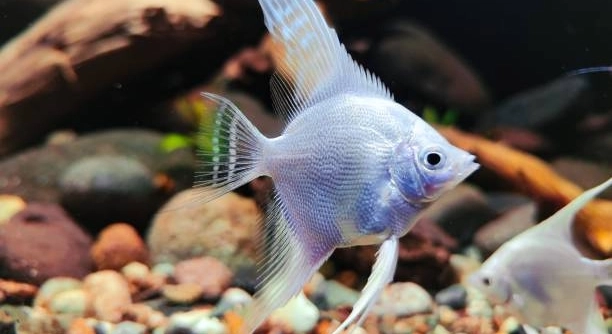
Angelfish are known for their vibrant colors, but sometimes their hues can start to fade. This change can leave many fish owners concerned about their health. Understanding the reasons behind this color loss can help ensure a happy and healthy fish.
Angelfish may lose color due to a variety of reasons including stress, poor water conditions, or inadequate nutrition. These factors can affect their pigmentation and overall health. Identifying the cause is key to restoring their vibrancy.
By addressing the root causes, you can help bring your angelfish’s colors back. Let’s explore the possible reasons behind this issue and how to fix them.
Stress or Aggression
Stress is one of the most common reasons behind color loss in angelfish. Fish can become stressed for several reasons, including sudden changes in water temperature, overcrowding, or aggressive tank mates. When angelfish feel threatened or uncomfortable, their bodies may not produce enough of the pigments that give them their bright colors. This can lead to a noticeable fading in their appearance.
If your angelfish are constantly exposed to stress, they will not only lose color but may also become more susceptible to illness. Monitoring their environment and tank conditions can help reduce stress levels.
To prevent this, ensure that your tank is spacious enough for your angelfish and that they have plenty of hiding places to feel secure. It’s also important to keep tank mates that are peaceful and avoid introducing new fish abruptly. Maintaining a stable, calm environment will help reduce stress and encourage your angelfish to show their true colors.
Poor Water Conditions
Water quality is a major factor that influences your angelfish’s health and coloration. If the water is too dirty, has an incorrect pH, or is too warm or cold, your angelfish may lose color. Angelfish are sensitive to their surroundings and need clean, well-maintained water to thrive.
Regular water changes are essential to ensure the water remains healthy. Check the temperature and pH levels regularly, and always monitor ammonia and nitrate levels to keep the water safe. Poor water conditions not only affect their color but can also lead to stress and illness.
Water changes should be done carefully, as sudden changes can also cause stress. Always ensure the new water is the same temperature and pH level as the existing water in the tank. Proper filtration and frequent water checks are key to keeping your angelfish healthy and vibrant.
Inadequate Diet
An unbalanced diet can lead to color loss in angelfish. If they’re not getting the right nutrients, their color can become dull. Angelfish require a diet rich in protein, vitamins, and minerals to maintain their health and vibrant coloration. Without these, they may not produce the pigments they need.
To keep their colors strong, offer a variety of high-quality foods. Foods like frozen brine shrimp, bloodworms, and spirulina can help boost their color. Avoid feeding them only one type of food, as this can lead to nutritional gaps. Make sure to supplement their diet with foods that are rich in carotenoids, which enhance their natural pigmentation.
Don’t forget that overfeeding can also lead to problems. Excess food can cause water quality issues, which could further stress your angelfish. Offering small, balanced meals regularly is a better approach to both their nutrition and overall well-being.
Illness or Disease
Health issues can cause a change in color, and angelfish are vulnerable to a variety of diseases. Infections, parasites, and internal issues can stress them out, leading to dull colors. If you notice other signs of illness like sluggishness, spots, or abnormal behavior, the cause could be a health problem.
Quick action is necessary if your angelfish is unwell. Start by isolating the sick fish to avoid spreading potential diseases. Regularly checking for common infections like velvet or ich can help you catch issues early. If the illness persists or worsens, consult an expert for diagnosis and treatment.
An untreated disease can not only dull the colors of your fish but also shorten their lifespan. A healthy fish is a colorful fish, so keeping a close eye on their behavior and physical appearance is essential for their long-term health.
Aging
As angelfish get older, their color may naturally fade. Older fish are less likely to maintain their bright pigmentation, especially if they’ve been living for several years. This change is a normal part of their aging process.
While aging can lead to a duller appearance, the fish will still be healthy if cared for properly. Even though their colors may not be as vibrant, they can still live happily in a well-maintained tank. Keep the water clean, provide a balanced diet, and ensure their environment is peaceful to keep them comfortable in their later years.
Genetics
Some angelfish may naturally have a duller color due to genetics. Certain breeds or specific color variations are more prone to fading than others. These traits can be inherited from their parents and might not respond as well to changes in diet or water conditions.
If your angelfish came from a line of fish with naturally less vibrant colors, you may not be able to restore their original hues. However, this does not mean your fish is unhealthy or unhappy. It just means their genetics influence their coloration more than environmental factors.
Water Temperature
Temperature plays a significant role in the health and coloration of angelfish. If the water is too warm or too cold, it can stress your fish and cause their colors to fade. Angelfish prefer water between 76°F and 84°F (24°C – 29°C).
If the water temperature fluctuates too much, the fish might become stressed and their color will suffer. Stable water conditions are essential for keeping their vibrant colors. Using a reliable heater and thermometer will help maintain the right temperature range, which in turn can improve their overall health and appearance.
FAQ
Why is my angelfish turning pale?
Paleness in angelfish often occurs due to stress, poor water quality, or an inadequate diet. When angelfish are stressed by factors like overcrowding, aggressive tank mates, or sudden changes in their environment, their colors may fade. Poor water conditions, such as improper pH or temperature, also contribute to color loss. Additionally, a lack of nutrients in their diet can prevent them from producing the pigments needed for vibrant coloration. Ensure the tank conditions are stable and the fish are receiving a well-balanced diet.
Can I fix my angelfish’s color loss?
Yes, you can fix color loss in angelfish by addressing the underlying cause. Start by improving water quality through regular water changes, maintaining a stable temperature, and checking for proper pH levels. Ensure they’re eating a balanced diet with foods rich in carotenoids, like spirulina and bloodworms. Reducing stress by ensuring the tank is appropriately sized and keeping peaceful tank mates can also help. In some cases, it may take time for the colors to return as the fish adjust.
How do I know if my angelfish is stressed?
Signs of stress in angelfish include fading colors, erratic swimming behavior, hiding excessively, or clamping fins. Stress can be caused by poor water quality, sudden temperature changes, aggressive tank mates, or overcrowding. Keep a close eye on your fish’s behavior and make adjustments to the environment as needed. Providing hiding spots and ensuring proper tank size can reduce stress significantly.
What is the ideal water temperature for angelfish?
Angelfish thrive in water temperatures between 76°F and 84°F (24°C to 29°C). Maintaining a consistent temperature within this range is crucial to their health and coloration. Temperatures outside this range can stress the fish and cause their colors to fade. Use a reliable heater and thermometer to ensure stable water conditions.
Can angelfish lose color due to disease?
Yes, diseases and infections can cause angelfish to lose color. Illnesses like velvet disease or ich can lead to a dull or pale appearance. These diseases often cause additional symptoms like spots on the skin, swelling, or abnormal behavior. If you suspect your angelfish is sick, it’s best to isolate them from other fish and treat them with appropriate medication. Early diagnosis and treatment are key to preventing further health issues and restoring their vibrant colors.
Why is my angelfish turning black?
Angelfish turning black is often due to stress, poor water conditions, or a bacterial infection. Stress from overcrowding, aggressive tank mates, or sudden changes in their environment can cause this darkening. Infections like a fungal or bacterial outbreak can also cause patches of blackness on the fish. Regular water changes, maintaining a stable temperature, and addressing any signs of illness can help prevent further discoloration.
Does lighting affect the color of my angelfish?
Yes, lighting can influence the color of your angelfish. Too much bright light can cause them to become stressed, which may lead to a loss of color. On the other hand, inadequate lighting may not allow their colors to show at their best. It’s important to have a balanced lighting setup that mimics the natural environment of the fish. Using a timer to regulate light periods can help avoid stress while ensuring your angelfish’s colors remain vibrant.
Can I feed my angelfish specific foods to improve their color?
Yes, certain foods can enhance the colors of your angelfish. Foods rich in carotenoids, such as spirulina, shrimp, and other fish that are high in natural pigments, can help your angelfish maintain vibrant colors. Additionally, providing a variety of foods will ensure they get the full range of nutrients needed for healthy pigmentation. Avoid overfeeding, as excess food can degrade water quality, causing other health issues.
How often should I do water changes for my angelfish?
Regular water changes are essential for maintaining a healthy environment for angelfish. It’s generally recommended to change 25% to 30% of the water every two weeks. However, if the tank is heavily stocked or the water quality deteriorates faster, more frequent changes may be necessary. Always test the water parameters before changing the water to ensure the new water matches the temperature and pH of the tank. Regular maintenance will help keep your angelfish healthy and vibrant.
Can angelfish’s color change with age?
Yes, angelfish’s color can change as they age. Older angelfish may experience a natural fading of their colors, especially if they’ve been living for several years. This is a normal part of the aging process and doesn’t necessarily indicate a health issue. While older fish may not maintain their brightest colors, they can still live happily with proper care and attention to water quality, diet, and overall environment.
Final Thoughts
Color loss in angelfish is a common concern for many aquarium owners. There are several factors that can lead to this, ranging from stress to water quality issues or even an inadequate diet. It’s important to understand that while it can be troubling to see your fish lose their vibrant hues, the problem is often fixable. By identifying the underlying cause and addressing it with proper care, you can help restore the color of your angelfish. Whether it’s adjusting the water conditions, offering a balanced diet, or reducing stress factors, taking action will often lead to noticeable improvements.
Keeping your angelfish healthy involves a consistent effort to maintain their environment. Regular water changes, proper filtration, and monitoring the temperature and pH are all essential for a thriving tank. If you notice any signs of illness or changes in behavior, such as fading colors or unusual swimming patterns, it’s important to act quickly. Isolating sick fish, treating them as needed, and improving tank conditions can prevent the issue from spreading or worsening. A little attention to detail can make a big difference in the health and vibrancy of your fish.
Ultimately, understanding that color loss in angelfish is not always a sign of permanent damage is reassuring. Aging, genetics, and temporary stress factors can all play a role in their appearance. With the right care, your angelfish can continue to live a long, healthy life, even if their colors change over time. The key is maintaining a stable and healthy environment where they feel secure and well-fed. By doing so, you’ll give your angelfish the best chance to thrive and show off their natural beauty.

Hello,
If you enjoy the content that we create, please consider saying a "Thank You!" by leaving a tip.
Every little bit helps us continue crafting quality advice that supports the health, happiness, and well-being of pets around the world, for pets of all shapes, sizes, and species.
We really appreciate the kindness and support that you show us!