
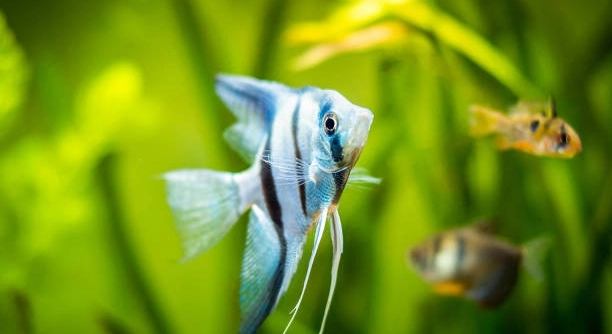
Angelfish are a beautiful addition to any aquarium, but illness can sometimes disrupt their health and well-being. Understanding how to help them recover is essential for ensuring their comfort and longevity in your care.
The recovery process for angelfish depends on providing them with optimal water quality, proper nutrition, and minimal stress. Ensure your fish are kept in a stable, clean environment and monitor their health closely to promote healing.
Taking the right steps can significantly speed up their recovery, helping them return to their healthy state quickly.
1. Ensure Clean Water Conditions
Water quality is crucial for angelfish recovery. In a stressed or sick fish, poor water conditions can make it harder for them to heal. Regularly check the water parameters, including temperature, pH, ammonia, nitrites, and nitrates, to ensure the environment is safe. Make necessary adjustments using water conditioners or appropriate filtration systems.
Maintaining clean water will help reduce stress and speed up the healing process for your angelfish. A well-maintained tank encourages them to focus on recovery rather than dealing with poor conditions.
Changing 25% of the tank water every few days is a good practice while your angelfish recover. It removes toxins and replenishes vital minerals that could aid in their healing. A stable environment plays a large role in preventing further illness from developing, allowing your fish to heal naturally.
2. Provide Nutritious Food
Once your angelfish start feeling better, offer them high-quality food to boost their immune system.
Choosing the right food is essential for angelfish recovery. Opt for high-protein foods, like bloodworms or brine shrimp, which will provide necessary nutrients. Supplements, such as vitamins and minerals, can also aid in strengthening their immune system.
Make sure the food you offer is appropriate for their stage of recovery. Avoid overfeeding, as this can cause water quality issues. It’s better to feed small portions several times a day, ensuring they consume the right amount of nutrients.
3. Monitor Temperature
Temperature affects angelfish recovery. Keep the water at a steady temperature of 76°F to 80°F (24°C to 27°C) to ensure they remain comfortable and active.
A stable temperature promotes healing by supporting their metabolism and immune system. Fluctuating temperatures can cause stress and slow recovery. Use a reliable aquarium heater with a thermometer to maintain a consistent temperature. Regularly check the water temperature to avoid any unexpected drops or increases, as even small changes can negatively affect your angelfish.
If the fish seem lethargic or disoriented, it could indicate that the water temperature is too high or low. Maintaining a steady, warm environment can encourage them to be more active, which may help in their recovery process.
4. Minimize Stress
Stress can greatly hinder an angelfish’s recovery. Avoid sudden changes in the tank environment, as this can cause unnecessary strain.
Angelfish are sensitive to changes in their surroundings. Limit noise, avoid tapping on the glass, and reduce the presence of other fish if needed. Keeping the tank peaceful can help your angelfish feel secure and speed up recovery. Stress weakens their immune system, so it’s important to create a calm, stable environment.
Consider using aquarium decorations to create hiding spots. This gives your angelfish a sense of security and helps them feel protected while recovering. A stress-free environment encourages your angelfish to regain strength and improve faster.
5. Avoid Overcrowding
Overcrowding in your tank can worsen illness recovery. Make sure there is enough space for your angelfish to swim freely and avoid stress.
An overcrowded tank can lead to poor water quality and increased competition for food. It’s important to only keep as many fish as the tank can comfortably support. This allows your angelfish to heal without added pressure from other fish.
Proper tank size and stocking density promote healthier fish. If possible, consider temporarily moving other fish to a different tank while your angelfish recover. This reduces stress and gives your angelfish the space they need to heal properly.
6. Treat With Care
When treating your angelfish, be sure to use the correct medications for their specific condition.
Always follow the instructions on the medication label carefully. Too much or too little can harm your angelfish rather than help them recover. Also, use a quarantine tank if possible to isolate sick fish, as this prevents spreading illnesses.
Proper treatment ensures the healing process goes smoothly. Make sure your angelfish is monitored for side effects, and adjust the treatment as needed for the best results.
7. Stay Patient
Healing takes time, so be patient with your angelfish. Avoid rushing the recovery process.
Recovery times vary depending on the illness and severity. Keep a close eye on their progress, but remember that they need time to fully heal. Giving them the proper care will help them bounce back.
FAQ
How long does it take for angelfish to recover from illness?
The recovery time for angelfish depends on the type and severity of the illness. For minor conditions, they may recover in a few days, while more serious illnesses could take weeks. It’s important to monitor their progress and maintain optimal conditions to support their recovery.
Can I use salt to help angelfish recover from illness?
Yes, aquarium salt can help with some illnesses, especially external parasites or wounds. However, it’s crucial to use it in moderation and only for specific conditions. Too much salt can harm your angelfish, so always follow guidelines for salt usage based on your tank’s size and the illness being treated.
Is it safe to add medication while the angelfish are still in the main tank?
It depends on the type of medication. Some medications may affect the other fish or cause a disruption in the tank’s balance. It’s often better to isolate the sick fish in a quarantine tank while treating them. If you must treat them in the main tank, be sure to use medications that are safe for all tank inhabitants.
How do I know if my angelfish is too stressed?
Signs of stress in angelfish include lethargy, loss of appetite, abnormal swimming behavior, or hiding more than usual. They may also display rapid gill movement or clamped fins. If you notice these signs, it’s important to check water conditions and reduce any potential stress factors.
Can water changes help speed up my angelfish’s recovery?
Yes, regular water changes can help by removing toxins and maintaining a clean, stable environment. For sick angelfish, changing 25-30% of the water every few days is ideal. Just be sure to match the temperature and pH of the new water to avoid causing additional stress.
Should I stop feeding my angelfish when they’re sick?
No, you should continue feeding your angelfish, but offer small amounts of high-quality food. It’s important not to overfeed, as uneaten food can degrade water quality. Focus on easily digestible foods like brine shrimp or bloodworms, which can help provide the nutrients needed for recovery.
How can I improve the water quality for a sick angelfish?
To improve water quality, make sure your filtration system is working properly. Perform regular water changes, check the ammonia, nitrite, and nitrate levels, and use a water conditioner if necessary. Keeping the water clean and at the proper temperature is essential for healing.
Is it okay to add new fish while treating my angelfish?
It’s best to avoid adding new fish while treating sick angelfish. New fish could introduce diseases or add stress to the existing ones. Wait until your angelfish has fully recovered before introducing any new tank mates.
Should I keep the lights on or off for a sick angelfish?
Keeping the lights dim or off can reduce stress for sick angelfish. Bright lights can increase stress, especially if your fish is feeling weak or vulnerable. If you do keep the lights on, make sure they are not too bright and consider providing hiding spots for your fish.
How do I prevent future illness in my angelfish?
Preventing illness starts with maintaining good water quality, providing a balanced diet, and avoiding overcrowding. Regularly monitor water conditions, perform routine maintenance, and quarantine new fish before introducing them to the tank. A clean, stress-free environment is key to healthy fish.
Can I treat multiple sick fish at once?
If more than one angelfish is showing signs of illness, you can treat them together, but only if the illness is not contagious to other tankmates. If possible, treat them in a quarantine tank to prevent further spread of illness. Always follow treatment instructions and monitor each fish’s response to the medication.
Why is my angelfish not eating while sick?
A sick angelfish may lose its appetite due to stress, illness, or changes in water conditions. If they’re not eating, check the water quality and make sure it’s within the ideal range. If their condition worsens, you may need to try different types of food or medication for a more targeted approach.
Final Thoughts
Caring for a sick angelfish requires attention to detail and patience. Recovery doesn’t happen overnight, and it’s essential to stay consistent with water quality, temperature, and medication. A calm and stable environment will help reduce stress, which is crucial for healing. While it may take some time, proper care ensures your angelfish has the best chance of recovering.
The most important factors in aiding recovery are maintaining the right water conditions and minimizing stress. Regular water changes, proper filtration, and monitoring temperature will create a healing environment. Be mindful of the signs of illness and treat your fish early to prevent conditions from worsening. Ensuring they have a peaceful tank will allow them to rest and heal without unnecessary disturbances.
Patience is key when dealing with a sick angelfish. Avoid rushing the healing process, and remember that every fish is different. Some may recover more quickly, while others may need more time. Continue providing the best care possible, and be prepared for gradual improvement. Following these simple steps will help ensure your angelfish recovers safely and stays healthy in the long term.

Hello,
If you enjoy the content that we create, please consider saying a "Thank You!" by leaving a tip.
Every little bit helps us continue crafting quality advice that supports the health, happiness, and well-being of pets around the world, for pets of all shapes, sizes, and species.
We really appreciate the kindness and support that you show us!