
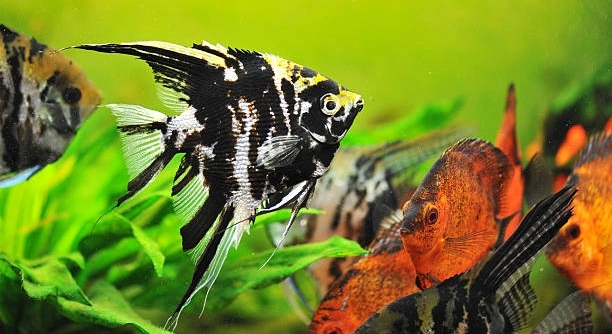
Angelfish are beautiful and peaceful aquarium dwellers, but they can sometimes exhibit unusual behavior. One such behavior is floating upside down, which may concern their owner. Understanding the potential causes can help address the issue effectively.
The most common causes of angelfish floating upside down include swim bladder disease, improper water conditions, or a dietary imbalance. Other factors, such as stress, infections, and injury, can also contribute to this behavior in affected fish.
Knowing the cause behind your angelfish’s behavior can aid in resolving the issue. Identifying the symptoms early ensures the health and comfort of your fish.
Swim Bladder Disease
Swim bladder disease is one of the leading causes of abnormal swimming behavior in angelfish. This condition affects the fish’s ability to maintain buoyancy and control its movement. Fish with swim bladder disease often float upside down or struggle to stay upright. The disorder can result from a variety of factors, including bacterial infections, physical damage to the swim bladder, or poor water quality.
Infected or injured angelfish may also show other signs, such as difficulty swimming or a bloated abdomen. If left untreated, swim bladder disease can cause long-term damage to the fish’s health. Maintaining clean, stable water conditions is crucial to prevent and manage this issue.
To prevent swim bladder disease, it is important to ensure your aquarium’s water temperature, pH, and ammonia levels are properly balanced. If you suspect an issue, isolating the affected fish in a separate tank with clean water can help reduce stress and facilitate recovery.
Poor Water Conditions
Water quality plays a critical role in the health of your angelfish. Ammonia, nitrite, and nitrate levels should be monitored regularly. Poor water conditions can stress your fish and lead to symptoms like floating upside down.
Consistently checking your aquarium’s water parameters and performing regular water changes can prevent many health problems. Angelfish thrive in stable environments where these levels remain balanced. High levels of toxins, such as ammonia and nitrites, can overwhelm the fish’s immune system and make them more susceptible to infections, including swim bladder disease.
In addition, water temperature should be maintained between 76°F and 82°F for optimal health. Extreme fluctuations can stress your angelfish, contributing to swimming problems. Proper filtration and cleaning routines ensure the water remains clean and safe for your fish.
Nutritional Imbalance
A poor diet can also lead to your angelfish floating upside down. Overfeeding or providing a diet that lacks necessary nutrients can result in bloating, which affects buoyancy. This is often linked to constipation, which can put pressure on the swim bladder.
Feeding your fish a balanced diet is essential. High-quality flakes, pellets, and occasional live or frozen foods can help maintain their overall health. Overfeeding should be avoided as excess food can decompose in the tank, negatively affecting water quality.
It’s important to feed your angelfish in moderation. Adjusting feeding times to avoid excess food buildup in the tank also promotes a cleaner environment. Additionally, providing variety in their diet ensures they receive all necessary nutrients, supporting their digestion and buoyancy.
Stress and Anxiety
Angelfish are sensitive creatures and can become stressed from sudden changes in their environment. High levels of stress can result in floating upside down or exhibiting other erratic swimming behaviors. Stress can come from overcrowding, aggressive tank mates, or rapid changes in water conditions.
To reduce stress, ensure your fish have a stable, quiet environment. Avoid placing the tank in high-traffic areas or near loud noises. Creating hiding spots and providing plenty of space for swimming can also reduce stress levels. Additionally, make sure your fish are not competing for food with other more aggressive species in the tank.
Monitoring the behavior of your angelfish closely can help spot early signs of stress. If your fish are acting out of the ordinary, it may be worth checking the water conditions or making adjustments to the tank’s setup. Proper tank maintenance and a calm atmosphere are key to keeping your angelfish healthy and stress-free.
Injury or Trauma
Physical injury or trauma can result in abnormal swimming and a disoriented angelfish. This may happen if your fish are exposed to aggressive tank mates or sharp objects in the aquarium. Even a slight injury to the swim bladder or fins can cause buoyancy issues.
If you notice an injury, separate the affected fish from the others to prevent further harm. Using a quarantine tank for recovery can provide a stress-free space to heal. Injuries may also cause the fish to float upside down or swim in circles due to difficulty controlling buoyancy.
The healing process may take time, depending on the extent of the injury. To assist in recovery, provide the injured fish with clean water, minimal disturbance, and a balanced diet. Avoid feeding until the fish starts swimming normally again.
Infections
Infections, particularly bacterial or parasitic, can also cause abnormal swimming behavior in angelfish. These infections often affect the swim bladder or digestive system, leading to an inability to maintain normal buoyancy. Symptoms such as bloating, abnormal swimming, or a change in the fish’s appearance may signal an infection.
Identifying the type of infection early is crucial for effective treatment. Bacterial infections often cause swelling and can be treated with medications available at most aquarium supply stores. If the infection is parasitic, anti-parasitic treatments may be required to address the problem.
To prevent infections, maintain proper water quality and avoid introducing new fish without quarantine. Quarantining new fish for a few weeks can prevent the spread of harmful pathogens to your established aquarium.
Overfeeding
Overfeeding can lead to a number of issues for angelfish, including digestive problems and bloating. When fish consume too much food, their digestive system becomes overwhelmed. This can result in constipation or swelling, which may affect their buoyancy.
Feeding your fish only what they can consume in a few minutes is key. Overfeeding not only stresses the fish but also leads to poor water quality as uneaten food decomposes in the tank. Remove any uneaten food after feeding time to keep the tank clean. Stick to a consistent feeding schedule to avoid overfeeding.
Poor Tank Maintenance
Failing to maintain your aquarium can lead to imbalanced water conditions, which affect your fish’s health. Without proper filtration, harmful chemicals like ammonia and nitrites can build up, causing stress and illness. Regular water changes and filter maintenance are necessary.
Test the water regularly for pH, ammonia, nitrites, and nitrates. Performing partial water changes once a week can help maintain water quality. Keeping the tank free from debris and uneaten food is also essential.
Temperature Fluctuations
Temperature fluctuations can stress angelfish, causing abnormal swimming behavior or buoyancy issues. Fish are highly sensitive to temperature changes, and if the water is too cold or too hot, it can affect their health.
Make sure your aquarium’s heater is functioning properly and set to a consistent temperature between 76°F and 82°F. Avoid placing your tank near windows or heaters that could cause temperature swings. Regularly check the water temperature to ensure stability.
FAQ
Why is my angelfish swimming upside down?
Swimming upside down can be a sign of swim bladder disease, which affects the fish’s ability to control buoyancy. This can result from injury, infections, or poor water quality. Stress or an improper diet can also contribute to this behavior. The issue can often be managed by adjusting water conditions and isolating the affected fish.
How can I fix my angelfish’s upside-down swimming?
To fix this problem, first ensure the water quality is optimal. Test for ammonia, nitrites, and nitrates, and perform water changes if necessary. If swim bladder disease is suspected, treat the fish with medications designed for this issue. Providing a proper diet and maintaining water temperature within the appropriate range can also help. Separating the fish from others may reduce stress and aid recovery.
Can overfeeding cause my angelfish to float upside down?
Yes, overfeeding can lead to bloating or constipation, which can affect buoyancy. When too much food is consumed, it can put pressure on the swim bladder and cause abnormal swimming behavior, including floating upside down. Stick to a feeding schedule and ensure your angelfish eats only what it can consume in a few minutes.
Is swim bladder disease curable in angelfish?
Swim bladder disease is treatable if caught early. Treatment may include adjusting water quality, separating the affected fish, and offering a proper diet. Medications designed for swim bladder issues can also be used. However, some fish may need long-term care, and in severe cases, recovery might not be possible.
Can stress cause my angelfish to swim upside down?
Yes, stress can cause abnormal behavior, including swimming upside down. Angelfish are sensitive to changes in their environment, overcrowding, or aggressive tank mates. To reduce stress, ensure the tank is peaceful, with adequate space and hiding spots. Maintaining stable water conditions also helps reduce stress-related behaviors.
What are the signs that my angelfish are stressed?
Stressed angelfish may exhibit erratic swimming, hide more often, or refuse to eat. They may also show signs of fin clamping, where their fins are held close to their bodies. Changes in their behavior or appearance, such as faded colors or rapid gill movement, can indicate stress.
How often should I feed my angelfish?
Feeding your angelfish once or twice a day is typically enough. Offer only as much food as they can eat in a few minutes. Overfeeding can lead to digestive issues and poor water quality, so it’s important to avoid excess food accumulation in the tank.
Can poor water conditions make my angelfish float upside down?
Yes, poor water conditions can cause swim bladder problems or stress, both of which can result in abnormal swimming behavior, including floating upside down. Regular water changes, proper filtration, and testing for harmful chemicals are essential to prevent these issues. Keep the water clean and stable for the health of your fish.
Is it safe to use medication for swim bladder disease?
Medications designed specifically for swim bladder disease can be effective, but they should be used according to instructions. Isolating the affected fish and keeping the tank clean is also important during treatment. Ensure that any medication used is suitable for your angelfish species.
Can temperature fluctuations cause my angelfish to swim upside down?
Yes, temperature fluctuations can cause stress and disrupt the fish’s normal swimming behavior. Angelfish thrive in a stable temperature range of 76°F to 82°F. Sudden drops or rises in temperature can cause them to become disoriented or stressed, potentially leading to swimming issues like floating upside down.
Final Thoughts
When an angelfish begins to float upside down, it can be a sign of several potential issues, including swim bladder disease, stress, injury, or poor water quality. Addressing the root cause requires careful observation and quick action. By keeping an eye on the fish’s behavior and monitoring water conditions, it becomes easier to identify and resolve the issue. Taking immediate steps to improve the tank environment can often make a significant difference in the health of your angelfish.
Proper tank maintenance plays a crucial role in preventing many of the problems that lead to abnormal swimming behavior. Regular water changes, cleaning the tank, and keeping the filtration system in good working order can help prevent poor water quality from affecting the health of your fish. Avoiding overfeeding and maintaining a stable temperature are also key to keeping your angelfish healthy. Consistency is important in maintaining an environment where your fish can thrive and reduce the chances of stress-related behaviors.
Ultimately, the health of your angelfish is largely determined by the conditions of its environment and the care it receives. While floating upside down can be alarming, it is often fixable with the right approach. Regularly testing water quality, ensuring a balanced diet, and minimizing stress can go a long way in keeping your angelfish happy and healthy. If you notice continued or worsening symptoms, consider consulting a veterinarian or aquarium specialist for more targeted advice.

Hello,
If you enjoy the content that we create, please consider saying a "Thank You!" by leaving a tip.
Every little bit helps us continue crafting quality advice that supports the health, happiness, and well-being of pets around the world, for pets of all shapes, sizes, and species.
We really appreciate the kindness and support that you show us!