
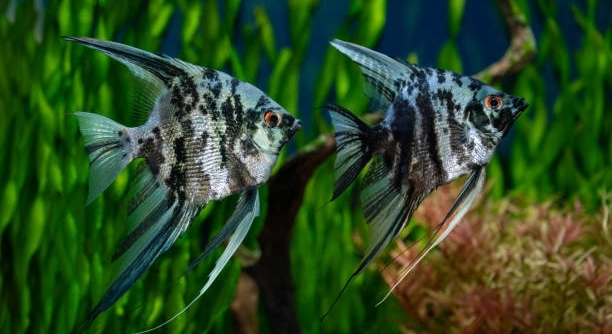
Understanding Angelfish’s Breathing Patterns
Rapid gill movement in angelfish is often a sign of stress or discomfort. Several factors can trigger this response, such as water quality, oxygen levels, or physical conditions affecting the fish. It’s essential to identify the underlying issue to ensure your angelfish’s well-being.
One of the first things to check is the water temperature. If it’s too high, angelfish may breathe more rapidly to compensate for lower oxygen levels. Warm water holds less dissolved oxygen, which forces the fish to use more energy to extract oxygen from the water.
Another key factor is water quality. High ammonia, nitrite, or nitrate levels can irritate your angelfish’s gills and make them breathe quickly. If you suspect poor water quality, it’s best to test your aquarium’s water regularly and perform routine water changes to maintain a healthy environment. Regular cleaning of the tank can help remove harmful toxins that could be affecting your fish.
The Role of Oxygen Levels
Low oxygen levels can lead to rapid gill movement in angelfish. When oxygen is insufficient, fish increase their breathing rate to take in more air. Ensuring proper aeration in the tank is essential for maintaining healthy oxygen levels.
To prevent low oxygen levels, consider using an air pump or increasing water circulation. Plants in the aquarium can also help boost oxygen, but ensure there’s enough water movement to prevent stagnant spots. If oxygen levels are consistently low, you may need to adjust your tank setup.
Water Temperature and Its Impact
Water temperature directly affects an angelfish’s metabolism. When the water is too warm, angelfish may increase their gill movement as they struggle to get enough oxygen.
Maintaining a consistent water temperature between 75°F and 82°F is ideal for angelfish. Water that’s too hot can lead to stress and rapid gill movement. On the other hand, colder temperatures slow down their metabolism, making them more sluggish. Using a reliable aquarium heater can help keep the water stable and prevent temperature fluctuations that could stress your fish.
Fish that experience sudden temperature changes can go into shock, causing rapid gill movement and other signs of distress. Regularly check your tank’s temperature to ensure it remains within the optimal range. Invest in a thermometer to avoid unexpected temperature shifts that could harm your angelfish.
Ammonia and Nitrite Poisoning
Ammonia or nitrite poisoning can trigger fast gill movement in angelfish. These toxins are often the result of improper tank maintenance or an overstocked aquarium.
Ammonia buildup occurs when fish waste, leftover food, and decaying plant matter decompose. If not removed through proper filtration or water changes, it can quickly poison the water, forcing your angelfish to breathe rapidly. Nitrites, which form when ammonia is converted in the nitrogen cycle, also cause similar issues.
Regular water testing is crucial to monitor ammonia and nitrite levels. If you notice elevated levels, perform a water change and improve filtration. Ensure the tank is not overstocked, as too many fish contribute to high waste levels, making it harder to maintain water quality.
Overcrowding in the Tank
Overcrowding increases stress and poor water quality, both of which can cause your angelfish to breathe rapidly. Too many fish in one tank means more waste, making it harder to maintain a clean environment.
Angelfish require space to swim freely. Overcrowding limits their ability to move, leading to stress and increased breathing. Ensure your aquarium is appropriately sized for the number of fish you have. A 20-gallon tank is the minimum for a pair of angelfish. Proper stocking helps prevent rapid gill movement caused by overcrowding.
Disease and Infection
Diseases or infections can cause angelfish to breathe quickly. External parasites, such as gill flukes or ich, can irritate the gills and increase breathing rate.
Infected fish may also show other symptoms like abnormal swimming patterns or visible lesions. If you notice signs of infection, isolate the affected fish immediately to prevent spreading the disease. Consult a veterinarian or aquarium specialist to treat any infections promptly and help your angelfish recover.
Poor Water Filtration
Poor filtration is a common cause of rapid gill movement in angelfish. Without effective filtration, toxins build up in the water, stressing the fish.
A good filtration system helps keep the water clean by removing waste and harmful substances. It’s essential to choose the right filter for your tank size and regularly clean it to maintain optimal filtration.
FAQ
Why are my angelfish’s gills moving rapidly?
Rapid gill movement in angelfish usually signals stress or discomfort. Possible causes include poor water quality, low oxygen levels, temperature fluctuations, overcrowding, or the presence of toxins such as ammonia and nitrites. Additionally, diseases or infections may also lead to rapid gill movement. Identifying the source of stress or discomfort is crucial for resolving the issue and ensuring the well-being of your angelfish.
How can I fix low oxygen levels in my tank?
To address low oxygen levels, increase water circulation by adding an air pump or a water filter that promotes movement. Live plants can also help boost oxygen levels, though water movement is necessary to avoid stagnant areas. If oxygen levels remain low, ensure your tank isn’t overcrowded, and perform regular water changes to maintain a healthy environment.
What temperature should my angelfish’s tank be?
Angelfish thrive in temperatures between 75°F and 82°F. Water that is too warm can lower oxygen levels, causing rapid gill movement. On the other hand, water that is too cold can slow down their metabolism and lead to sluggishness. Use an aquarium heater to maintain a consistent temperature and avoid fluctuations that can stress your angelfish.
How often should I clean my angelfish tank?
Cleaning your angelfish tank regularly is vital for maintaining water quality. Perform partial water changes every 1-2 weeks, depending on tank size and stocking levels. Clean the filter every 4-6 weeks and remove any visible debris from the substrate. Regular maintenance will help prevent toxins from building up, ensuring a healthy environment for your fish.
What is the best way to check water quality?
The most effective way to check water quality is by testing for ammonia, nitrites, and nitrates. You can use an aquarium test kit to monitor these levels. Ideal water conditions for angelfish include 0 ppm ammonia, 0 ppm nitrites, and nitrates below 20 ppm. Regular testing will help you identify problems early and maintain optimal conditions for your fish.
How do I know if my angelfish is sick?
Signs of illness in angelfish include rapid gill movement, loss of appetite, abnormal swimming behavior, visible lesions, or clamped fins. If you notice any of these symptoms, isolate the affected fish and observe them closely. It’s best to consult a veterinarian or aquarium specialist for accurate diagnosis and treatment options.
What should I do if my angelfish is infected with parasites?
If your angelfish shows signs of parasitic infection, such as excess mucus, frayed fins, or rapid gill movement, isolate the affected fish to prevent the spread of the parasites. Depending on the parasite, you may need to treat the tank with specific medications or adjust water conditions to reduce stress. Consult an aquarium specialist to ensure effective treatment.
Can poor filtration cause rapid gill movement?
Yes, poor filtration can lead to rapid gill movement in angelfish. Without proper filtration, waste and toxins build up in the water, creating an unhealthy environment that stresses the fish. To avoid this, ensure that your filter is adequate for the size of your tank and clean it regularly to maintain efficient filtration.
How do I prevent overcrowding in my angelfish tank?
To prevent overcrowding, ensure that your tank is appropriately sized for the number of fish you have. Angelfish require at least 20 gallons of water for a pair, with additional space needed for each extra fish. Regularly monitor your tank’s stocking levels and make adjustments as needed to prevent overcrowding, which can cause stress and rapid gill movement.
What should I do if my angelfish’s water has high ammonia levels?
If your tank has high ammonia levels, perform a partial water change immediately to dilute the concentration. Use a water conditioner to detoxify the ammonia temporarily. Check your filter to ensure it’s working properly and consider adding a biological filter to help break down toxins more effectively. Regular water testing is crucial to avoid future ammonia spikes.
How can I improve the water quality in my angelfish tank?
To improve water quality, maintain a proper filtration system and perform regular water changes. Test the water regularly for ammonia, nitrites, and nitrates. Clean the substrate and decorations to remove debris and excess food. Ensure the tank isn’t overcrowded, as this can lead to higher waste levels and poorer water quality.
Final Thoughts
Understanding why your angelfish’s gills are moving rapidly is key to ensuring their health. Rapid gill movement often signals stress or discomfort. It could be due to factors like poor water quality, low oxygen levels, or temperature fluctuations. Identifying the cause early can help prevent further stress and keep your angelfish happy. Regular monitoring of water parameters, maintaining appropriate tank conditions, and making necessary adjustments when needed will go a long way in preventing rapid gill movement in the future.
Another critical aspect is keeping the tank environment clean and stable. Proper filtration, maintaining the right water temperature, and regular water changes are essential for maintaining water quality. When any of these factors are neglected, it can lead to toxins like ammonia or nitrites building up, which stresses your angelfish and causes rapid breathing. Overcrowding should also be avoided, as it increases waste and stress, leading to abnormal behavior like fast gill movement. Keeping the tank clean and ensuring the right balance of fish will contribute to the overall health of your angelfish.
Lastly, always keep an eye out for signs of disease or infection. Infections can also cause rapid gill movement and other symptoms like abnormal swimming or lack of appetite. If any of these signs appear, it’s important to isolate the affected fish and seek professional advice or treatment. By maintaining a balanced, clean environment and addressing any health concerns promptly, you can ensure your angelfish remain healthy and comfortable in their home.

Hello,
If you enjoy the content that we create, please consider saying a "Thank You!" by leaving a tip.
Every little bit helps us continue crafting quality advice that supports the health, happiness, and well-being of pets around the world, for pets of all shapes, sizes, and species.
We really appreciate the kindness and support that you show us!