
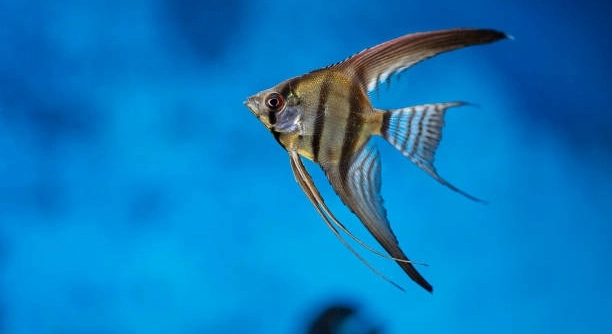
Angelfish are known for their beauty and vibrant colors, but when their fins turn black, it can be concerning. Understanding the potential causes of this change can help you restore their health and prevent further issues.
The blackening of an angelfish’s fins is often a sign of underlying problems, such as poor water quality, injuries, or diseases like fin rot. It may also be related to stress, temperature fluctuations, or nutritional deficiencies.
Knowing the causes of blackened fins can help you address the issue more effectively. Taking prompt action can ensure your angelfish regains its health and vitality.
Poor Water Quality
One of the most common reasons for blackening fins in angelfish is poor water quality. If the water in the tank is not regularly changed or filtered properly, harmful substances like ammonia, nitrites, and nitrates build up. These toxins stress the fish, weakening its immune system and making it more prone to infections. High levels of organic waste, leftover food, and even algae can contribute to poor water conditions. It’s crucial to test the water regularly and maintain a proper filtration system to keep the tank clean.
Keeping the water clean not only benefits your angelfish but also creates a healthier environment for any other tank inhabitants. Make sure the water temperature is stable, as fluctuations can also stress the fish.
Regular water changes and proper filtration are key to ensuring your fish stay healthy. Clean water will support their immune system, preventing the development of blackened fins caused by stress and disease.
Injuries
Injuries are another common cause of blackened fins in angelfish. Sharp objects, aggressive tankmates, or accidents can cause wounds on their fins. When the skin is damaged, it may become infected, leading to discoloration and a darkening of the affected area.
If an injury is suspected, closely observe the affected fins for signs of infection or additional damage. Separate the injured fish if necessary and ensure the tank is free from any sharp objects or aggressive species.
Treating the wound quickly is important. You may need to apply aquarium salt or an antibacterial treatment to prevent further complications. If untreated, injuries can lead to long-term health issues and persistent blackened fins.
Stress
Stress can cause angelfish to develop blackened fins. When they feel threatened by aggressive tankmates or sudden changes in their environment, their immune system weakens, making them more susceptible to infections. Factors like overcrowding or loud noises can also add to their stress levels.
To reduce stress, create a peaceful environment by ensuring enough space for all fish in the tank. A good rule is to avoid overstocking, as it causes competition for space and food. If aggression is a problem, consider adding more hiding spots or rearranging the tank to reduce territorial behavior.
Paying attention to the tank’s layout, water quality, and fish behavior can help manage stress levels. Keeping the tankmates compatible and peaceful is essential. By addressing these factors, you can prevent your angelfish from becoming overly stressed and ensure their health remains stable.
Poor Diet
A poor diet can lead to blackened fins in angelfish. When they don’t receive enough of the proper nutrients, their immune system weakens, and they become more vulnerable to diseases. This can result in symptoms like fin discoloration. A lack of vitamins, minerals, and essential fatty acids can be detrimental.
Ensure your angelfish are fed a balanced diet with a mix of high-quality pellets, flakes, and occasional live or frozen food. Foods rich in vitamins A and C, along with Omega-3 fatty acids, help boost their immune system and keep their fins vibrant. Regularly changing their diet can prevent nutrient deficiencies.
Along with providing variety in their food, avoid overfeeding. Excess food can contribute to poor water quality, which worsens the condition. Keeping a consistent feeding schedule and offering nutritious food will support the overall health of your angelfish. This will help prevent fin issues, including blackening.
Temperature Fluctuations
Sudden temperature changes can cause stress to angelfish, which can lead to blackened fins. Fluctuations can happen when heaters malfunction or the tank is placed near a drafty window or air conditioning.
Consistent water temperature is essential for the health of your angelfish. Aim for a stable temperature between 75-82°F (24-28°C). Use a reliable heater with a thermostat to prevent temperature changes that could stress your fish.
A stable environment encourages optimal health and reduces the risk of fin discoloration. Ensure the tank is kept in a place with minimal drafts and temperature shifts to maintain a comfortable habitat for your fish.
Fin Rot
Fin rot is a common disease that causes blackening of the fins. It’s often caused by bacteria entering damaged or weakened fins. When the infection spreads, it leads to tissue decay and darkened edges on the fins.
To prevent fin rot, maintain good water quality, treat injuries promptly, and avoid overcrowding. Regularly check the fins for any signs of deterioration or infection. Infected fish should be quarantined and treated with an antibacterial solution.
Treating fin rot early can prevent further spread of the infection. If not addressed, the condition may worsen and lead to the loss of fins.
Overcrowding
Overcrowding in a tank stresses angelfish and leads to poor water quality, which can cause blackened fins. Fish need space to swim, establish territories, and reduce competition.
Make sure the tank size is suitable for the number of fish. A good guideline is 1 inch of fish per gallon of water. Overcrowded tanks cause aggression and competition for food, which can result in fin damage and blackening.
Ensure the tank is large enough to comfortably house your fish. This helps prevent issues related to overcrowding and promotes a healthier environment.
FAQ
Why do angelfish fins turn black?
Angelfish fins can turn black due to several reasons. Poor water quality is one of the main causes, as toxins build up and stress the fish. Other reasons include injuries, stress, poor diet, temperature fluctuations, and infections like fin rot. Addressing these factors promptly can help prevent further damage and restore your angelfish’s health.
How can I improve the water quality for my angelfish?
To improve water quality, regularly perform water changes and use a good filtration system. Test the water for ammonia, nitrites, and nitrates, and make sure the levels are within safe ranges. Aim for a 25-30% water change every two weeks. Additionally, avoid overfeeding and remove uneaten food to prevent waste buildup. Keep the tank clean by vacuuming the substrate and ensuring the filter works efficiently.
What should I do if my angelfish has fin rot?
If your angelfish shows signs of fin rot, such as blackened or deteriorating fins, quarantine the fish and treat it with an antibacterial medication. Keep the water quality high to support healing. Use aquarium salt to help reduce stress and promote healing. If the rot is severe, seek professional advice for further treatment. Regularly check the condition of the fins to ensure the infection is not spreading.
How do I manage stress in my angelfish?
To manage stress in angelfish, ensure a peaceful tank environment with compatible tankmates. Avoid overcrowding and provide plenty of hiding spots. Maintain consistent water parameters, and avoid sudden changes in temperature or water quality. Make sure your fish has enough space to swim comfortably, as cramped conditions increase stress levels.
Can a poor diet cause blackened fins in angelfish?
Yes, a poor diet can cause blackened fins in angelfish. A lack of essential nutrients, such as vitamins A and C or Omega-3 fatty acids, weakens their immune system and makes them more susceptible to infections. Feed your angelfish a varied diet that includes high-quality flakes or pellets, along with live or frozen foods like brine shrimp or bloodworms. Regularly provide a mix of foods to ensure a balanced diet for your fish.
Is it safe to treat fin rot with salt?
Using aquarium salt can be an effective way to treat fin rot, but it should be done carefully. Salt helps reduce stress and promotes healing by creating a cleaner environment. However, it’s important to monitor the fish closely, as excessive salt can cause harm. Always dissolve salt in water before adding it to the tank, and avoid using salt with species that are sensitive to it. If you’re uncertain, consult a professional for advice.
Can angelfish recover from blackened fins?
Yes, angelfish can recover from blackened fins if the underlying cause is addressed promptly. Ensuring high water quality, providing a nutritious diet, and managing stress levels are crucial steps. If the blackening is due to an infection, appropriate treatments like antibacterial medications can help. Recovery time will depend on the severity of the damage and how quickly the issue is addressed.
How can I prevent my angelfish from getting injured?
To prevent injuries in angelfish, avoid sharp objects or decorations in the tank that may cause physical harm. Ensure tankmates are peaceful and not overly aggressive, as territorial fish can cause injury. Provide plenty of hiding spaces and swimming room for the fish, and avoid overcrowding, as cramped spaces increase the risk of accidents. Regularly check the tank for any potential hazards that could harm your fish.
How do I maintain a stable tank temperature?
Maintaining a stable tank temperature is crucial for the health of your angelfish. Use a reliable aquarium heater with a built-in thermostat to regulate the water temperature. Check the temperature regularly with a thermometer to ensure it stays within the optimal range of 75-82°F (24-28°C). Avoid placing the tank in areas with drafts, such as near windows or air conditioners, as temperature fluctuations can cause stress.
How do I know if my angelfish is stressed?
Signs of stress in angelfish include rapid swimming, hiding, loss of appetite, faded colors, and erratic behavior. Stress can be caused by poor water quality, incompatible tankmates, overcrowding, or sudden changes in the environment. If you notice these signs, assess the tank conditions and make adjustments to reduce stressors. Maintaining a consistent and peaceful environment is key to preventing long-term stress in your fish.
Final Thoughts
Understanding the reasons behind blackened fins in angelfish is important for addressing the issue effectively. Several factors, such as poor water quality, stress, infections, and diet, can contribute to this problem. By recognizing the cause early on, you can take steps to improve the environment and care for your fish properly. Paying attention to their behavior, water conditions, and diet will go a long way in ensuring the health of your angelfish.
Maintaining a stable and clean environment is essential for preventing many common fish health issues. Regular water changes, proper filtration, and monitoring water parameters can help avoid the buildup of toxins. Additionally, providing a balanced diet with a variety of foods is crucial for their immune system. A well-fed angelfish is less likely to succumb to infections that can cause fin discoloration. Ensuring the water temperature remains stable and avoiding sudden changes will also contribute to your angelfish’s overall well-being.
Lastly, being aware of the signs of stress and injury in your fish can help you react quickly. Stress and poor tank conditions are often the root causes of many health problems in fish. Keeping a peaceful tank with compatible tankmates and offering enough space to swim will reduce stress. By monitoring your fish closely and acting quickly when you notice any issues, you can support your angelfish’s recovery and prevent further complications.

Hello,
If you enjoy the content that we create, please consider saying a "Thank You!" by leaving a tip.
Every little bit helps us continue crafting quality advice that supports the health, happiness, and well-being of pets around the world, for pets of all shapes, sizes, and species.
We really appreciate the kindness and support that you show us!