
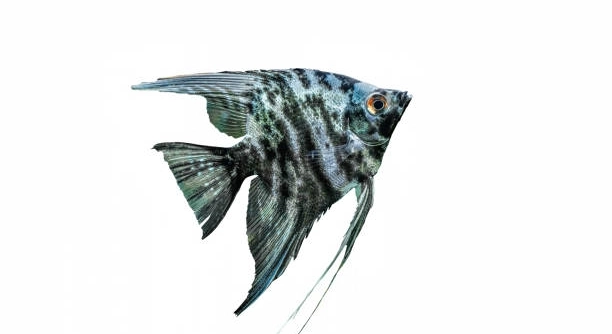
Angelfish are known for their graceful swimming patterns, but sometimes, they swim in circles. This unusual behavior can leave owners puzzled, wondering what could be causing it. Understanding the reasons behind this movement is important.
The main reasons angelfish swim in circles include stress, illness, territorial behavior, or a lack of stimulation. Environmental factors like water quality or tank conditions can also contribute to this behavior. Identifying the underlying cause requires careful observation.
Addressing the root cause of this behavior can help improve your angelfish’s health and well-being, ensuring they thrive in their environment.
Stress and Anxiety
Angelfish can swim in circles when stressed or anxious. Stress often results from sudden changes in their environment, such as new tank mates, loud noises, or changes in water temperature. This behavior is a sign that the fish feels threatened or unsettled in its surroundings. Even small disturbances can make angelfish feel insecure, and swimming in circles might be a coping mechanism.
Stress can also be caused by improper tank conditions. For instance, overcrowding or insufficient hiding spots may make angelfish feel trapped. Tank size plays a significant role as well; a cramped space limits the fish’s movement, increasing anxiety. Angelfish are sensitive creatures, and consistent stress can weaken their immune system, leaving them vulnerable to other issues.
Providing a stable environment with plenty of hiding spaces, adequate tank mates, and regular water changes helps reduce anxiety. Ensuring the tank conditions meet the species’ needs can promote a healthier, calmer environment for your angelfish.
Illness and Physical Discomfort
Sometimes, angelfish swim in circles due to physical discomfort. Illnesses such as parasites, internal infections, or even external wounds can cause erratic swimming patterns. Affected fish often display unusual behavior, such as swimming aimlessly or in repetitive circles. Fish suffering from an illness may also have a reduced appetite, sluggishness, or appear lethargic.
When an angelfish is ill, it may attempt to alleviate discomfort by swimming in circles. If the fish has a parasite or an infection, it could cause irritation to their skin, gills, or fins. This discomfort can make swimming seem like a way to cope. Additionally, internal issues such as bloating or organ malfunction may result in abnormal swimming. Regular water changes, proper diet, and maintaining tank cleanliness can help prevent some common fish illnesses.
Territorial Behavior
Angelfish may swim in circles to protect their territory. They are naturally territorial and will defend a specific area of the tank, especially if they are nesting or breeding. Circling is a sign of dominance or an attempt to ward off perceived threats, including other fish.
When placed in a tank with other angelfish or aggressive species, the fish may feel the need to assert their space. They will often swim in repetitive circles to keep other fish away from their territory. Territorial behavior is common during breeding seasons or when a pair is forming. To reduce this behavior, ensure each fish has enough space, and consider using tank dividers if aggression becomes excessive.
Providing ample space and avoiding overcrowding can help reduce territorial disputes. Introducing peaceful tank mates and minimizing stress will also reduce the likelihood of this behavior.
Lack of Stimulation
Angelfish need mental and physical stimulation to stay healthy. When their environment lacks enriching activities, such as plants to explore or space to swim, they may resort to swimming in circles. This repetitive behavior indicates boredom or a lack of stimulation in their habitat.
A tank that lacks decorations, plants, or hiding spots can lead to a lack of mental engagement for the fish. In the wild, angelfish swim through plants and explore their surroundings. Without these opportunities in captivity, they may start to display repetitive behaviors like swimming in circles. To prevent this, it’s essential to provide plenty of hiding spots, plants, and other objects for the fish to interact with.
Adding decorations, live plants, and creating a more natural environment can help keep the fish entertained and healthy. Regularly changing the tank’s layout and adding new objects can stimulate your angelfish and reduce circling.
Water Quality
Poor water quality is a common cause of unusual swimming patterns. Angelfish are sensitive to changes in water parameters such as pH, ammonia levels, and temperature. Low water quality can cause discomfort, leading to erratic swimming behaviors like circling.
To ensure your angelfish stay healthy, test the water regularly for ammonia, nitrate, and nitrite levels. Proper filtration is essential, and regular water changes will help maintain a clean environment. When the water conditions are stable and within the optimal range for angelfish, their behavior will become more normal.
Tank Size
Angelfish need ample space to swim freely. A small tank restricts their movement, which can cause them to swim in circles. Overcrowding in the tank can lead to similar behavior, as the fish may feel trapped and anxious.
A larger tank, with plenty of space for each fish to establish its own area, reduces stress and territorial issues. Providing a minimum of 20 gallons for a pair of angelfish is recommended. This allows for more natural behavior and healthier fish.
Inadequate Diet
Feeding angelfish an improper diet can affect their behavior and overall health. Poor nutrition can lead to lethargy, illness, and abnormal movements such as swimming in circles. A balanced diet with a variety of foods, such as high-quality pellets and occasional live or frozen food, ensures proper nutrition and active behavior.
FAQ
Why is my angelfish swimming in circles?
Angelfish may swim in circles due to various factors like stress, illness, territorial behavior, or poor water quality. Stress can arise from sudden changes in the tank, overcrowding, or the introduction of new tank mates. Illness can also cause erratic behavior, as the fish tries to alleviate discomfort. Territorial disputes with other fish may lead to circular swimming as the angelfish tries to defend its space. Ensuring optimal water quality, reducing stressors, and keeping the tank clean can help prevent this behavior.
What are the signs that my angelfish is stressed?
Signs of stress in angelfish include erratic swimming, such as swimming in circles, hiding excessively, or rubbing against objects. Stressed fish may also stop eating, show darker coloration, or display aggressive behaviors toward other fish. Common stress triggers include poor water quality, overcrowding, and changes in tank conditions. Addressing these factors is crucial to alleviating stress and maintaining a healthy environment for the fish.
How can I improve the water quality for my angelfish?
To improve water quality for angelfish, test the water regularly for ammonia, nitrites, and nitrates. Aim for a pH of 6.5 to 7.5, with a water temperature between 76°F and 80°F. Use a high-quality filter to maintain clean water and perform weekly water changes of about 25%. Regular maintenance of the filtration system and removal of debris will help ensure a stable, healthy environment for your angelfish.
Can overcrowding cause angelfish to swim in circles?
Yes, overcrowding can cause angelfish to swim in circles as they feel stressed and unable to establish their territory. Fish need space to swim and explore. When there are too many fish in the tank, they may feel trapped, leading to anxiety and abnormal behavior, including circling. Providing enough space for each fish is crucial to prevent overcrowding and its negative effects on their behavior.
How much space do angelfish need in a tank?
Angelfish need a tank with at least 20 gallons for a pair. A larger tank allows them to swim freely and establish their territory. Crowded tanks lead to stress, which can result in behaviors like swimming in circles. Larger tanks also help maintain stable water conditions, which are essential for the fish’s health.
Can angelfish swim in circles due to territorial disputes?
Yes, territorial disputes are a common cause of circular swimming in angelfish. During breeding seasons or when there are other fish in the tank, angelfish may swim in circles to defend their space. This behavior is natural and can be reduced by ensuring each fish has enough space and hiding spots. If the aggression persists, consider using tank dividers or rehoming aggressive fish.
What can I do to prevent my angelfish from swimming in circles?
To prevent angelfish from swimming in circles, ensure the tank is large enough for them to move freely. Keep water quality stable and clean by performing regular water changes and testing for proper pH, ammonia, and nitrate levels. Avoid overcrowding, and provide plenty of hiding spots and decorations to reduce stress and territorial behavior. Maintaining a peaceful and stimulating environment will keep your angelfish healthy and reduce unwanted behaviors.
Why does my angelfish swim in circles during breeding?
During breeding, angelfish may swim in circles as part of their courtship or territorial defense. The circular swimming is a way for the pair to defend their space or attract a mate. This behavior is natural and should subside once the fish have settled into their breeding routine. Providing a calm, well-maintained environment will help them feel secure during this time.
How do I know if my angelfish is sick?
Sick angelfish may exhibit a variety of symptoms, including swimming in circles, hiding, or floating listlessly at the surface. You might notice a loss of appetite, pale or discolored skin, or clamped fins. If your angelfish is swimming in circles along with other signs of illness, it’s important to check water quality and consider treating for potential diseases or parasites.
Can angelfish swim in circles if they are bored?
Yes, boredom can cause angelfish to swim in circles. Without adequate stimulation, such as plants to explore or other objects to interact with, angelfish may resort to repetitive swimming behaviors. To reduce this, add decorations, live plants, or other items that can engage your angelfish and provide mental stimulation. Changing the tank’s layout occasionally can also help reduce boredom and encourage more natural behavior.
Final Thoughts
Angelfish swimming in circles is a behavior that can arise from various causes, ranging from poor water quality to stress or even boredom. Understanding the root of this behavior is crucial for ensuring the well-being of your fish. While circular swimming is not always a sign of something serious, it is important to observe the overall health and environment of the fish. In many cases, correcting the water quality, adjusting the tank size, and addressing potential stressors can help return the fish to a more natural swimming pattern.
Providing a suitable environment for angelfish is key to preventing behaviors like swimming in circles. A spacious tank with plenty of hiding spots and plants for stimulation can greatly reduce stress. Overcrowding, changes in water quality, and territorial disputes are common triggers for this behavior. Regular water changes, proper filtration, and ensuring the tank has enough space for each fish will help maintain a healthy and stress-free environment. Angelfish are social and active fish that thrive when they have room to move and explore, so investing in their habitat is essential for their happiness.
If you notice your angelfish swimming in circles, it’s important to act quickly to address the underlying cause. Stress, illness, and poor water conditions are common culprits, but they can usually be resolved with proper care. Regular tank maintenance, a balanced diet, and reducing any environmental stressors can significantly improve the situation. In most cases, with the right adjustments, your angelfish will stop swimming in circles and return to their natural behavior. Always monitor their health and environment closely to ensure they continue to thrive.

Hello,
If you enjoy the content that we create, please consider saying a "Thank You!" by leaving a tip.
Every little bit helps us continue crafting quality advice that supports the health, happiness, and well-being of pets around the world, for pets of all shapes, sizes, and species.
We really appreciate the kindness and support that you show us!