
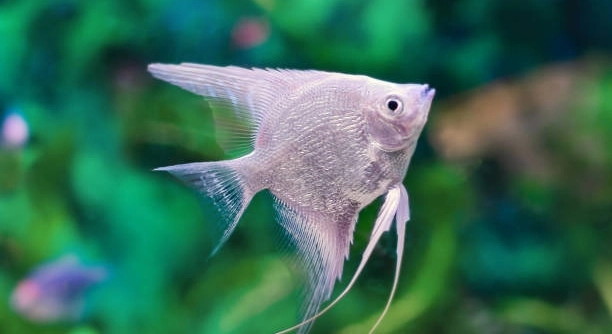
Angelfish are popular for their beauty and graceful swimming, but keeping them healthy and thriving can sometimes be tricky. One of the key concerns for aquarium owners is ensuring their angelfish grow at a healthy rate.
The most effective way to improve the growth rate of your angelfish is by providing them with a balanced diet, optimal water conditions, and appropriate tank mates. Consistent care and attention to their environment can significantly enhance their growth rate.
Maintaining the right conditions for your angelfish will help them flourish. In this article, we will explore various methods that can support their growth and overall health.
1. Provide a Balanced Diet
Feeding your angelfish the right foods is crucial for their growth. A varied diet that includes high-quality flakes, pellets, and live or frozen foods like brine shrimp and bloodworms is ideal. This combination ensures they get the necessary nutrients to thrive. Fish that are overfed or underfed may not grow properly, so be mindful of portion sizes and feeding frequency.
A good feeding routine includes offering small amounts of food twice a day. This prevents overfeeding and helps maintain water quality. Too much uneaten food can cause an ammonia buildup, which is harmful to your fish.
For faster growth, consider supplementing with occasional treats like freeze-dried foods. These provide essential nutrients and encourage healthy development. However, be careful not to overdo it as these treats can be richer and may lead to health issues if given in excess. Providing variety in their diet will promote strong and steady growth, ensuring your angelfish stay healthy and active.
2. Maintain Optimal Water Conditions
Water quality plays a significant role in the growth rate of your angelfish.
Angelfish thrive in clean, warm water. A temperature range of 76 to 82°F (24 to 28°C) is ideal, and the pH should be slightly acidic to neutral (6.5 to 7.5). Regular water changes and the use of a high-quality filter will help maintain these conditions.
Water that is too cold, too warm, or overly polluted can stress angelfish and slow their growth. It can also lead to diseases, which can affect their overall health. To monitor water quality, invest in water test kits and perform regular checks. Clean water will allow your angelfish to grow at their best pace.
3. Offer Proper Tank Size and Space
A spacious tank is essential for healthy angelfish growth. They need room to swim freely and develop properly. A tank of at least 30 gallons is recommended for a small group of angelfish. Crowded tanks can lead to stress, which slows down their growth.
Angelfish are territorial and will often establish their own space within the tank. If your tank is too small, they may become aggressive toward one another, hindering their growth. A larger tank allows each fish to claim their own territory, reducing aggression and ensuring each angelfish can grow without competition for space.
Keep in mind that angelfish grow fairly large. When you first introduce them to the tank, they may seem small, but as they mature, they need more room to stretch and swim. A well-sized tank ensures that they can reach their full potential in terms of size and overall health.
4. Choose Compatible Tank Mates
Angelfish are peaceful but territorial creatures. Choosing the right tank mates is essential to their growth.
Aggressive or overly large fish can cause stress, impacting your angelfish’s growth rate. It’s best to pair them with other peaceful species like tetras or guppies, which won’t intrude on their territory. Avoid fish that might nip at their fins, such as certain barbs.
Good tank mates will help maintain a calm environment. Stress-free angelfish will be able to focus on growing and staying healthy. Even peaceful fish that are too active or too large can disrupt their calm, slowing growth. When choosing tank mates, ensure compatibility to foster a healthy, nurturing environment.
5. Keep the Tank Well-Lit
Proper lighting is important for the overall health and growth of angelfish.
Too much light can stress them out, while too little light can affect their behavior and appetite. Aim for moderate lighting, about 10-12 hours a day, and avoid direct sunlight to prevent algae buildup.
The right lighting not only helps your angelfish feel comfortable but also supports plant growth, which in turn provides oxygen and stabilizes water conditions. A well-lit tank ensures a balanced environment where your angelfish can thrive and grow at a healthy rate.
6. Maintain Consistent Water Temperature
Angelfish need stable water temperatures to stay healthy and grow properly.
Fluctuating water temperatures can cause stress, slowing their growth rate. Invest in a reliable heater and thermometer to maintain a steady temperature range between 76°F to 82°F (24°C to 28°C).
Stable temperatures will help your angelfish adjust and grow steadily without the added stress of temperature changes. A consistent environment supports their immune system and allows them to focus on growing rather than surviving temperature fluctuations.
7. Regularly Clean the Tank
A clean tank is essential for the well-being of your angelfish.
Remove uneaten food, vacuum the substrate, and perform water changes every week. Keeping the tank clean prevents the buildup of harmful toxins like ammonia and nitrates, which can slow growth.
FAQ
What is the ideal water temperature for angelfish growth?
Angelfish thrive in water temperatures between 76°F and 82°F (24°C to 28°C). Keeping the temperature within this range ensures they remain comfortable and healthy. Water that is too cold or too hot can lead to stress, making it difficult for them to grow at a healthy rate. Invest in a reliable heater and thermometer to maintain this consistent temperature.
How often should I feed my angelfish?
Feed your angelfish small amounts of food twice a day. Overfeeding can lead to poor water quality, which in turn can slow their growth. Aim to feed them just enough so they finish it within a few minutes. Be sure to remove any uneaten food to prevent it from polluting the tank.
Can I feed my angelfish only flakes?
While flakes can form the base of your angelfish’s diet, it’s important to offer variety. A diet of only flakes may not provide all the necessary nutrients for healthy growth. Include other options like pellets, freeze-dried foods, and live or frozen treats such as brine shrimp and bloodworms. This variety helps promote steady growth and overall health.
How can I tell if my angelfish are stressed?
Stressed angelfish may display signs such as fading colors, loss of appetite, erratic swimming, or hiding. They may also develop physical symptoms like clamped fins or a hunched body. Stress can slow down their growth, so it’s essential to identify and address the cause quickly, whether it’s water quality, tank mates, or other environmental factors.
What are the best tank mates for angelfish?
Angelfish are peaceful but territorial, so they do best with other calm, non-aggressive species. Good tank mates include tetras, mollies, or corydoras catfish. Avoid placing them with fish that are too active or aggressive, such as cichlids or barbs, as these can stress your angelfish and stunt their growth.
Is it necessary to use a filter in the tank?
Yes, using a filter is essential to maintain water quality. A filter helps remove harmful toxins like ammonia and nitrates, which can build up and negatively affect your angelfish’s health and growth. Make sure to choose a filter appropriate for your tank size and maintain it regularly.
How can I avoid overfeeding my angelfish?
To avoid overfeeding, offer only small amounts of food that your angelfish can consume in a few minutes. It’s better to feed smaller portions more frequently than to overfeed in one go. Keep track of how much food is eaten and remove any leftover food within a few minutes to prevent it from rotting and harming water quality.
What size tank is best for angelfish?
A minimum of 30 gallons is recommended for a small group of angelfish. Providing ample space allows them to swim freely, establishes territories, and reduces the risk of aggression. A crowded tank can lead to stress, which impedes growth. If you have more angelfish, consider increasing the tank size to give them more room.
How can I improve the water quality for my angelfish?
Regular water changes, using a good-quality filter, and monitoring water parameters are key to maintaining good water quality. Test the water regularly for pH, ammonia, nitrites, and nitrates. Perform partial water changes (about 25-30%) every week to keep the water clean and free from harmful substances that can slow down angelfish growth.
Do angelfish need plants in their tank?
While not strictly necessary, plants can help create a more natural and enriching environment for angelfish. They provide hiding spots and help maintain water quality by absorbing excess nutrients. Plants also improve oxygen levels, which benefits your fish. Just make sure to avoid plants with sharp edges that could injure your angelfish.
Can angelfish live in a tank with other species?
Yes, angelfish can live with other species, but careful selection of tank mates is essential. As mentioned earlier, choose peaceful, non-aggressive fish that won’t stress or harm your angelfish. Also, ensure that the tank is large enough to accommodate all species comfortably. Avoid keeping them with fin-nipping fish, as this can cause harm and hinder growth.
Final Thoughts
Improving the growth rate of your angelfish involves creating an environment where they can thrive. The most important factors are providing a balanced diet, maintaining optimal water conditions, and ensuring they have plenty of space. Angelfish grow best when they feel safe and are not stressed by their surroundings. This means keeping their tank clean, well-lit, and at the right temperature. If you focus on these basics, you will see healthier, faster-growing angelfish over time.
Regular maintenance is key to sustaining the conditions your angelfish need. Test the water frequently to ensure it remains within the right pH, temperature, and ammonia/nitrate levels. Perform weekly water changes and avoid overcrowding in the tank. A larger tank will allow your angelfish to grow to their full size without the stress of competing for space. Tank mates should be selected carefully to avoid aggression or bullying, as this can stunt growth. Choosing compatible fish will help maintain a peaceful environment, which is essential for their development.
Lastly, patience is important when caring for angelfish. Growth can take time, and results may not be immediately noticeable. Keep providing consistent care, and monitor their progress over time. Healthy, happy angelfish will show steady growth when they are given the proper conditions. By following the tips in this article, you are setting up your angelfish for a long, healthy life with optimal growth.

Hello,
If you enjoy the content that we create, please consider saying a "Thank You!" by leaving a tip.
Every little bit helps us continue crafting quality advice that supports the health, happiness, and well-being of pets around the world, for pets of all shapes, sizes, and species.
We really appreciate the kindness and support that you show us!