
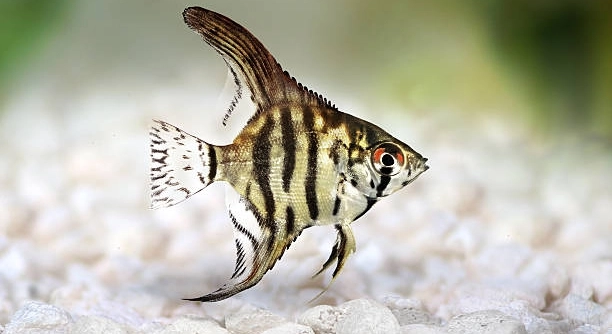
Is your angelfish acting strange or not thriving the way you expected after setting up their tank? You might be missing something important in their environment, even if it looks fine on the surface.
The most common signs of a poor angelfish tank setup include incorrect water parameters, improper tank size, lack of hiding spots, and stress-related behaviors like aggression or loss of appetite. These issues can affect both health and lifespan.
Recognizing and fixing these setup problems can lead to a calmer, healthier angelfish and a more balanced aquarium environment overall.
The Water Parameters Are Off
A stable tank starts with the right water conditions. Angelfish are sensitive to changes, and poor water quality is often a hidden issue. Ammonia, nitrite, and nitrate levels must be monitored closely. High ammonia or nitrite can cause stress, fin damage, or even death. pH should be steady, ideally between 6.8 and 7.8. Water hardness should also be within range—moderate is best. Regular testing is key, and partial water changes help maintain balance. Using a good quality water conditioner removes chlorine and harmful chemicals. Filters must be cleaned regularly but not so often that beneficial bacteria are lost.
Poor water quality often causes angelfish to become lethargic or hide more than usual. These early signs shouldn’t be ignored.
When water conditions aren’t right, your angelfish may struggle to breathe, refuse food, or hover near the surface. These behaviors usually indicate stress. Addressing this quickly helps prevent illness. Investing in a reliable water test kit makes it easier to stay consistent. You don’t have to test every day, but a quick weekly check can make a big difference. Avoid overfeeding as this adds waste, increasing ammonia levels. If you’re unsure, compare your current tank parameters to what’s ideal for angelfish. Keeping conditions stable ensures they remain active, colorful, and healthy.
The Tank Is Too Small
A tank that’s too small limits your angelfish’s movement and can increase aggression. Cramped conditions often lead to health issues.
A single adult angelfish needs at least 20 gallons of space. If you’re keeping more than one, especially a pair or small group, you’ll need a much larger setup. Angelfish are tall and need height as well as length to swim comfortably. Small tanks also have more unstable water conditions, which stresses the fish. If you notice your angelfish constantly chasing others, or see torn fins, your tank may be overcrowded. A larger tank also makes it easier to maintain good water quality. Don’t forget that decorations, plants, and equipment all take up space too. Make sure the swimming area remains open and clear. Upgrading the tank can seem like a big step, but it’s often the easiest way to improve their behavior and well-being.
There Aren’t Enough Hiding Spots
Angelfish may seem bold, but they still need places to retreat. Without hiding spots, they can become anxious or territorial. Stress from constant exposure can lead to weakened immune systems and more frequent fights with tankmates. Even a single fish benefits from areas to rest and feel secure.
Adding plants, driftwood, and rock structures gives angelfish a place to retreat when they feel threatened. These features also help reduce aggression between fish by breaking up sightlines. Live or artificial plants both work well, as long as they are arranged to provide coverage without crowding the tank. Floating plants can offer shade, which angelfish appreciate. Try to include hiding spaces at different heights to match their natural swimming habits. Balance is important—don’t overfill the tank, but aim for enough coverage to make your fish feel safe. A comfortable environment encourages natural behavior, reduces stress, and supports healthier, more active angelfish.
When angelfish don’t have any shelter, they’re forced to stay in open areas even when they feel uneasy. This stress can build up, especially in community tanks with more aggressive or fast-swimming species. Without breaks in sightlines, dominant fish may constantly chase others. Hiding spots act like barriers, helping each fish claim a small territory. This leads to fewer confrontations and more peace in the tank. If you notice your angelfish pacing or staying in one corner, try rearranging the layout. Just a few extra plants or a new piece of driftwood can make a big difference. It doesn’t need to look perfect—comfort and security come first.
The Tank Is Too Bright
Strong lighting can make angelfish uncomfortable, especially if there’s no shade. Intense, direct light may cause them to hide more, lose color, or act skittish. Softer, indirect lighting is better for their comfort and well-being.
Use floating plants or tall decorations to help break up the light. A timer can also help create a steady light cycle that mimics their natural environment. Bright lights should be avoided during the night or for long periods during the day.
The Filter Flow Is Too Strong
Angelfish prefer calm waters. If the filter creates strong currents, they may struggle to swim normally or get pushed around the tank. This can cause them to stay in one spot or avoid areas with fast-moving water. A gentle filter or one with an adjustable flow works best. You can also add decorations or plants to slow the water movement. Watch how your angelfish react—if they’re constantly fighting the current, the flow is too strong. Calmer waters help reduce stress and support better health, so small changes to your setup can have a big impact on how relaxed they feel.
The Tank Is Too Noisy
Loud vibrations from nearby electronics or constant tank noise can stress your angelfish. They sense vibrations through the water, and too much noise may cause them to hide or act jumpy. A quieter location helps create a calmer, healthier tank environment.
Final Thoughts
Creating the right environment for your angelfish is not only about how the tank looks but also about how it functions. A setup that looks clean or stylish may still be missing some key elements your fish need to stay healthy and relaxed. Things like poor water quality, strong filter flow, or bright lighting can quietly stress out your angelfish over time. Even small changes in their behavior—like hiding more often or refusing food—can be signs that something in the tank setup isn’t quite right. That’s why paying attention to these signs early on makes a big difference.
Making small adjustments can lead to better long-term results. Sometimes it’s as easy as adding a few more plants or adjusting your filter’s strength. Other times, you might need to look at bigger changes, like upgrading to a larger tank or using a water test kit more regularly. It doesn’t need to be perfect right away. What matters most is being consistent and observing how your angelfish respond. The more comfortable they feel, the more likely they are to be active, display natural behaviors, and avoid illness. Every tank is different, so what works well for one setup may not work the same for another. That’s okay—it’s about finding the right balance for your specific space and fish.
Keeping angelfish can be simple once you get the basics right. A proper tank setup leads to fewer problems and a more relaxing experience for both you and your fish. It’s not just about avoiding mistakes; it’s about creating an environment where your angelfish can really thrive. Over time, you’ll learn what they like and what stresses them out. Watching them swim freely, interact calmly, and show their full colors is a good sign that you’re on the right track. The effort you put in now saves you time and stress later. Whether you’re new to keeping angelfish or just trying to improve your tank, small, thoughtful changes can go a long way. And if something seems off, don’t be afraid to make adjustments—your angelfish will show you when they’re feeling better.

Hello,
If you enjoy the content that we create, please consider saying a "Thank You!" by leaving a tip.
Every little bit helps us continue crafting quality advice that supports the health, happiness, and well-being of pets around the world, for pets of all shapes, sizes, and species.
We really appreciate the kindness and support that you show us!