
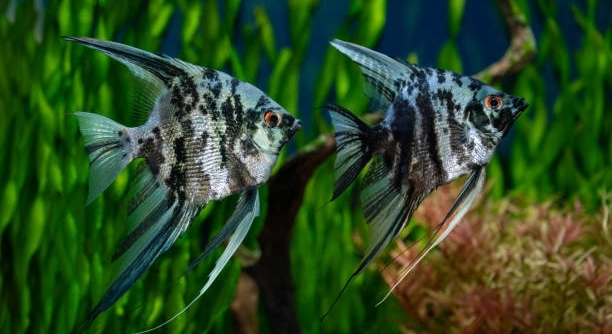
Maintaining the right lighting in your angelfish tank is important for their health and well-being. Too much light can have unexpected effects on your fish and their environment. Understanding how lighting impacts your tank is essential.
An overly bright tank can stress your angelfish and lead to unwanted algae growth. It can also affect their behavior, making them hide or become less active. Managing the light intensity helps maintain a healthy, balanced aquarium environment.
There are several factors that contribute to lighting issues in an angelfish tank. By understanding how light affects your tank, you can create a more suitable environment for your fish and plants.
Too Much Light Can Stress Your Angelfish
Angelfish are sensitive creatures that need a calm and stable environment. Excessive light can make them feel exposed and stressed, leading to negative effects on their health. If your tank is too bright, your fish may hide more often, avoiding light or certain areas of the tank. Angelfish thrive in dimly lit conditions with some periods of darkness, as they naturally come from environments with lower light levels.
In addition to making them uncomfortable, strong lighting can disrupt their natural behavior. Angelfish typically prefer shadows and dimness, similar to their native habitat in deeper waters. Constant bright light can even affect their eating habits, as they may feel too exposed or uneasy to approach their food.
Too much light also affects their immune system. Constant stress caused by over-bright conditions can weaken their ability to fight off illnesses. Angelfish are best kept in tanks that have a balance between light and dark, ensuring they have a safe, comfortable space to thrive. This makes adjusting light levels crucial for their overall well-being.
Algae Growth
One of the side effects of excessive light is algae growth. Algae thrive in brightly lit tanks, especially if the lighting is left on for too long each day. Algae can cover plants, decorations, and the tank’s walls, turning the water green and muddy.
Algae blooms are not just unsightly but can also harm your angelfish. They take away nutrients and oxygen from the water, creating an unhealthy environment. Over time, if not addressed, algae can outcompete beneficial plants in the tank, leaving angelfish with fewer spaces to hide and swim freely. Keeping the lighting under control can prevent this issue.
Adjusting your light schedule is a simple fix. Limit the light to about 8-10 hours a day, which is enough to keep the tank bright without encouraging algae to grow excessively. Adding plants that naturally outcompete algae for nutrients can also help.
The Impact of Lighting on Plant Growth
If you have live plants in your angelfish tank, lighting becomes even more important. Plants need light to grow, but too much can have the opposite effect, leading to the rapid growth of algae that competes with plants for nutrients. Striking the right balance is essential for creating a healthy tank environment.
Plants rely on light to photosynthesize, but overexposure can cause plants to grow too fast or become unhealthy. Inadequate light can also cause them to stop growing altogether, leading to a lack of natural filtration in the tank. Adjusting light levels based on the type of plants you have is crucial. Some plants thrive under low-light conditions, while others require more intense lighting. Therefore, it’s essential to research the needs of your specific plants before deciding on lighting.
Ultimately, a balanced lighting schedule will benefit both the plants and fish. By regulating the intensity and duration of the light, you support the growth of healthy plants while avoiding the spread of unwanted algae. This creates a thriving environment for all living organisms in the tank.
Lighting and Angelfish Behavior
Angelfish are more active during dusk or dawn, not bright daylight. When their tank is too bright, they can become lethargic or stressed. This can lead to them hiding in darker corners of the tank or becoming less social, affecting their overall well-being.
In a bright tank, angelfish may feel more vulnerable, causing them to retreat. Over time, if the stress continues, it can affect their appetite and interactions with tank mates. Angelfish, being sensitive to light, may become more territorial if they feel overwhelmed by constant light exposure. This can lead to aggression toward other fish or even display signs of anxiety.
It’s essential to mimic natural lighting conditions in the tank. Reducing light intensity during the day and providing shaded areas will give the fish the opportunity to rest and behave naturally. Consistent lighting changes can lead to a more stable and healthier environment, promoting better physical and mental health for your angelfish.
The Effect of Bright Light on Tank Temperature
Bright lighting in your tank can raise the water temperature, especially with powerful lights like metal halide or high-intensity LEDs. A warmer tank might seem ideal for tropical fish, but it’s important to keep temperatures within the appropriate range for angelfish.
If the tank temperature rises too high due to excessive lighting, your angelfish may experience heat stress. This stress weakens their immune system, making them more susceptible to diseases. It can also disrupt the tank’s ecosystem, affecting plant growth and oxygen levels in the water. Maintaining the right temperature range is essential for keeping your fish and plants healthy.
To prevent overheating, consider using LED lights that generate less heat or placing the light at a distance from the tank. Adding a fan or using a cooling system for the aquarium can help regulate the water temperature. Monitoring both lighting and temperature ensures a stable environment for your fish to thrive.
Light Duration Matters
Angelfish need periods of darkness to rest properly. Keeping the lights on for too long can disturb their sleep cycle, affecting their overall health. It’s important to find a balance between light and dark to avoid making your fish feel constantly exposed.
Setting a timer for the light can help. Typically, 8-10 hours of light a day is ideal. Too much light can lead to stress, while too little can disrupt their circadian rhythm. By mimicking natural light patterns, your fish can experience a more comfortable environment, ensuring they have the proper rest they need.
Lighting and Tank Maintenance
Lighting not only affects your fish but also plays a role in the overall tank maintenance. Bright lights can speed up algae growth, requiring more frequent cleaning. This can create extra work and increase the maintenance effort in keeping your tank clean and clear.
The more algae you have, the harder it becomes to maintain a healthy tank environment. Excessive light can lead to cloudy water and unsightly green film covering surfaces. To combat this, you may need to invest in better filtration systems or clean your tank more often, adding extra work to your routine.
Choosing the Right Light for Your Tank
Selecting the proper lighting for your angelfish tank is crucial. You want something that mimics their natural environment without causing stress or promoting algae growth. LED lights are a popular choice, as they are energy-efficient and provide adjustable brightness.
FAQ
How much light should I use for my angelfish tank?
Angelfish prefer dim lighting, so it’s best to keep the light intensity moderate. Generally, 8-10 hours of light per day is ideal. Too much light can cause stress and promote algae growth, while too little light can hinder plant growth. If you’re using artificial lighting, opt for LED lights that you can adjust. This way, you can control both the brightness and the duration of the light cycle to mimic the natural light patterns.
Can too much light cause my angelfish to hide?
Yes, bright lighting can make angelfish feel exposed and unsafe, leading them to hide in darker corners of the tank. Angelfish are naturally drawn to shaded areas, so constant bright light may make them more anxious and less active. Try to provide hiding spots in the tank, such as plants or decorations, so your fish can retreat when they need a break from the light. Reducing the intensity or duration of lighting will help your fish feel more comfortable and less stressed.
Is it necessary to turn off the lights at night?
Yes, it’s essential to turn off the lights at night to give your angelfish a proper resting period. Just like humans, fish need periods of darkness to sleep and recover. Keeping the light on all the time disrupts their natural rhythm and can cause stress. A consistent day-night cycle is important for their well-being, so make sure to turn off the lights at night, ideally for 10-12 hours, and provide a calm, dark environment for them to rest.
Can bright lighting cause algae problems in my tank?
Absolutely. Excessive lighting is one of the main reasons for algae growth in aquariums. Algae thrive under intense light, and if the tank receives too much light, algae can quickly cover surfaces, cloud the water, and compete with plants for nutrients. To prevent this, limit the amount of light to 8-10 hours a day. You can also use a timer to regulate the light duration, ensuring it doesn’t stay on too long and cause an algae bloom.
What is the best lighting for a planted angelfish tank?
For a planted angelfish tank, you want lighting that supports plant growth without overwhelming the fish. LED lights with adjustable brightness work well, as they provide sufficient light for plants to photosynthesize without generating too much heat. The intensity should be moderate to low, depending on the type of plants you have. Plants like Java fern or Anubias do well in low to medium light, while more demanding plants like Amazon swords require higher light levels. Make sure to match the light to your plant species for the best results.
How do I know if my angelfish tank is too bright?
If your angelfish are hiding more than usual, seem stressed, or are swimming erratically, it could be a sign that the tank is too bright. Another clear indication is the presence of excessive algae growth. If you notice green patches forming on your tank walls or decorations, this is often caused by too much light. Reducing the lighting duration or intensity can help alleviate this issue. It’s also a good idea to observe your fish’s behavior and adjust the light accordingly if they seem uncomfortable.
Can I leave the lights on 24/7 in my angelfish tank?
It’s not recommended to leave the lights on 24/7. While it might seem like a way to keep your tank bright all the time, it disrupts the natural day-night cycle that angelfish need. Fish and plants both require periods of darkness to rest, and constant light can lead to stress and poor health. Additionally, leaving the lights on all the time encourages algae growth, which can harm your tank’s overall ecosystem. Keep a consistent light schedule, ideally 8-10 hours of light per day, with a proper dark period.
How do I prevent algae growth in a bright tank?
To prevent algae growth in a brightly lit tank, limit the light duration to 8-10 hours a day. A timer can be helpful in ensuring the lights aren’t on too long. Additionally, remove excess nutrients from the tank by performing regular water changes. You can also add live plants, as they compete with algae for nutrients. Algae-eating fish like Amano shrimp or Otocinclus can help keep the algae under control as well. Maintaining good filtration and avoiding overfeeding will also reduce the likelihood of algae growth.
Is it safe to use a filter with built-in light?
Filters with built-in lights are convenient, but it’s important to choose one that provides adjustable light settings. Some built-in lights can be too intense, leading to stress for your angelfish. Always check if the filter light allows you to control the brightness and the duration of the light cycle. It’s important to ensure that the lighting doesn’t negatively impact the tank environment by being too harsh or causing excessive algae growth. If in doubt, it’s better to use a separate lighting system that offers more control.
Should I use a dimmer for my angelfish tank light?
Using a dimmer can be a great way to regulate the light intensity and prevent your angelfish from being exposed to harsh lighting. Many angelfish tanks benefit from moderate lighting that mimics natural light conditions. A dimmer gives you the flexibility to adjust the brightness based on the time of day, which is beneficial if you want a more relaxed lighting atmosphere during certain times. Just be sure not to make the light too dim, as this can hinder plant growth and make the tank too dark for the fish.
Final Thoughts
Lighting is one of the most important aspects to consider when setting up an angelfish tank. It affects not only the appearance of your aquarium but also the health and behavior of your fish. Too much light can cause stress, disrupt their natural sleep patterns, and promote unwanted algae growth. On the other hand, too little light can prevent plants from growing properly and might make the tank feel too dark and uncomfortable for your fish. Striking the right balance between light and dark is key to creating a healthy and happy environment for your angelfish.
It’s important to consider the type of lighting you use. LED lights are a good option because they are energy-efficient and offer adjustable brightness. With the ability to control the light intensity and duration, you can mimic natural lighting conditions that will suit your angelfish and plants. Using a timer is also a simple yet effective way to ensure your lights stay on for the right amount of time each day. Typically, 8-10 hours of light per day is ideal, with a proper dark period at night to help your fish rest. This mimics the natural day-night cycle that angelfish experience in the wild.
Remember that your angelfish’s well-being depends on many factors, and lighting is just one of them. The overall tank environment, including water quality, temperature, and tank size, plays a role in keeping your fish healthy. By carefully managing the lighting, you can reduce stress, prevent algae problems, and encourage natural behaviors. Regular maintenance of your aquarium, such as water changes and cleaning, will also help keep the tank in good shape. By understanding the impact of lighting on your angelfish tank, you can create a thriving aquatic environment for your fish to enjoy.

Hello,
If you enjoy the content that we create, please consider saying a "Thank You!" by leaving a tip.
Every little bit helps us continue crafting quality advice that supports the health, happiness, and well-being of pets around the world, for pets of all shapes, sizes, and species.
We really appreciate the kindness and support that you show us!