
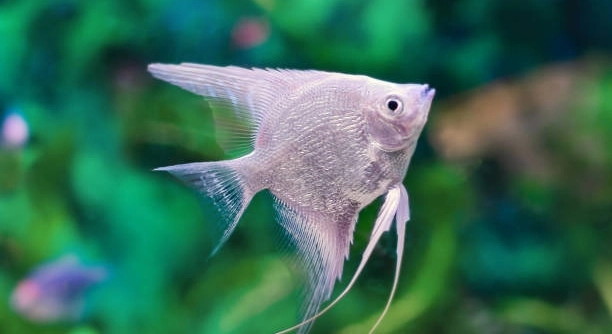
Angelfish are beautiful and peaceful creatures, often admired for their graceful swimming. However, if you notice them acting more territorial, it might leave you wondering what’s going on. Understanding their behavior is key to keeping them happy.
Angelfish can become more territorial due to changes in their environment, stress, or breeding behavior. They may defend their space or resources, and this can lead to more aggressive or protective actions toward other fish in the tank.
There are several factors behind this territorial shift that you should know. Understanding these reasons can help you create a better environment for your angelfish, ensuring they feel safe and secure.
Stress From Tank Mates
Angelfish are naturally peaceful, but they can become stressed when sharing a tank with more aggressive or dominant fish. If there are species in the aquarium that compete for space or food, your angelfish might feel threatened and act more territorial. This stress can cause them to swim more erratically or guard certain areas of the tank.
Tankmates with territorial habits or high energy can trigger this stress. Angelfish may try to protect their space or avoid confrontation by becoming more aggressive. Watching your angelfish carefully can help you notice if they’re acting differently when certain fish are around.
To reduce stress, consider adjusting the tank’s environment. Adding more plants, decorations, or creating separate zones can help angelfish feel more secure. You might also think about removing or replacing fish that are causing tension. A peaceful, harmonious environment is key for keeping your angelfish calm and content.
Environmental Changes
Any sudden change in the environment can affect an angelfish’s behavior. Changes in water quality, temperature, or lighting can make them feel insecure. If you’ve recently added new equipment or changed the layout of the tank, your angelfish might become more territorial to adapt.
A change in water conditions can stress them out. For example, if the water temperature rises unexpectedly, they may feel the need to defend their area. It’s also important to note that when the lighting changes, some fish may perceive it as a new season or threat, prompting territorial behavior.
Making gradual changes to the tank setup or water conditions is a better way to avoid stressing your angelfish. This gives them time to adjust to new surroundings. Consistent, stable conditions are crucial for maintaining peace in your aquarium.
Breeding Behavior
When angelfish are ready to breed, they become much more territorial. They choose a spot in the tank, often on a flat surface, and begin defending it from other fish. This natural behavior can make them more aggressive as they protect their eggs and territory.
If you notice your angelfish acting more territorial, it could be because they are preparing to spawn. They may start chasing away other fish and being more protective of their space. This is a common behavior, and it’s a sign that they feel comfortable enough in their environment to reproduce.
Breeding behavior is temporary, but it can be intense. During this time, angelfish may act as if they’re claiming ownership of certain parts of the tank. It’s important to monitor them closely and make sure they aren’t becoming overly stressed or aggressive toward other fish.
Lack of Space
A cramped tank can contribute to territorial behavior in angelfish. They need room to swim and establish their space. In a tank that’s too small, they might start feeling crowded and act more aggressively.
Angelfish need a tank that’s large enough to give them the freedom to swim and explore. If they’re in a smaller tank or the tank is overcrowded, they may become more territorial. Adding plants, rocks, and other decorations can help create more hiding spots, but size matters too. A bigger tank allows them to feel less stressed and helps reduce territorial disputes.
When planning for angelfish, aim for a tank of at least 20 gallons for a small group of them. The more space you provide, the less likely they are to feel the need to defend their territory.
Aggressive Fish Species
Some fish species are naturally more aggressive, and their presence in the tank can make angelfish more territorial. If you’ve added fish known for being dominant or aggressive, your angelfish may start acting out. This behavior is their way of defending their space.
Aggressive fish like cichlids or certain barbs can provoke angelfish to act more territorially. Even if the angelfish is usually calm, they might feel the need to protect their area when challenged. It’s important to research the temperament of potential tankmates before introducing them to ensure compatibility and avoid unnecessary stress.
Improper Feeding
If your angelfish aren’t getting enough food or the right type of food, they might start acting territorial. A lack of resources can cause them to become more protective over feeding spots. Territorial behavior may arise when they feel their food source is being threatened by other fish.
Feeding your angelfish regularly and in the right amounts can prevent this issue. Offering a variety of food types, like pellets, flakes, and live food, will keep them healthy and satisfied. A well-fed angelfish is less likely to feel the need to guard their feeding area.
Illness or Injury
Angelfish may act more territorial if they’re feeling unwell or injured. Illness can make them more defensive and less tolerant of other fish. When they’re not feeling their best, they may want to keep to themselves. It’s important to check their health regularly.
If an angelfish is showing signs of illness, like swimming irregularly or hiding, they might become more territorial out of discomfort. It’s a natural response to withdraw from their tank mates when they feel vulnerable. A healthy fish will be more social and less aggressive.
FAQ
What are signs that my angelfish is being territorial?
Territorial angelfish often display specific behaviors. They might chase away other fish, guard certain areas of the tank, or even flare their fins. You might notice them becoming more aggressive, especially around other fish or during feeding time. Their body posture can change, with them appearing more rigid or focused on protecting their space. Keep an eye out for them hovering near certain parts of the tank or chasing other fish away. These are common signs of territorial behavior.
How can I reduce territorial behavior in my angelfish?
Reducing territorial behavior starts with understanding what’s causing it. First, ensure your angelfish are in a spacious tank with plenty of hiding spots and plants. This can help them feel more secure and reduce the urge to defend a small area. Avoid overcrowding the tank and choose peaceful tankmates. You should also make gradual changes to the tank environment to avoid stress. Lastly, providing them with enough food can reduce competition, which might lessen territorial aggression. Keeping their environment stable and peaceful is key to preventing these behaviors.
Can I keep multiple angelfish together without them being too territorial?
Yes, you can keep multiple angelfish together, but the key is the size of the tank. A larger tank, ideally 30 gallons or more, allows enough space for them to establish territories without clashing. When keeping multiple angelfish, it’s important to provide plenty of plants, rocks, or decorations to create natural divisions in the tank. In smaller tanks, angelfish may become territorial with each other, especially if they’re trying to defend a limited space. Introducing them in pairs or small groups and monitoring their behavior can help maintain peace.
Why are my angelfish suddenly being more aggressive?
There are several reasons your angelfish might suddenly act more aggressively. One common reason is that they are preparing to breed. When angelfish are ready to spawn, they become very protective of their territory. Another reason could be that changes in the environment, such as water quality or temperature, are stressing them out. Tankmates that are too aggressive or dominant can also trigger territorial behavior. Lastly, illness or injury might cause an angelfish to become more defensive, as they may feel vulnerable and need to protect themselves.
How can I stop my angelfish from bullying other fish?
If your angelfish is bullying other fish, start by assessing the size of the tank and the compatibility of its inhabitants. A cramped space often leads to increased aggression. Consider moving more aggressive fish to a different tank or separating them if possible. Providing enough food for all the fish can reduce competition and help with bullying. Additionally, ensuring there are plenty of hiding spots and plants in the tank can help the bullied fish avoid confrontation. If the problem persists, it may be worth removing the aggressive angelfish and providing a more peaceful environment.
Can I reduce territorial behavior through tank decoration?
Yes, tank decorations can play a huge role in reducing territorial behavior. By adding plants, rocks, driftwood, and other structures, you create more hiding spots and divisions in the tank. This gives angelfish the opportunity to claim their own space without feeling the need to defend a single area. The more complex the tank setup, the less likely your angelfish are to clash with other fish over territory. Just be sure that the decorations don’t overcrowd the tank, leaving enough open swimming space for all the fish.
Are angelfish territorial all the time?
No, angelfish are not territorial all the time. They tend to become more territorial during certain situations, such as when they’re breeding, stressed, or feeling threatened by other fish. Outside of these periods, they are generally peaceful and social. The territorial behavior is often a temporary response to specific conditions in the tank, such as overcrowding, aggressive tankmates, or environmental changes. Once the trigger for the territorial behavior is addressed, angelfish usually return to their more peaceful nature.
Should I separate territorial angelfish from other fish?
If your angelfish is being overly territorial and aggressive toward other fish, separating them may be necessary. If the territorial behavior is causing stress to other fish, or if it results in injury, it’s best to move the angelfish to a separate tank. However, if the aggression is only mild, and other fish aren’t being harmed, it’s possible to reduce territorial behavior through adjustments in the tank environment, such as adding more hiding spots or reducing the number of aggressive tankmates. Observing the behavior closely will help you decide the best course of action.
What size tank is best for preventing territorial behavior in angelfish?
To prevent territorial behavior in angelfish, a tank of at least 20 to 30 gallons is recommended for a small group. Larger tanks provide more space for angelfish to establish individual territories and reduce the likelihood of aggression. When angelfish have room to swim freely, they are less likely to feel the need to defend a specific spot. A spacious tank also allows for better distribution of food and resources, reducing competition between fish. For multiple angelfish, the bigger the tank, the better.
Final Thoughts
Angelfish are generally peaceful and graceful creatures, but like any fish, they can display territorial behavior under certain circumstances. Whether they are feeling stressed by tankmates, preparing to breed, or adjusting to changes in their environment, their need to defend their space is natural. Understanding these behaviors and knowing how to manage them can help create a more peaceful environment for both your angelfish and the other fish in your tank. Monitoring your fish and making adjustments when needed can go a long way in reducing aggression.
One of the most important things to keep in mind is the size and setup of your tank. A larger tank with plenty of hiding spots and decorations will give your angelfish the space they need to feel secure. The more room they have to swim and establish their territories, the less likely they are to clash with other fish. Additionally, keeping the tank environment stable is essential. Any sudden changes in water quality, temperature, or even lighting can cause stress, which may trigger territorial behavior. Regular maintenance of the tank will help your fish stay healthy and calm.
Ultimately, the goal is to create a balanced and stress-free environment for your angelfish. By paying attention to their needs and adjusting the tank setup, you can reduce territorial aggression. Whether it’s adjusting the water conditions, choosing the right tankmates, or providing enough space for each fish, small changes can have a big impact. With proper care, your angelfish can thrive in a peaceful tank, and their territorial behaviors will be kept in check.

Hello,
If you enjoy the content that we create, please consider saying a "Thank You!" by leaving a tip.
Every little bit helps us continue crafting quality advice that supports the health, happiness, and well-being of pets around the world, for pets of all shapes, sizes, and species.
We really appreciate the kindness and support that you show us!