
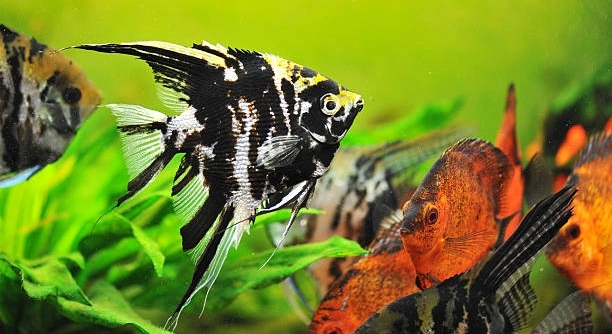
Raising baby angelfish can be a rewarding but challenging experience for any aquarium enthusiast. These delicate fish require special care to thrive in their early stages. Proper attention to their needs ensures their growth and health.
To successfully raise baby angelfish, ensure a clean and stable environment with appropriate water conditions. Provide high-quality food designed for fry, and maintain gentle filtration. Consistent water changes and monitoring the tank’s temperature and pH are key to their development.
By following these simple yet effective tips, you’ll be well-equipped to support your angelfish through their crucial growth stages and enjoy their beauty in your aquarium.
Tank Setup for Baby Angelfish
When setting up a tank for baby angelfish, it’s essential to create a space that’s both safe and comfortable for their growth. Start with a 20-gallon tank, as it provides enough room for them to grow without overcrowding. The tank should have soft, fine substrate like sand or gravel to prevent any harm to their delicate fins. A gentle filtration system is important; avoid strong currents as baby angelfish are still small and may struggle to swim against them.
Maintaining stable water parameters is crucial. Keep the water temperature between 78°F and 80°F. This range helps maintain their metabolism and ensures they are comfortable. Check the water’s pH regularly, aiming for a neutral pH of around 7.0. Frequent water changes, about 20% every 3 to 4 days, are essential to avoid harmful buildup of waste and bacteria.
It’s important to add decorations like smooth rocks or plants. These elements provide hiding places for baby angelfish to feel safe. Avoid sharp decorations, as they may cause injury to the fry. Keeping the environment clean, stable, and stress-free is the foundation for successful angelfish care.
Feeding Your Baby Angelfish
Feeding baby angelfish requires the right balance of nutrients for proper growth. In the beginning, feed them small amounts of high-quality food like baby brine shrimp or finely crushed flakes. These foods mimic what they would find in the wild and promote healthy development.
Offer food multiple times throughout the day. It’s important to avoid overfeeding, as this can lead to water contamination. Gradually introduce other nutritious options like daphnia or micro-worms once the fry grow a bit larger. Keeping a varied diet ensures they receive all the essential nutrients needed for their development.
As they grow, you can start offering larger foods. However, always be mindful of their size and digestion. Ensure food pieces are small enough for them to consume without difficulty. Regular feeding in small portions ensures the fry get the nutrition they need without harming their water quality.
Water Quality and Maintenance
Baby angelfish thrive in clean water. Test the water regularly for ammonia, nitrites, and nitrates. Any harmful spikes can cause stress or death. Use a reliable water test kit to monitor these levels. Keep the water temperature stable, as fluctuations can negatively affect the fry’s development.
Perform regular water changes to maintain quality. Aim for 20% changes every 3 to 4 days. This helps remove waste and replenish beneficial minerals. Ensure the water being added matches the tank’s temperature and pH to avoid shocking the fish. A good filtration system also helps to keep the tank clean.
Over time, you may notice an increase in waste and algae buildup. Make sure to remove debris manually and clean any decorations. Healthy water quality is crucial for keeping the angelfish fry strong and vibrant. If you notice any unusual behavior, check the water conditions immediately.
Tank Mates for Baby Angelfish
When choosing tank mates for baby angelfish, it’s important to pick species that won’t harm them or compete for food. Smaller, peaceful fish like neon tetras or Corydoras catfish are ideal. Avoid aggressive or large fish, as they may bully or eat the fry.
Tank mates should also tolerate similar water parameters. Since baby angelfish are sensitive, it’s essential that any other species in the tank can handle the same temperature and pH range. A good rule of thumb is to introduce only species known to be calm and non-territorial, minimizing the risk of stress or injury.
Keep in mind that some fish may eat angelfish eggs or fry, especially if they are too large. If you’re introducing new fish into the tank, ensure that the baby angelfish are well-established and can hide or swim away if necessary. Monitor the tank closely, and remove any problematic fish right away.
Lighting for Baby Angelfish
Proper lighting is essential for baby angelfish. Too much light can cause stress, while too little can affect their growth. Use soft, ambient lighting that mimics natural conditions. Avoid direct sunlight, which can lead to algae blooms and unstable water parameters.
Maintain a consistent light schedule. Aim for 10 to 12 hours of light per day. This helps regulate the fry’s day-night cycle, promoting healthy growth. You can use a timer for the lights to ensure they stay on and off at the same times each day. Keep the light intensity moderate to avoid excessive heat.
Tank Temperature
Temperature control is vital for the health of your angelfish fry. Keep the tank between 78°F and 80°F, as fluctuations can stress the fish and slow their growth. You can use a reliable heater to maintain a stable temperature.
It’s important to avoid rapid temperature changes, as this can cause health issues like ich or poor feeding behavior. Use a thermometer to regularly check the water temperature, making sure it stays within the ideal range. A consistent environment supports optimal growth for your angelfish fry.
Dealing with Disease
Preventing disease in baby angelfish starts with a clean tank and stable water quality. Regular water changes and careful monitoring can reduce the likelihood of illness. Always remove uneaten food to avoid contamination.
Watch for signs of stress, like erratic swimming or loss of appetite, as they could indicate illness. If disease does occur, quarantine affected fish to prevent it from spreading. Treatment should be prompt to ensure the health of the rest of the tank. Proper care is crucial in preventing long-term health problems.
FAQ
What do baby angelfish eat?
Baby angelfish require a diet rich in protein for healthy growth. Start by feeding them baby brine shrimp, which are easy to digest and packed with nutrients. You can also offer finely crushed flakes and powdered foods designed specifically for fry. Gradually introduce small live foods like daphnia and micro-worms as they grow. It’s important to offer small amounts of food several times a day to ensure they get the nutrition they need without polluting the tank.
How long does it take for baby angelfish to grow?
Baby angelfish grow relatively quickly, but the time it takes depends on factors like water quality, food, and tank conditions. Typically, you can expect them to grow from fry to juveniles in about 3 to 4 months. During this time, their body size will increase significantly, but they will not reach their full size until they are about 6 to 12 months old. The growth rate can also be influenced by the amount of space and the availability of food.
Do baby angelfish need to be kept in groups?
Baby angelfish are social creatures and do best when kept in groups, as this helps them feel secure. However, it’s important not to overcrowd the tank, as this can lead to water quality issues and increased competition for food. A small group of 4 to 6 fry is ideal, as it helps them establish a natural social structure. As they grow, you can thin out the group or separate them into different tanks to avoid aggression between the individuals.
Can I raise baby angelfish without a filter?
While it is possible to raise baby angelfish without a filter, it is not recommended. Filters help maintain water quality by removing debris and excess waste, both of which can harm the fry. Without a filter, you will need to perform more frequent water changes, at least 20% every few days, to prevent ammonia or nitrate buildup. Additionally, a gentle filter is necessary to avoid strong currents that could stress the baby fish.
How do I prevent my baby angelfish from getting sick?
Preventing illness in baby angelfish begins with providing a clean, stable environment. Ensure the water is properly filtered, and keep an eye on parameters like ammonia, nitrites, and nitrates. Regular water changes help keep the water safe. Avoid overfeeding, as uneaten food can lead to contamination. Stress is a common cause of illness, so be sure to maintain the right temperature, provide hiding spots, and avoid aggressive tank mates.
Can baby angelfish be raised with other species?
It’s best to be cautious when selecting tank mates for baby angelfish. Choose peaceful species that are not large enough to eat the fry. Smaller fish like neon tetras, guppies, and Corydoras catfish usually make good companions. Avoid aggressive or fast-moving fish that might intimidate the fry or compete for food. Always monitor interactions between tank mates, especially in the early stages, to ensure the baby angelfish are safe.
When do baby angelfish start showing their color?
Baby angelfish typically begin to show their color around 4 to 6 weeks old. At this point, they will start developing the characteristic vertical black stripes, which become more pronounced as they mature. However, the color development may vary depending on the fish’s genetics and the environment they are raised in. The final color pattern may take several months to fully develop, especially in fish that have unique or vibrant coloration.
How can I tell if my baby angelfish are healthy?
Healthy baby angelfish should be active and swim smoothly through the water. Look for signs of good health like bright colors, regular feeding, and proper growth. If they seem lethargic, lose their appetite, or have faded colors, it could be a sign of stress or illness. Healthy angelfish will also be able to maintain their balance and swim with a steady pace. Regular observation and monitoring are key to identifying any potential health issues early.
What size tank do baby angelfish need?
For baby angelfish, a 20-gallon tank is a good starting point. As they grow, they will need more space to swim and develop properly. For a small group of fry, a tank size of 20 to 30 gallons will provide the necessary room. If you plan to keep adult angelfish in the same tank, you’ll need a 40-gallon or larger tank to accommodate their size and to maintain water quality.
How do I avoid overfeeding my baby angelfish?
Overfeeding can quickly lead to poor water quality and health issues for baby angelfish. Offer only small amounts of food that can be consumed within a few minutes. Remove any uneaten food promptly to prevent it from decomposing and polluting the tank. You can feed them up to 3 to 4 times a day, but avoid overloading the tank with food. Monitoring their feeding behavior is crucial to ensuring they get enough without excess waste.
Final Thoughts
Raising baby angelfish can be a rewarding experience, but it requires careful attention to their environment and needs. From water quality to feeding, every detail plays a role in ensuring the fry grow healthy and strong. Regular monitoring of water parameters, such as ammonia, nitrites, and nitrates, is essential. These factors directly impact the health of your angelfish, and maintaining stable conditions helps them thrive. It’s also crucial to keep the tank clean and well-maintained, with regular water changes to prevent harmful waste buildup. The right environment sets the foundation for successful angelfish growth.
Feeding baby angelfish the correct diet is another critical part of the process. Start with small, protein-rich foods like baby brine shrimp and gradually introduce other live foods as they grow. It’s important to feed them several small meals each day to ensure they receive enough nutrients. Avoid overfeeding, as leftover food can pollute the water, leading to health problems. Proper diet and feeding habits directly contribute to their development and strength. Over time, the fry will show their colors, and you’ll notice their growth as they approach the juvenile stage.
Finally, patience is key when raising baby angelfish. They grow steadily but slowly, and understanding their pace helps manage expectations. Keeping them in a stress-free environment with peaceful tank mates, stable water conditions, and appropriate tank size ensures they have the best chance to reach their full potential. With time, care, and attention to detail, you’ll have healthy, vibrant angelfish that will thrive in your aquarium for years to come. Raising baby angelfish is not only about providing physical care but also understanding their behavior and needs, which ultimately leads to a successful and enjoyable experience.

Hello,
If you enjoy the content that we create, please consider saying a "Thank You!" by leaving a tip.
Every little bit helps us continue crafting quality advice that supports the health, happiness, and well-being of pets around the world, for pets of all shapes, sizes, and species.
We really appreciate the kindness and support that you show us!