
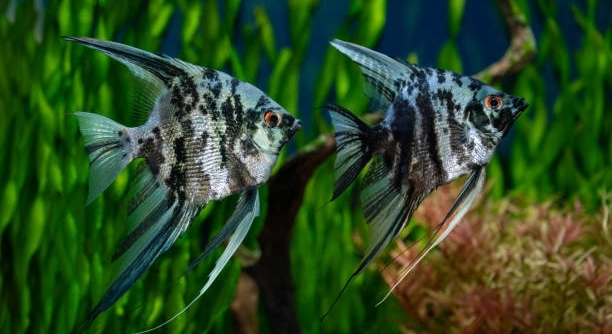
Angelfish are typically peaceful, but changes in their environment, such as a water change, can cause unexpected behavior shifts. Understanding the cause of increased aggression after water changes is important for maintaining a healthy aquarium.
The aggression observed in angelfish after a water change is often due to fluctuations in water parameters such as temperature, pH, and hardness. These changes can stress the fish, making them more territorial and defensive, leading to aggressive behavior.
By understanding these key factors, you can address the issue and create a more peaceful environment for your angelfish.
1. Sudden Changes in Water Temperature
One of the most common reasons angelfish become more aggressive after a water change is a sudden temperature shift. Fish are sensitive to temperature changes, and if the new water is too cold or too warm compared to the tank’s usual temperature, it can cause stress. This stress makes angelfish more likely to act defensively, especially if they feel threatened by the unfamiliar conditions. To avoid this, always ensure the new water is at the same temperature as the tank water. A good practice is to match the temperature of the water in your tank and the water used for the change before introducing it.
Even a small difference in temperature can lead to aggression, so keeping a thermometer handy is helpful. If the water is too hot or cold, the fish’s immune system can also weaken, making them more susceptible to illness and stress. Stability is key for keeping angelfish calm and peaceful.
Try to maintain a consistent water temperature in your tank. This will reduce the chances of stress-induced aggression.
2. pH Fluctuations
Angelfish are particularly sensitive to changes in pH levels. When you perform a water change, especially if you use tap water with varying pH levels, it can throw off the balance. A sudden shift in pH can lead to irritation and stress in angelfish. They may feel the need to defend their space more aggressively as a result. To prevent this, it’s important to test the pH of the tank water before and after each water change.
If the pH levels fluctuate drastically, consider using a buffer to keep it stable. Also, if you use tap water, make sure to let it sit for a few hours before adding it to the tank. This will help to reduce any immediate changes that might stress your angelfish.
By taking these small steps to keep the pH stable, you can avoid triggering aggression and ensure your angelfish remain calm and healthy.
3. Water Hardness Changes
Changes in water hardness can affect your angelfish’s behavior. When you perform a water change, if the new water is either too soft or too hard compared to the existing tank water, it can stress the fish. This stress triggers defensive behavior. It’s best to maintain a consistent water hardness level by testing both the tank water and the water used for changes.
If you use tap water that has high mineral content, this can cause a sudden increase in hardness, which could irritate your fish. To maintain proper hardness, consider using a water conditioner or mixing distilled water with your tap water. Gradually adjust the hardness instead of making sudden changes.
Stable water conditions are crucial for angelfish. If they’re constantly exposed to fluctuating water hardness, they will likely display more aggressive behavior. Keep their environment consistent to help them feel secure and calm.
4. Stress from Tankmates
Aggressive behavior in angelfish can also be a result of stress from their tankmates. If you add or remove fish during or after a water change, it may unsettle the angelfish, causing them to act more aggressively. Fish often establish territories in the tank, and any changes in the environment can make them feel threatened.
If the water change causes rearrangement of decorations or the introduction of new fish, your angelfish might perceive these changes as an invasion of their space. To avoid this, try to limit disturbances during water changes. Adding fish gradually and ensuring each one has enough space can prevent territorial disputes and reduce aggression.
When adding new fish, it’s important to quarantine them first and ensure they’re compatible with your angelfish. This will help prevent tension and aggression in the tank.
5. Disruption of the Aquascape
Changes in the aquascape, such as moving decorations or plants during a water change, can trigger aggression in angelfish. They may feel their territory has been invaded or altered, which stresses them out. Try to avoid major changes in the tank layout when doing water changes.
If you need to rearrange decorations, do it gradually. Sudden changes can unsettle your fish, leading to aggressive behavior as they adjust to the new environment. Stick to a consistent setup that makes the fish feel secure.
Keeping a stable and familiar environment helps angelfish feel safe and prevents unnecessary stress.
6. Overfeeding
Overfeeding can lead to water quality issues that increase stress for angelfish. When food remains in the tank, it decays, leading to changes in water chemistry. This can irritate the fish and cause them to act more aggressively. Always remove uneaten food promptly after feeding.
If you feed your angelfish too much, it can also lead to higher levels of nitrogen compounds like ammonia, which affect their health. Regular water changes can help clear excess nutrients, but controlling feeding amounts is key to preventing stress.
Feed your angelfish only what they can consume in a few minutes to maintain a healthy tank environment.
FAQ
Why is my angelfish so aggressive after a water change?
Angelfish can become aggressive after a water change due to stress from changes in water temperature, pH, hardness, or disruptions in their environment. These factors can trigger territorial behavior as they try to adjust to the new conditions. Keeping water parameters stable and avoiding major tank changes can help reduce aggression.
How can I prevent my angelfish from becoming aggressive after water changes?
To prevent aggression, always match the temperature of the new water with that of the tank before introducing it. Test the water for pH and hardness to avoid sharp fluctuations. Also, avoid rearranging decorations or introducing new fish during or after water changes to keep the environment consistent.
Can angelfish stress cause health problems?
Yes, stress from aggressive behavior and changes in the tank environment can lead to weakened immune systems in angelfish. Stressed fish are more susceptible to diseases and infections. Ensuring a stable and calm environment can help maintain their health and prevent long-term problems.
Does overfeeding contribute to aggression in angelfish?
Yes, overfeeding can lead to water quality issues, which stress angelfish and may cause them to act aggressively. Uneaten food can decompose, affecting the water chemistry and making the fish uncomfortable. It’s important to feed your fish only what they can consume in a few minutes to maintain water quality.
How long does it take for angelfish to adjust after a water change?
Angelfish may take a few hours to adjust after a water change, depending on the extent of the changes. If the changes are minimal and the water conditions are stable, they should return to normal behavior fairly quickly. However, major disruptions can take longer for them to adjust.
Can angelfish become territorial after a water change?
Yes, angelfish can become more territorial after a water change, especially if the environment has been altered in any way. This territorial behavior is often a result of feeling insecure in the changed environment. To minimize territorial disputes, keep their space consistent and avoid rearranging tank décor frequently.
Is it okay to do a large water change at once?
While it’s not harmful to do a larger water change occasionally, it’s generally better to perform smaller, regular changes. Large water changes can cause more drastic shifts in water parameters, which can lead to stress and aggression in angelfish. Aim for smaller, more frequent changes to maintain stability.
Should I quarantine new fish after a water change?
Yes, it’s always a good idea to quarantine new fish before adding them to the tank, especially after a water change. New fish can carry diseases or parasites that could stress your angelfish and affect the entire tank. Quarantining helps prevent these issues and gives your angelfish time to adjust to the environment.
How can I reduce the stress of my angelfish after a water change?
To reduce stress, ensure that water temperature, pH, and hardness are stable during water changes. Avoid adding or removing fish or rearranging decorations right after a water change. Also, keep feeding to a minimum to prevent water contamination and keep the tank clean.
Can poor water quality contribute to aggression in angelfish?
Yes, poor water quality is a major factor in angelfish aggression. Ammonia, nitrite, or nitrate spikes in the tank can cause irritation and stress. Regular water testing and maintenance, including water changes and proper filtration, will help maintain good water quality and reduce aggression.
Final Thoughts
Understanding why angelfish may become aggressive after a water change is essential for keeping them healthy and happy. Factors like sudden changes in water temperature, pH, and hardness can trigger stress, leading to more aggressive behavior. It’s important to maintain consistent water conditions to reduce the chance of your angelfish feeling unsettled. Small adjustments, like checking the water before adding it to the tank and avoiding drastic changes in the environment, can go a long way in keeping your fish calm.
Regular water testing is key to understanding your tank’s conditions and preventing harmful shifts in water quality. Stress from poor water quality, overfeeding, and territorial issues can all contribute to aggression in angelfish. Addressing these factors with proper maintenance and care will help your fish thrive in a stable environment. Remember to avoid overfeeding and be mindful of water changes, especially when adding new fish or rearranging the tank setup. These actions will help ensure your fish don’t feel threatened or stressed after a water change.
By keeping a close eye on water parameters and reducing stress factors, you’ll provide a better environment for your angelfish. Patience and consistency are crucial when managing water changes and the overall health of your aquarium. In the end, creating a peaceful and stable habitat for your angelfish will not only prevent aggression but also improve their long-term well-being. With these tips, you can ensure a healthy tank and enjoy observing your angelfish without worrying about aggressive behavior.

Hello,
If you enjoy the content that we create, please consider saying a "Thank You!" by leaving a tip.
Every little bit helps us continue crafting quality advice that supports the health, happiness, and well-being of pets around the world, for pets of all shapes, sizes, and species.
We really appreciate the kindness and support that you show us!