
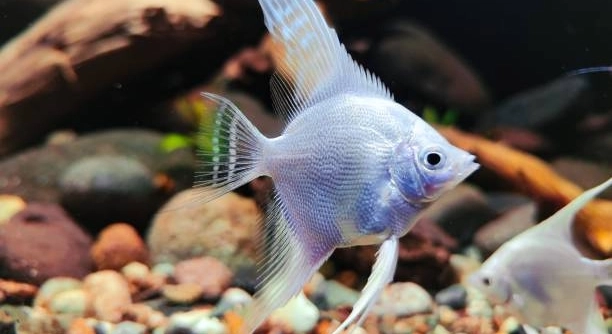
Angelfish are known for their graceful swimming patterns, but sometimes they stop mid-swim, leaving aquarium owners puzzled. This unusual behavior can raise concerns about their health and overall well-being. Understanding why this happens is key.
Angelfish may stop mid-swim for various reasons, including environmental stress, illness, or a lack of food. It could also be due to territorial behavior or water quality issues, which impact their swimming abilities and overall health.
Recognizing these factors can help prevent future occurrences and ensure your angelfish stay healthy and active.
Water Quality Issues
One of the most common reasons your angelfish might stop mid-swim is poor water quality. Angelfish are very sensitive to changes in their environment. A sudden fluctuation in temperature or pH levels can cause them to become stressed. The water temperature should ideally be between 76-82°F, and the pH level should range from 6.8 to 7.8. If these parameters are off, it could affect their ability to swim smoothly.
Angelfish are also sensitive to ammonia, nitrites, and nitrates in the water. Elevated levels of these substances can irritate their gills, making it hard for them to breathe and move properly. Regular water changes and proper filtration are essential to maintain a healthy environment.
If your angelfish stops mid-swim frequently, it’s worth testing the water quality. Addressing any imbalances or toxins can help restore normal swimming behavior and improve the fish’s overall health.
Illness or Injury
Angelfish may stop swimming due to illness or injury. Fish are skilled at hiding pain, so the signs of sickness can be subtle. However, when an angelfish is feeling unwell, it may swim less or stop moving altogether. Common health issues like swim bladder disease or parasites can cause them to lose control of their movement. Injuries from tank mates or accidental encounters with objects in the tank can also affect their swimming.
A change in swimming behavior is often the first visible sign of a problem. If you notice other symptoms such as faded colors, bloating, or clamped fins, it’s important to check for disease or injury immediately. Quarantining the affected fish and seeking advice from a vet experienced in fish care can help treat the issue.
Taking care of your angelfish means watching for signs of distress and acting quickly. Regular check-ups, proper tank maintenance, and a balanced diet all contribute to preventing health problems.
Lack of Food
If your angelfish isn’t getting enough food, it can cause them to stop swimming and remain motionless. Angelfish need a balanced diet, with both plant-based and protein-rich foods. They should be fed twice a day, with portions that they can eat in a few minutes. If they’re not getting the right nutrients, their energy levels drop, affecting their behavior.
Overfeeding or underfeeding can both lead to problems. If you notice uneaten food sinking to the bottom, you might be giving them too much, which can affect water quality. On the other hand, if they aren’t eating enough, they may become lethargic. Proper portion control is key to maintaining a healthy angelfish that swims freely.
To ensure your angelfish is thriving, offer them a varied diet of flakes, pellets, and occasional live food like brine shrimp. Keep track of feeding times and portion sizes to maintain a routine.
Territorial Behavior
Angelfish are territorial creatures, especially during breeding periods. When they feel their space is threatened, they may stop swimming or freeze mid-water. This is a defensive behavior, which often occurs when they are confronted with other tank mates. Their natural instinct is to protect their territory, and they will sometimes exhibit aggression or stand still to assert their dominance.
In community tanks, this behavior can be triggered by other fish entering their area, especially if they’re encroaching on their space or territory. Angelfish may also stop swimming when they feel cornered or stressed by tank mates. In some cases, they might even chase other fish away.
Managing territorial behavior can be challenging, especially if you have multiple fish in the same tank. Providing plenty of hiding spots and plants can help reduce conflict. If possible, avoid overcrowding to ensure all fish have their own space and are less likely to feel threatened.
Tank Size
Angelfish require enough space to swim freely. A cramped tank can lead to stress and affect their swimming. A minimum tank size of 20 gallons is recommended for a single angelfish, with extra space for additional fish. Too many fish in a small tank can cause constant territorial conflicts and discomfort.
A smaller tank doesn’t allow angelfish to express natural behaviors, making them feel restricted. This can lead to lethargy, where the fish stops swimming or remains stationary. Proper tank size ensures your angelfish has room to thrive. A larger tank with plants and hiding spots helps alleviate stress.
Water Temperature
Angelfish are tropical fish, and water temperature plays a vital role in their overall health. The ideal range is between 76-82°F. If the temperature is too cold, they might become sluggish and stop swimming altogether. Extreme fluctuations in temperature can lead to stress and health problems for your angelfish.
Temperature regulation is essential for maintaining the right environment. Use a reliable heater to keep the water stable and avoid sudden drops or spikes. Regularly check the temperature with an aquarium thermometer to ensure it stays within the ideal range. This simple step can help your fish remain active.
Poor Tank Maintenance
Neglecting tank maintenance can affect the health of your angelfish. Uneaten food, waste, and dirty filters can lead to poor water quality, which stresses your fish. This can cause them to stop swimming or exhibit abnormal behavior. Regular water changes and filter cleanings help maintain a clean, healthy environment.
Without proper tank upkeep, ammonia and nitrate levels build up, leading to respiratory problems. The increased toxicity of the water may be too much for your angelfish to handle. By sticking to a routine of cleaning, you ensure that your fish remain healthy, active, and free from disease.
FAQ
Why is my angelfish suddenly not swimming and staying still?
Your angelfish may be staying still due to stress, illness, or poor water quality. If the water conditions are not optimal—whether it’s the temperature, pH, or cleanliness—your fish might become lethargic. Illnesses like swim bladder disease can also cause an angelfish to stop swimming and stay motionless. Checking your water parameters and observing your fish for signs of illness can help identify the cause.
Can angelfish stop swimming due to overfeeding?
Yes, overfeeding can lead to poor water quality, which may cause your angelfish to stop swimming. Excess food in the tank decomposes, leading to ammonia spikes that can irritate the fish. Additionally, overfeeding can lead to bloating and discomfort, which might cause lethargy. Make sure to feed your angelfish only what they can consume in a few minutes to avoid these issues.
How can I tell if my angelfish is sick or just tired?
Sick angelfish may display other symptoms like faded colors, clamped fins, swollen bellies, or abnormal swimming patterns. If your angelfish isn’t swimming but shows no other signs of illness, it could just be resting. However, if they show unusual behavior like darting around, swimming erratically, or hiding, it could indicate an illness. It’s always best to monitor their behavior closely and isolate the fish if necessary.
Can other fish in the tank affect my angelfish’s swimming?
Yes, tank mates can affect an angelfish’s swimming. Aggressive or territorial fish can stress your angelfish, leading them to stop swimming or hide. If you have a tank with more aggressive species, consider separating them or providing more hiding spots for your angelfish. Peaceful tank mates are ideal to avoid this type of stress.
Should I be worried if my angelfish stops swimming after breeding?
After breeding, angelfish often exhibit a drop in activity levels. This behavior is normal, especially if they’re guarding their eggs or fry. However, if the inactivity persists for several days or is accompanied by other signs like swelling, it could indicate health problems. Monitoring your fish during this time can help you determine whether the behavior is typical or a sign of distress.
Is it normal for angelfish to stop swimming when they’re stressed?
Angelfish, like many other fish, will stop swimming or become lethargic when stressed. Stress factors include poor water conditions, aggressive tank mates, overcrowding, or changes in the tank environment. To reduce stress, make sure the water temperature, pH, and other parameters remain stable. Also, provide enough space and hiding places to make your fish feel secure.
Can an angelfish’s environment affect its swimming behavior?
Absolutely. The environment plays a significant role in an angelfish’s behavior. Poor water quality, incorrect temperature, overcrowding, and a lack of hiding spots can all contribute to abnormal swimming behavior. Creating a stable and comfortable environment will help your angelfish thrive. Ensure proper filtration, regular water changes, and space for your fish to swim freely.
How can I fix my angelfish’s swimming problems?
Start by checking the water quality and temperature. Make sure the water conditions are within the recommended range for angelfish. If the fish appears to be sick, isolate it and consult a vet or fish expert. Adjusting the diet and feeding habits can also help improve swimming behavior. If territorial aggression is an issue, providing more space and hiding spots can alleviate stress.
Why is my angelfish staying near the surface but not swimming?
If your angelfish is staying near the surface, it could be due to low oxygen levels in the water. Angelfish may seek out areas with more oxygen if the tank water is not properly aerated. Check your filtration system and make sure the water is moving enough to provide oxygen to your fish. Poor water quality or high temperatures could also make your angelfish stay near the surface.
Do angelfish stop swimming if they are too hot or too cold?
Angelfish are sensitive to temperature changes. If the water is too hot or cold, it can cause them to become sluggish and stop swimming. The ideal temperature range for angelfish is between 76°F and 82°F. If the water is outside of this range, it could stress your fish and lead to inactivity. Adjusting the temperature with a heater and checking the water regularly can prevent this issue.
What should I do if my angelfish is not swimming and I can’t figure out why?
If your angelfish isn’t swimming and you’ve ruled out obvious causes like water quality or illness, try isolating the fish in a quarantine tank. This can help reduce stress and give you the opportunity to observe the fish more closely. Consult a fish expert or vet for advice if the problem persists, as they can help diagnose potential health issues that might not be immediately obvious.
Can water changes help if my angelfish stops swimming?
Yes, water changes can help if poor water quality is the cause of your angelfish’s inactivity. Regular water changes, about 25% per week, help remove toxins like ammonia and nitrates, which can affect fish health. Additionally, cleaning the filter and checking the tank’s pH and temperature during water changes will ensure the environment is suitable for your fish.
How long can an angelfish go without swimming?
An angelfish may go without swimming for a short period, especially if it’s stressed or not feeling well. However, prolonged periods of inactivity can be a sign of an underlying issue. If your angelfish isn’t swimming for more than a few days, it’s time to assess the tank conditions, check for illness, and possibly isolate the fish. Keeping track of any other symptoms can help you determine the severity of the issue.
Final Thoughts
Angelfish can stop swimming for several reasons, and understanding the possible causes is key to addressing the issue. Factors like poor water quality, temperature imbalances, overfeeding, or stress from tank mates can all play a role in making your fish lethargic. By keeping a close eye on your tank conditions and ensuring everything stays within the recommended range, you can prevent many common problems. Regular water changes, proper filtration, and maintaining a stable environment will go a long way in keeping your angelfish healthy and active.
It’s also important to remember that sometimes angelfish need a little time to rest, especially after breeding. Temporary periods of inactivity might be perfectly normal, and not always a sign of a serious issue. However, if the inactivity lasts for an extended period or is accompanied by other concerning symptoms, it’s essential to take action. Consulting with a vet or fish expert can help you identify any underlying health problems that may not be immediately obvious. Don’t hesitate to isolate your fish in a separate tank if you suspect illness, as this can help in both diagnosis and treatment.
Ultimately, the key to preventing your angelfish from stopping mid-swim is creating a balanced, comfortable environment for them. With the right tank size, clean water, proper diet, and stress-free surroundings, your angelfish should stay active and healthy. Always be proactive in checking for signs of stress or illness, and make adjustments when necessary. Maintaining consistency in their care will lead to a thriving fish, and you’ll be able to enjoy their graceful swimming once again.

Hello,
If you enjoy the content that we create, please consider saying a "Thank You!" by leaving a tip.
Every little bit helps us continue crafting quality advice that supports the health, happiness, and well-being of pets around the world, for pets of all shapes, sizes, and species.
We really appreciate the kindness and support that you show us!