
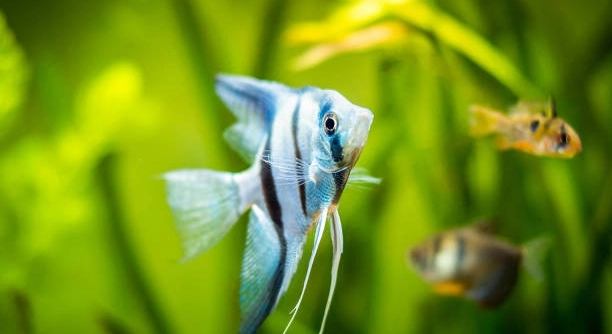
Angelfish can be beautiful additions to any aquarium, but their aggressive behavior can become a concern. If your angelfish are constantly fighting, it can lead to stress and even harm. Understanding how to manage this behavior is essential.
The most common reason for fighting among angelfish is territorial disputes. Aggressive behavior can be reduced by providing adequate space and hiding spots. Additionally, ensuring a balanced tank environment and monitoring water conditions can prevent stress, which often triggers aggression.
By addressing these simple factors, you can help create a peaceful environment for your angelfish, ensuring their health and happiness.
Provide Plenty of Space and Hiding Spots
When keeping angelfish, space is one of the most important factors in preventing fights. Angelfish are territorial creatures, and overcrowding can lead to heightened aggression. A crowded tank increases competition for space, making fish more likely to become stressed and fight over territory. To reduce conflict, make sure your aquarium is large enough to accommodate all of your angelfish.
Adding plenty of hiding spots in the form of rocks, plants, or decorations can help each angelfish claim its own space. These hiding places give fish somewhere to retreat when feeling threatened. When each angelfish has its own designated space, it can help reduce tension and foster a calmer environment.
If you have multiple angelfish, it’s best to have a tank that’s at least 30 gallons. This ensures there’s enough room for each fish to establish its own territory without constantly encountering other angelfish. The less stress they experience, the less likely they are to fight. A well-organized tank with plenty of room and hiding spots promotes a healthier and more peaceful environment for your fish.
Monitor Tank Water Quality
Water quality plays a huge role in angelfish behavior. Poor water conditions can cause stress, which may lead to fighting. Regularly check and maintain your tank’s water to ensure your fish remain healthy and calm.
Keeping the water clean, properly filtered, and at the right temperature will reduce stress levels. Changes in water conditions can trigger aggression among fish, making it essential to maintain stable parameters.
Separate Aggressive Angelfish
Sometimes, one angelfish may become particularly aggressive toward others. If this happens, it’s best to separate them from the rest of the tank to avoid injury. Isolation gives the aggressive fish a chance to calm down and reduces stress on the others.
Setting up a quarantine tank can be an effective solution for this. The smaller tank gives the aggressive fish some space while allowing the other angelfish to remain in their usual environment. This strategy also lets you monitor the fish’s health closely, ensuring no further issues arise. After a period of isolation, you can try reintroducing the fish to the main tank, but be prepared to repeat the process if necessary.
It’s also important to observe the aggressive fish during its isolation. Aggression may be caused by illness, stress, or improper conditions. Once the underlying issue is addressed, you’ll be able to reintroduce the fish without causing further harm to the others.
Avoid Overfeeding
Overfeeding can lead to an increase in aggression among angelfish. When fish aren’t hungry, they may become more territorial and focus their energy on other fish instead of food. It’s important to stick to a feeding schedule and offer only what the fish can consume within a few minutes.
Excess food also leads to poor water quality, which can cause further stress and aggression. By feeding your angelfish in controlled amounts, you help maintain a healthier environment and reduce the likelihood of fights. Moreover, ensuring the fish are properly fed without overfeeding prevents competition for food, which is a common cause of stress in aquariums.
Feeding should be done in small portions, and any leftover food should be removed promptly to avoid water contamination. This helps prevent the buildup of waste, keeping the tank clean and the fish healthy.
Ensure Proper Tank Temperature
Angelfish thrive in warmer water, typically between 76°F and 82°F. If the water is too cold, they can become stressed and more prone to aggression. Regularly check your tank’s temperature to maintain an environment that keeps your fish calm.
A consistent temperature range helps reduce stress and allows the angelfish to feel secure in their environment. Fluctuations in temperature can lead to territorial behavior as the fish become agitated. Investing in a reliable aquarium heater and thermometer will ensure the water stays within the optimal range.
Provide Compatible Tank Mates
Not all fish are suitable tank mates for angelfish. Some species may aggravate them or cause territorial disputes. It’s important to choose tank mates that are peaceful and of similar size to prevent unnecessary aggression.
Compatibility is key to creating a harmonious tank. Avoid housing angelfish with overly aggressive or fast-moving fish. Instead, opt for calm species that won’t challenge the angelfish’s space. Suitable tank mates can help diffuse aggression by spreading attention across multiple fish.
Regularly Maintain Your Tank
Keeping your tank clean and well-maintained is essential for healthy, calm angelfish. Regular water changes help remove toxins and waste that can contribute to stress and fighting. Use a good filtration system and clean decorations and substrates regularly.
Maintaining a clean environment is not only important for the health of your fish but also for reducing stressors that may trigger aggression. Keeping up with regular maintenance routines ensures the water quality stays optimal, preventing behavioral issues like fighting among angelfish.
FAQ
Why are my angelfish fighting?
Angelfish are territorial, and they often fight to establish dominance. This aggression can be triggered by overcrowding, insufficient space, or poor water quality. Additionally, angelfish may fight if they feel threatened by other fish or if they are competing for resources like food. Each angelfish needs enough space to establish its own territory to reduce the likelihood of conflict.
How can I stop my angelfish from fighting?
To stop angelfish from fighting, provide plenty of space and hiding spots within the tank. You should also maintain proper water conditions, as poor water quality can increase stress, which leads to aggression. If necessary, separate particularly aggressive fish into quarantine tanks for a while to help them calm down. Make sure to feed your fish appropriately and avoid overfeeding.
Is it okay to have multiple angelfish in the same tank?
Yes, multiple angelfish can live together in the same tank as long as the tank is large enough. A 30-gallon tank or larger is ideal for housing a few angelfish. Providing sufficient space allows each angelfish to claim its own territory, reducing the chances of fighting. Be mindful of the size and temperament of other fish in the tank as well.
How do I know if my angelfish are fighting or just displaying dominance?
While both fighting and dominance displays involve aggressive behavior, there are differences. Fighting typically involves physical contact, such as chasing, nipping, or biting. Dominance displays, on the other hand, involve more posturing, such as flaring fins or swimming in a particular pattern, but without actual fighting. If you notice physical injuries, it’s likely fighting. If there’s no injury, it’s probably a dominance display.
Can I add other fish with my angelfish to prevent fighting?
Yes, adding peaceful tank mates can help reduce aggression. However, it’s important to choose fish that won’t challenge the angelfish for territory. Good tank mates for angelfish include larger, calm species like tetras, gouramis, or corydoras. Avoid fast or aggressive fish, as they can trigger stress in angelfish.
Do angelfish need to be kept in pairs?
Angelfish do not need to be kept in pairs, but they often do better with a mate if the tank is large enough. In a pair, angelfish are usually less aggressive toward each other. However, if you are keeping multiple angelfish in a tank, it’s best to provide enough space for each to establish its own territory, especially if the tank is crowded.
Why do my angelfish chase each other around the tank?
Chasing is common among angelfish, especially if they are trying to establish dominance. It can also occur during mating behavior or when a dominant fish is asserting its territory. If the chasing is not accompanied by injury or excessive stress, it’s typically just part of their natural behavior. However, constant chasing may indicate a lack of space or resources in the tank.
How can I reduce stress in my angelfish?
To reduce stress in angelfish, ensure they have a clean, well-maintained tank with proper water conditions, including the right temperature, pH, and filtration. Provide plenty of hiding spots and enough space to reduce territorial aggression. Avoid overcrowding, and make sure the tank mates are compatible. Also, avoid sudden changes in the tank’s environment, as this can cause stress.
Can angelfish live with other aggressive fish?
Angelfish generally do not do well with other aggressive fish. While some species may coexist peacefully, it’s best to avoid aggressive fish like cichlids or fish that are too fast or territorial. When choosing tank mates for angelfish, select species that are calm and non-aggressive to avoid stressing your angelfish.
What is the best tank size for angelfish?
A minimum of 30 gallons is recommended for a small group of angelfish. However, larger tanks provide more space for them to establish territories and reduce conflict. In larger tanks, you can also add more hiding spots and decorations to help break up the territory and give fish places to retreat.
Can I breed angelfish to stop their fighting?
Breeding angelfish won’t necessarily stop fighting, but it can reduce aggression if done correctly. When breeding, it’s important to provide a separate breeding tank where the pair can have their own space. However, even in a breeding pair, fighting can still occur outside of the breeding process, especially if other fish are in the tank. Proper tank management is key.
Final Thoughts
Managing angelfish that keep fighting can be a challenge, but it’s not impossible. The key is creating an environment where they feel comfortable and secure. Ensuring they have enough space, proper water quality, and compatible tank mates can go a long way in reducing aggression. Angelfish, like all fish, have their own personalities. Some may be more dominant and territorial, while others may be more peaceful. Understanding these traits can help you better manage their behavior.
When setting up your tank, consider adding plenty of hiding spots and decorations. This gives angelfish the opportunity to claim their own space and helps reduce conflicts. A well-maintained tank with stable water parameters is crucial for minimizing stress, which is a major factor in aggressive behavior. Regular water changes, proper filtration, and maintaining a consistent temperature can all contribute to a calmer and healthier environment for your fish.
If you’ve tried these strategies and your angelfish continue to fight, it may be necessary to isolate particularly aggressive fish. A quarantine tank can give them time to calm down before reintroducing them into the main tank. Be patient and observant; sometimes, the solution may take a little time to implement fully. With the right care, your angelfish can thrive in a peaceful aquarium setting.

Hello,
If you enjoy the content that we create, please consider saying a "Thank You!" by leaving a tip.
Every little bit helps us continue crafting quality advice that supports the health, happiness, and well-being of pets around the world, for pets of all shapes, sizes, and species.
We really appreciate the kindness and support that you show us!