
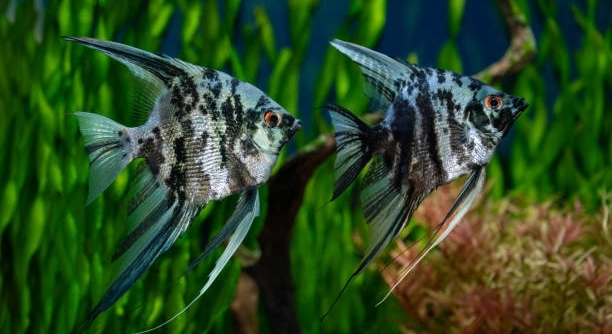
Have you ever caught your angelfish staring at you from inside the tank and felt like it was trying to tell you something?
Angelfish appear to watch their owners due to a mix of curiosity, social behavior, and recognition patterns. These fish often learn routines and respond to movements, creating the impression that they are observing their environment—and you—in detail.
Learning how and why angelfish act this way can help you understand them better and create a more enriching aquarium experience.
They Recognize Movement and Routine
Angelfish are surprisingly aware of what’s going on outside their tank. Over time, they begin to recognize your daily patterns. When you feed them around the same time each day or approach the tank in a certain way, they take notice. This awareness helps them associate your presence with food and care. Their eyes are placed in a way that allows them to track movement outside the glass, so if you walk by or stand nearby, they may turn and watch closely. While it might seem like they’re staring, they’re often just reacting to familiar motion or waiting for the next feeding. Fish have been shown to learn routines quickly, and angelfish, in particular, are smart enough to anticipate your actions based on what they’ve seen before.
Their behavior reflects a natural response to stimulus, especially if they expect a reward.
You might notice this even more when feeding schedules are consistent.
They Might Be Expressing Curiosity
Angelfish are naturally curious and often investigate new things in their environment, including you. This behavior is a sign of their intelligence and alertness. If you move near the tank or adjust objects inside, they may swim over to inspect.
It’s also common for them to hover close to the glass or follow your finger. These actions are part of their curious nature and can indicate they feel safe enough to approach. Unlike some fish that hide when people are near, angelfish are generally more social and bold. This makes them more likely to observe you closely. They’re also responsive to changes, especially when something out of the ordinary catches their attention. Over time, this creates a pattern where they “watch” you more often, not out of fear, but because you’ve become part of their regular environment. Their interest is a simple sign of interaction and awareness.
They Associate You with Feeding
Angelfish quickly learn who feeds them. When they see you approach, they often swim to the front of the tank in anticipation. This creates the impression that they’re watching you, when they’re really waiting for food.
Over time, this behavior becomes routine. If you’re the main person who feeds them, they will associate your presence with something positive. This can lead them to swim closer when you’re near or stay alert when you enter the room. It’s not just about hunger—it’s a learned response based on repetition and reward. Their strong sense of pattern recognition makes them responsive to regular care and attention. They may even follow your movements as they wait for the lid to open or the food to drop.
This learned behavior is reinforced by consistency. Feeding at the same time and being the one to interact with them helps them form this visual connection.
Their Eyes Are Designed for Side Viewing
Angelfish eyes are located on the sides of their head, which allows them to see a wide area around them. This placement makes it easy for them to detect motion and changes even when they’re not directly facing you.
They might appear to be staring when they’re simply tracking movement or shifting focus. Fish vision is different from ours—they rely more on contrast, light, and movement than fine details. When you stand beside the tank, your movements are more noticeable from their angle of vision. This makes them more likely to turn toward you, hold still, or follow with their eyes. It’s not always a direct stare, but a visual response to something changing in their environment. The design of their eyes gives them an almost panoramic field of view, which helps them stay alert and responsive to outside activity.
This built-in awareness adds to the feeling that they’re always watching.
They Respond to Vibrations and Light Changes
Angelfish are sensitive to changes in light and vibrations around their tank. Even small movements or footsteps can catch their attention and cause them to react by looking toward the source.
When lights switch on or off, or shadows pass by, they become more alert. These sudden changes signal possible food or activity.
They Learn to Recognize Faces
Over time, angelfish can start to recognize the person who cares for them most. Studies have shown that fish can distinguish between different human faces, especially when one is regularly feeding or interacting with them. This ability allows them to show preference or trust by swimming closer or appearing more relaxed when you’re nearby. While their recognition may not be as sharp as a dog’s, it’s still meaningful. Their reactions aren’t random—they’re based on repeated exposure and positive experiences. This subtle form of recognition can feel like they’re watching you on purpose, but it’s really a sign of learned trust and familiarity.
They Might Be Claiming Territory
When angelfish stare or follow your movements, it might also be territorial behavior. They’re trying to keep track of what’s near their space.
FAQ
Can angelfish really recognize their owners?
Yes, angelfish can learn to recognize the person who regularly feeds or interacts with them. While their recognition isn’t emotional like a dog’s, it’s based on routine, shapes, and movement. If you’re consistently present at feeding times or often near the tank, they will begin to associate your presence with food or comfort. Over time, they may swim toward you, appear more relaxed, or seem more curious when you’re near. This doesn’t mean they love you in a human sense, but it does show awareness and learned behavior based on experience and familiarity.
Why does my angelfish always come to the glass when I’m near?
Your angelfish is most likely responding to your presence because it associates you with food. These fish are excellent at learning feeding times and who provides them. If they rush to the front of the tank or stay close to the glass, they’re expecting something. It’s also possible that your movement or shadow has triggered their alert instincts. Many aquarium fish show this kind of behavior, and it’s perfectly normal. It means they’re responsive, observant, and used to your presence. They might not know you the way humans understand each other, but they do remember patterns.
Is it normal for angelfish to stare without moving?
Yes, this is a normal behavior. Angelfish may freeze and stare as a way to monitor movement or changes in their environment. Their stillness allows them to observe without drawing attention to themselves, especially if they’re unsure about something. They also tend to hover near the front of the tank out of curiosity or anticipation. If your angelfish stares at you often, it’s likely because they recognize you and expect interaction, usually feeding. Unless they’re showing other signs of stress or illness, staring without moving is just another way they observe and react to their surroundings.
Could staring be a sign of aggression or stress?
Sometimes. If your angelfish is staring while flaring its fins or displaying other aggressive signals like nipping or chasing, it could be claiming territory or feeling threatened. However, staring alone isn’t usually a sign of aggression. If they’re also hiding, breathing rapidly, or showing dull coloration, stress may be a factor. Check the tank conditions—water quality, temperature, and tank mates all play a role. If everything looks normal and the staring comes with relaxed swimming, there’s no need for concern. Context matters, so observe their full behavior before jumping to conclusions.
Do angelfish watch other fish the same way they watch humans?
Yes, but the purpose is different. Angelfish monitor tank mates to check for threats, food competition, or social interaction. Their interest in humans is more about learned behavior and curiosity. When watching other fish, they might be guarding their space or considering a challenge. In contrast, watching you is more passive—typically a result of routine and observation. If they’re following another fish closely or acting territorial, it’s more about rank and space. When they’re near the glass with a calm posture, they’re probably just aware of your presence and keeping track of movement outside the tank.
Should I interact with my angelfish more if it seems interested?
Yes, gentle interaction can be beneficial. Moving your finger along the tank glass, feeding at consistent times, or even just standing near the tank can help reinforce positive recognition. Some fish enjoy this type of mental stimulation. Just avoid tapping or sudden movements, as this can cause stress. Interacting helps your angelfish feel more secure in its environment and may even make feeding and maintenance easier. Over time, it builds a pattern of trust. While angelfish don’t form emotional bonds like mammals, they do remember interactions and may respond to familiar routines with more confidence.
Final Thoughts
Angelfish are more aware of their surroundings than people often expect. Their behaviors—like watching you from the front of the tank or following your movements—are not random. These actions are usually based on routine, learned responses, and natural instincts. Over time, they can grow familiar with the people who feed or care for them. This familiarity doesn’t mean emotional attachment in the human sense, but it does show that they remember patterns. What might seem like them watching you closely is often just curiosity, a habit built through repetition, or a sign that they are expecting food or interaction.
There are many reasons your angelfish may appear to be watching you. They could be reacting to light or sound, guarding their territory, or simply exploring what’s outside their tank. Their vision is adapted to see shapes and motion, so even small movements can grab their attention. They also learn to associate certain things with food or activity, and that includes you. That kind of awareness makes them seem more intelligent than many give them credit for. Watching from the glass or hovering nearby is a normal and healthy behavior, especially if the fish appears calm and active.
Keeping an eye on how your angelfish behaves is one of the best ways to understand its needs. If their “watching” behavior is paired with stress signs—like hiding, dull colors, or rapid breathing—it may be time to check the tank’s setup. But if they seem healthy and just follow you from side to side, there’s likely no issue. It’s simply a sign that they’re alert and aware of what’s going on around them. Their behavior might not be complex, but it is meaningful. Paying attention to how they react to you can help you create a better routine, a more stable environment, and a more enjoyable space for them to live in. Watching you might be one of their ways of learning, adapting, or just keeping track of what happens in their world.

Hello,
If you enjoy the content that we create, please consider saying a "Thank You!" by leaving a tip.
Every little bit helps us continue crafting quality advice that supports the health, happiness, and well-being of pets around the world, for pets of all shapes, sizes, and species.
We really appreciate the kindness and support that you show us!