
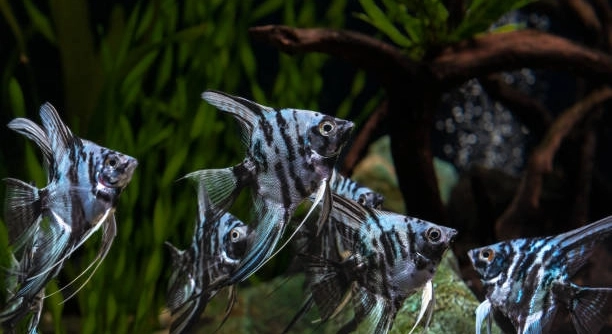
Angelfish are known for their graceful movements and vibrant colors, but sometimes they may act shy or withdrawn. Understanding the reasons behind this behavior can help ensure your fish’s well-being and improve their overall health.
There are several possible causes for a shy angelfish, including environmental factors, stress, illness, or even the presence of tank mates. A sudden change in surroundings or water conditions can make them retreat, affecting their usual behavior.
Identifying the cause of this behavior will help improve your angelfish’s quality of life and ensure they thrive in their tank environment.
Environmental Stressors
Angelfish are sensitive to their environment, and even small changes can cause them to become shy. Fluctuations in water temperature, pH, or water quality can trigger stress, leading to behaviors like hiding or becoming less active. They are also highly sensitive to sudden shifts in light or sound, which can make them anxious. If there’s a change in the tank’s decor or a loud noise nearby, these can disrupt their sense of security. Maintaining stable conditions in their tank is essential to keeping your angelfish comfortable and active.
Ensuring that your angelfish’s tank environment is consistent is crucial. Stability in water quality and light conditions will help prevent stress-related behaviors.
When setting up your angelfish’s tank, it’s important to avoid sudden changes in water conditions. Ensure the water temperature remains stable between 76°F and 84°F, and regularly test the water to maintain the right pH, hardness, and ammonia levels. A well-maintained tank reduces the likelihood of stress and promotes more natural behavior from your fish. Adding plants or decorations that allow your angelfish to retreat and feel safe can also help them settle. These small steps go a long way in creating a calming environment for your fish, improving their overall well-being.
Tank Mates
The type of fish in your tank can significantly affect how your angelfish behaves. Aggressive tank mates can make your angelfish feel threatened, causing them to hide more frequently. Angelfish tend to be peaceful but can become stressed when surrounded by overly active or territorial fish. Additionally, overcrowding can make them feel trapped and anxious. It’s important to carefully select tank mates that won’t create stress or compete for resources.
Choose peaceful, compatible fish that don’t dominate the space, such as tetras or peaceful catfish.
Adding fish that won’t harass or dominate your angelfish will create a more harmonious tank environment. Fish like neon tetras or Corydoras catfish are often ideal companions because they are calm and non-aggressive. Ensure there is plenty of space for all fish to swim freely. Avoid housing them with species that are overly territorial, such as cichlids or larger fish that might intimidate them. Angelfish appreciate having their own space and will thrive when they’re not constantly in a competitive environment. Additionally, monitoring your tank for any signs of aggression or bullying is key to keeping your angelfish feeling secure and confident in their habitat.
Illness or Injury
Angelfish can act shy or withdrawn if they are not feeling well. Illness can cause them to retreat to a hiding spot, where they may stay for longer periods. Common health issues like fin rot, parasites, or internal infections may not always be visible at first but can affect behavior. If you notice changes in their swimming pattern or appetite, it may be time to examine their health.
Monitor your angelfish for any physical signs of illness, such as faded colors, torn fins, or swelling. These symptoms can signal an underlying issue that needs immediate attention.
If your angelfish is acting shy and exhibiting abnormal behavior, check the water quality and ensure there are no sharp objects or aggressive tank mates causing injury. Regular water changes and proper filtration can prevent many health problems. If no improvement is seen, consider isolating the fish in a quarantine tank for observation and treatment. Consulting an aquarium specialist or veterinarian can also help identify and treat any potential illnesses.
Feeding Issues
Feeding issues can cause your angelfish to become shy, especially if they feel their food source is under threat. If they are not receiving enough food or are being outcompeted by other fish, they may retreat to avoid conflict. On the other hand, overfeeding can cause uneaten food to pollute the water, leading to a stressed fish. Ensuring the right balance is key to keeping your angelfish active and social.
Adjust the amount and frequency of feeding to meet your angelfish’s needs.
Feed your angelfish a varied diet that includes both pellets and live or frozen foods. This can help them feel secure and less likely to compete with other tank mates. It’s important not to overfeed, as excess food can cause poor water quality. Watch your fish during feeding time to ensure they are getting enough and that the food is being eaten. If your angelfish is acting shy, consider reducing the number of tank mates to reduce food competition. Regular feeding schedules help maintain a sense of routine and comfort for your fish.
Water Quality
Poor water quality is a major cause of stress for angelfish. High levels of ammonia, nitrites, or nitrates can affect their health and behavior. If the water is not properly filtered or maintained, it can lead to shy or lethargic behavior. Regular testing of water parameters can help identify and resolve issues.
Maintaining stable water conditions is essential to keeping your angelfish healthy.
To ensure good water quality, conduct regular water changes and clean the tank filter. Use a reliable water testing kit to monitor levels of ammonia, nitrites, and nitrates. Additionally, avoid overcrowding the tank, as it can lead to poor water circulation and high waste levels. A stable environment promotes confidence in your angelfish.
Tank Size
Angelfish need space to swim comfortably. A tank that is too small can make them feel cramped, leading to shy behavior. Angelfish grow quite large and need adequate space to explore. A minimum of 30 gallons is recommended for a pair of angelfish, with additional space for other tank mates.
A larger tank promotes natural behavior and reduces stress for your angelfish.
When considering tank size, remember that angelfish are active swimmers and require room to move. A spacious environment allows them to establish territory and feel secure. Avoid placing multiple angelfish in a tank that is too small, as this can cause stress, competition, and reduced activity.
FAQ
Why is my angelfish hiding?
Angelfish may hide when they feel stressed, threatened, or unwell. A change in water conditions, temperature, or the presence of aggressive tank mates can make them retreat. Additionally, if the tank is overcrowded or the fish feels unsafe, they may prefer hiding in plants or decorations. It’s important to monitor water quality and ensure there are no aggressive fish around. If your angelfish continues to hide, check for signs of illness and adjust tank conditions as needed.
How can I reduce stress in my angelfish?
To reduce stress, ensure that your angelfish have a stable and clean environment. Maintain proper water conditions, including temperature, pH, and ammonia levels. Avoid sudden changes in the tank, such as rearranging decorations or adding new fish without acclimation. Make sure your tank is not overcrowded, and provide hiding places like plants or rocks for your angelfish to feel secure. Avoid excessive noise and bright light that might cause additional stress.
How often should I feed my angelfish?
Angelfish should be fed once or twice a day. Feed them a balanced diet that includes pellets, flakes, and occasional live or frozen foods. Overfeeding can lead to water pollution, while underfeeding may leave your fish feeling stressed or weak. Only feed as much as they can eat in a few minutes to avoid leftover food causing water quality issues. Consistent feeding times help establish a routine, which can also reduce stress.
Can I keep angelfish with other fish?
Yes, angelfish can be kept with other peaceful fish, but it’s important to choose tank mates carefully. Avoid aggressive species or large fish that may intimidate the angelfish. Smaller peaceful fish like tetras, Corydoras, and guppies are good choices. Also, be mindful of the tank size. Overcrowding can lead to stress and shyness. Monitor interactions and adjust tank mates if any aggression occurs.
What temperature should I keep my angelfish tank at?
Angelfish thrive in temperatures between 76°F and 84°F (24°C to 29°C). Keeping the water within this range helps to ensure they are comfortable and reduces the likelihood of stress or illness. Too cold or too warm of water can cause discomfort and may lead to shyness or lethargy. Use an aquarium heater to maintain a consistent temperature, especially in colder climates.
How can I tell if my angelfish is sick?
Signs that your angelfish might be sick include changes in behavior, such as increased hiding or lethargy, loss of appetite, or erratic swimming patterns. Physical symptoms can include faded colors, torn fins, bloating, or abnormal growths. If you notice any of these symptoms, it’s important to isolate the fish in a quarantine tank for further observation and treatment. Consult an aquarium specialist or veterinarian for advice on diagnosing and treating the illness.
Why is my angelfish not eating?
If your angelfish is not eating, there may be several reasons. Stress from changes in tank conditions, water quality, or tank mates could cause a loss of appetite. Illness or injury can also affect their eating habits. Ensure the water is clean and at the right temperature, and that the fish are not stressed by other tank mates. If the lack of eating persists, consider isolating the fish to monitor them closely and rule out illness.
Can angelfish live with bettas?
It is generally not recommended to keep angelfish and bettas together. Bettas are territorial and can become aggressive toward other fish, especially those with long, flowing fins like angelfish. This can cause stress or injury to both fish. If you still choose to keep them together, ensure that the tank is large enough to provide plenty of space and hiding spots to reduce aggression.
How do I help my angelfish adjust to a new tank?
When introducing an angelfish to a new tank, make sure to acclimate it slowly by floating the bag in the tank for 15-20 minutes to adjust the temperature. Gradually add small amounts of tank water to the bag to help the fish adjust to the water conditions. Avoid rushing this process, as sudden changes in water temperature or chemistry can cause stress. Once fully acclimated, gently release the angelfish into its new environment and give it time to adjust.
What are some common behaviors of angelfish?
Angelfish are generally peaceful and enjoy swimming in the middle or upper levels of the tank. They are territorial and may establish areas of the tank as their own, especially when breeding. They may engage in courtship displays, such as synchronized swimming or gentle nipping, to show interest in a mate. Angelfish can also be curious, often exploring their tank, but may retreat to hiding spots when feeling stressed.
Final Thoughts
Angelfish can be sensitive creatures, and changes in their behavior, such as shyness, are often a response to their environment. It’s essential to ensure that their tank conditions are optimal for their well-being. Poor water quality, inappropriate tank mates, and stress from overcrowding can cause angelfish to act withdrawn. Regular monitoring of water parameters and keeping the tank clean will go a long way in helping them feel secure. Providing a stable environment with plenty of hiding spots also helps to reduce stress and encourages your angelfish to be more active and confident.
It’s also important to consider the social dynamics in the tank. Angelfish can be territorial, especially during breeding, and the presence of aggressive fish can make them shy or stressed. Ensuring that they have enough space and are not competing for food or territory is vital to their health and behavior. If your angelfish is acting shy, try adjusting the tank environment, such as rearranging decorations, adding more plants, or reducing the number of tank mates. The goal is to create a peaceful atmosphere where your angelfish can thrive without feeling threatened.
While some level of shyness can be normal, long-term withdrawal or behavioral changes are often signs of a deeper issue. Addressing any health concerns, improving tank conditions, or adjusting the fish’s social environment can lead to a more active and confident angelfish. It may take some time for them to adjust, but with patience and care, your angelfish should feel more at ease. Always observe their behavior closely to catch any signs of illness or stress early, and make changes as needed to ensure their health and happiness.

Hello,
If you enjoy the content that we create, please consider saying a "Thank You!" by leaving a tip.
Every little bit helps us continue crafting quality advice that supports the health, happiness, and well-being of pets around the world, for pets of all shapes, sizes, and species.
We really appreciate the kindness and support that you show us!