
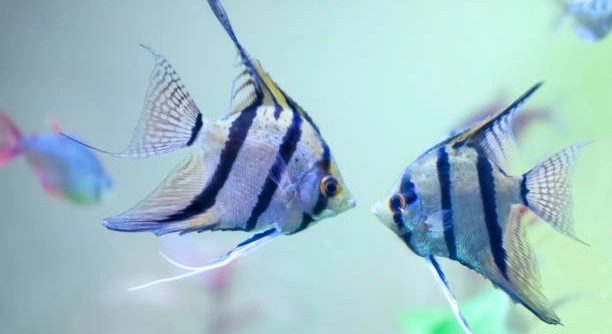
Moving Angelfish to a new tank can be stressful for both the fish and their owners. Proper preparation is key to ensuring a smooth transition and minimizing discomfort. Understanding how to manage this process will improve the well-being of your fish.
To reduce stress when moving Angelfish, gradually acclimate them to the new tank by matching water conditions. Ensure the water temperature, pH levels, and salinity are similar to their previous environment. This reduces shock and helps them adjust more easily.
These simple steps will guide you in providing a stress-free move for your Angelfish and promote their long-term health.
Acclimating Angelfish to New Water Conditions
One of the most important steps in reducing stress is acclimating Angelfish to the new water conditions. Sudden changes in temperature or pH can shock the fish, potentially causing long-term health issues. To start, allow the water in the new tank to reach the same temperature as the water from their previous tank. This can be done by floating the fish in a bag or container inside the new tank for about 15 to 20 minutes. During this time, let the fish adjust to the water temperature. Afterward, slowly add small amounts of the new tank water into the bag, allowing the fish to gradually adapt to its composition. The process should take at least an hour to ensure a smooth transition without causing stress. Acclimating slowly helps prevent a sudden shock, which can cause the fish to become stressed or disoriented. This method promotes a healthier transition for your Angelfish.
To make sure your Angelfish is adjusting well, observe their behavior. If they swim actively and show curiosity, they are likely adapting well to the new environment. If they appear sluggish or stressed, consider adjusting water parameters further.
When moving Angelfish to a new tank, one of the key aspects is ensuring that the tank’s water parameters match those of their previous environment. If the pH or temperature is too different, the fish may struggle to adjust, resulting in significant stress. Adjusting these parameters before introducing your Angelfish is critical. Moreover, it’s essential to check the ammonia, nitrate, and nitrite levels in both tanks. A sudden spike in these levels can be harmful to Angelfish, potentially leading to illness. Before the transfer, double-check that the new tank has proper filtration and that the water is properly aerated. This ensures that the Angelfish have a stable and clean environment to move into, reducing the risk of stress or disease. By ensuring the new tank’s water closely mirrors the old one, you will help your Angelfish adapt to their new home much more smoothly.
Avoid Overcrowding the New Tank
When moving your Angelfish, it’s crucial not to overcrowd the new tank. Overcrowding can increase stress levels, making it difficult for the fish to adjust. Ensure that the new tank is spacious enough to allow your Angelfish to swim freely without feeling trapped.
One of the main causes of stress in fish is limited space. Overcrowded tanks can lead to aggressive behavior and poor water quality, both of which harm Angelfish. Be sure to provide adequate room for the fish to swim and explore their new environment.
Maintain Stable Lighting
Proper lighting is essential when moving Angelfish to a new tank. Bright or fluctuating lights can create stress, so it’s best to keep the lighting dim during the first few days. Gradually increase the intensity to allow the fish time to adjust.
Angelfish prefer low to moderate light levels, so avoid using intense aquarium lights, especially right after the move. Too much light can make them feel exposed and vulnerable, leading to stress. Ensure that the lighting is stable and doesn’t change too drastically throughout the day. Over time, the fish will become more comfortable in their new environment and can adapt to a more consistent lighting schedule. This also helps reduce stress, allowing them to establish their new territory in peace.
Avoid turning on bright lights in the tank during the first 24 hours after the move. Instead, use a dim, natural light for a more soothing environment. This gives your Angelfish time to adjust to the new space without the added pressure of bright lights. After a few days, you can slowly introduce a regular light cycle. Stable lighting helps them feel secure, which reduces overall stress and improves their adaptation to the new surroundings.
Monitor Water Quality
Good water quality is a must when moving Angelfish. Ammonia, nitrate, and nitrite levels should be tested regularly to ensure they are within safe ranges. Poor water quality can contribute to stress and health problems for the fish.
Before moving the Angelfish, test the water quality in both the new tank and the current one. It’s important to make sure the new tank has been properly cycled and that harmful chemicals or pollutants are not present. The fish’s immune system can be weakened by poor water conditions, increasing the chances of illness. Keeping the water quality stable and free from contaminants is one of the easiest ways to minimize stress for your Angelfish. Additionally, make sure that the water temperature is consistent and matches that of the old tank to avoid sudden changes.
Test the water every few days during the acclimation process, particularly for pH and ammonia levels. If the levels seem off, take immediate action to fix them. Clean filters, add water conditioners, and check the tank’s filtration system to ensure everything is functioning properly. Healthy water conditions will help your Angelfish adjust to their new home and thrive. Monitoring water quality is essential to ensuring a smooth transition and maintaining their health long-term.
Avoid Sudden Movements
When transferring Angelfish to a new tank, avoid sudden movements or disturbances around the tank. Quick or erratic movements can startle them, leading to stress. Keep the area around the tank calm and avoid tapping on the glass.
Angelfish are sensitive to changes in their environment, including fast movements or loud noises. These can cause them to feel unsafe, increasing their stress levels. Move slowly and deliberately when interacting with the tank, especially during the first few hours after the move. A calm atmosphere helps your fish feel secure and minimizes stress.
Provide Hiding Spots
Adding hiding spots like plants or decorations can help Angelfish feel secure. These provide them with safe spaces to retreat if they feel threatened, which reduces anxiety during the transition.
Hiding spots allow Angelfish to acclimate at their own pace. They can retreat when they feel stressed, giving them a sense of control. Using natural plants or caves in the tank creates a more comfortable environment and reduces stress. Be sure to place them strategically, so the fish have easy access to shelter when needed.
Keep the Tank Covered
A covered tank helps maintain water temperature and prevents fish from jumping. This reduces stress, especially after the move, when Angelfish may be more nervous. Make sure the cover fits securely.
FAQ
What should I do if my Angelfish looks stressed after the move?
If your Angelfish appears stressed after moving, the first thing to check is water quality. Test for ammonia, nitrate, nitrite, and pH levels to ensure they are within safe ranges. If the water parameters are off, adjust them immediately. Another factor to consider is temperature. Ensure that the water temperature in the new tank matches the one from their old tank. If it’s too warm or too cold, this can cause significant stress. Finally, ensure that the tank isn’t overcrowded and that there are plenty of hiding spots to provide a sense of security.
How long does it take for Angelfish to adjust to a new tank?
It typically takes Angelfish anywhere from a few days to a week to adjust to a new tank. The adjustment period depends on how well the new tank conditions match the old ones. During this time, it’s important to monitor their behavior. If they swim around actively and seem curious, they are likely settling in well. If they seem lethargic or hide constantly, it may indicate stress. Keeping the water quality stable and ensuring a calm environment will help speed up the process.
Can I feed my Angelfish right after the move?
It’s best to wait a few hours before feeding your Angelfish after moving them to a new tank. Giving them time to acclimate without the added stress of food can help them adjust better. Once they seem comfortable and are swimming normally, you can start offering small amounts of food. Be cautious not to overfeed, as the new tank may not yet have fully established its filtration system, leading to water quality issues.
How can I tell if my Angelfish is sick after moving?
After moving your Angelfish, look out for signs of illness, such as faded colors, clamped fins, or abnormal swimming patterns like floating at the top or bottom of the tank. If they stop eating or start to hide excessively, it may indicate stress or an underlying health issue. It’s important to monitor water conditions regularly and keep the tank clean. If the symptoms persist, consider consulting with a veterinarian or aquatic specialist to diagnose and treat any potential illness.
Is it okay to add new fish to the tank during the adjustment period?
It’s better to wait until your Angelfish have fully settled into their new tank before adding any new fish. Adding new fish during the adjustment period can increase stress levels, especially if the new arrivals are aggressive or if the tank is already crowded. Wait at least a week or more to allow your Angelfish to acclimate and get comfortable with their new environment. This will help maintain a more peaceful atmosphere and reduce the risk of territorial disputes.
Should I use any chemicals or additives to help reduce stress in my Angelfish?
While some fish owners use stress-reducing chemicals, such as water conditioners, it’s best to avoid them unless absolutely necessary. The best way to reduce stress is through proper tank setup and maintaining stable water parameters. If you do decide to use a chemical treatment, make sure it is specifically designed for Angelfish and follow the instructions carefully. Overusing these products can sometimes do more harm than good, so it’s important to focus on creating a natural, stable environment for your fish.
How can I prevent my Angelfish from jumping out of the tank?
Angelfish are known to jump, especially when they are stressed. To prevent this, ensure that the tank is properly covered with a secure lid. This will help maintain water temperature and keep your fish safe. If your tank doesn’t have a lid, consider getting one that fits securely. Make sure there are no gaps where the fish could escape. Additionally, avoid startling your Angelfish with loud noises or sudden movements, as these can trigger jumping behavior.
What is the best way to introduce new tankmates to my Angelfish?
When introducing new tankmates to your Angelfish, it’s important to do so gradually. Start by placing the new fish in a quarantine tank for a few days to ensure they are healthy. After that, carefully introduce them to the main tank. Monitor the Angelfish’s behavior to ensure they are not becoming overly territorial or aggressive. It’s a good idea to add fish that are similarly sized and peaceful, as Angelfish can sometimes become aggressive towards smaller or more timid species. Keep the tank spacious and well-planted to allow for enough hiding spots.
Why is my Angelfish hiding after the move?
Hiding is a natural behavior for Angelfish when they are stressed or adjusting to a new environment. It’s especially common in the first few days after a move. Ensure that the tank has enough hiding spots, such as plants or decorations, where the fish can retreat and feel safe. If your Angelfish continues to hide for an extended period, check water parameters, temperature, and lighting. If everything is stable, give your Angelfish some time to adjust. If the behavior persists, further evaluation of the environment may be necessary.
Final Thoughts
Moving Angelfish to a new tank can be a stressful experience for both the fish and their owner. It’s important to plan ahead and create an environment that minimizes stress. By ensuring the new tank has stable water parameters, plenty of hiding spots, and a calm atmosphere, you provide your Angelfish with the best chance for a smooth transition. The more closely the new tank mirrors the old one, the easier it will be for your fish to settle in.
It’s also crucial to avoid making drastic changes to the environment too quickly. Sudden changes in water temperature, lighting, or water chemistry can overwhelm your Angelfish, making them more likely to experience stress. It’s essential to give them time to adjust to the new tank, offering a sense of security and allowing them to explore at their own pace. Overfeeding or disturbing the tank too much can also increase stress levels, so patience is key during this period.
In conclusion, while moving Angelfish can seem like a challenging task, taking the proper steps to prepare the new tank and manage the process can make all the difference. Keeping the tank calm and stable, providing hiding spots, and giving your fish time to acclimate will help reduce stress. With the right care, your Angelfish will adjust to their new home and thrive in their updated environment.

Hello,
If you enjoy the content that we create, please consider saying a "Thank You!" by leaving a tip.
Every little bit helps us continue crafting quality advice that supports the health, happiness, and well-being of pets around the world, for pets of all shapes, sizes, and species.
We really appreciate the kindness and support that you show us!