
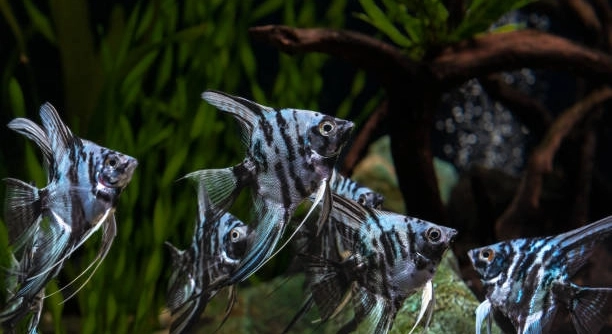
Angelfish are known for their beauty and grace, but sometimes they act nervous or skittish. If your angelfish seems anxious, there may be a reason behind its behavior that you can easily address.
Your angelfish’s nervousness may be caused by factors such as water quality issues, tankmates, sudden environmental changes, or even stress from overcrowding. Identifying and addressing these triggers can help calm your fish and improve its well-being.
Understanding the reasons behind your angelfish’s nervousness will allow you to create a better environment for it. By examining common causes, you can keep your fish healthy and stress-free.
Water Quality Issues
One of the first things to check when your angelfish seems nervous is the water quality. Fish are very sensitive to changes in their environment, and poor water quality can lead to stress. Common water issues like high ammonia, nitrite, or nitrate levels can irritate your fish, making them anxious or lethargic. It’s crucial to test the water regularly and keep the tank clean to prevent these issues.
Make sure the water temperature stays consistent, as sudden fluctuations can also trigger stress. Angelfish prefer water temperatures between 75-82°F (24-28°C). Regular water changes and a good filtration system will help keep the tank clean, reducing stress on your fish.
In addition, the pH level of the water can affect your angelfish’s mood. Angelfish thrive in slightly acidic to neutral water, with a pH range of 6.5 to 7.5. If the pH is too high or low, it can cause discomfort and anxiety for your fish. Testing kits are available to help you monitor pH and other important parameters to keep your angelfish comfortable.
Aggressive Tankmates
The behavior of other fish in the tank can also affect your angelfish. Aggressive or overly active tankmates may cause your angelfish to feel threatened, leading to nervous behavior. This is especially true if the tank is overcrowded. Angelfish need space to swim and hide if they feel stressed.
If your angelfish is constantly hiding or swimming frantically, it could be because of bullying or territorial disputes. Some species, like certain cichlids or larger fish, may try to dominate the angelfish, causing unnecessary anxiety. It’s important to choose compatible tankmates that won’t stress or harm your angelfish. Keep in mind that angelfish tend to be peaceful but can defend themselves when necessary.
When introducing new fish, make sure to quarantine them first to avoid introducing disease. Watch closely to see if your angelfish’s behavior improves once you address any aggressive tankmates. It can make a big difference in reducing stress.
Overcrowded Tank
An overcrowded tank can make your angelfish feel cramped and stressed. When there are too many fish in a small space, the water quality can quickly deteriorate, and the fish won’t have enough room to swim. This can cause your angelfish to become nervous.
Angelfish need plenty of space to swim and explore. A general rule is to provide 10-15 gallons of water for each adult angelfish. If you have multiple fish, this number should increase. When the tank is overcrowded, your angelfish may feel threatened, leading to anxious behavior. Additionally, overcrowding can cause the water to become dirty faster, which adds stress.
To avoid overcrowding, make sure to research the needs of each fish species in your tank. You should also regularly monitor water quality and do frequent water changes. Giving your angelfish more room to move will help them feel more secure and less anxious.
Sudden Environmental Changes
Angelfish are sensitive to sudden changes in their environment. Whether it’s a change in water temperature, pH, or even the addition of new objects in the tank, these changes can cause stress. Fish prefer stability and may react nervously when their surroundings change too quickly.
It’s important to make changes gradually to help your angelfish adjust. For example, if you’re adjusting the water temperature, do it slowly to avoid shocking the fish. Similarly, if you add new decorations, allow your angelfish time to get used to them before making any other changes. Sudden shifts in the environment can cause your angelfish to hide, swim frantically, or exhibit other signs of stress.
If you need to make a major change in the tank, do it over several days to give your fish time to adjust. Stability is key to keeping your angelfish calm and comfortable. Small adjustments are always better than big, sudden ones.
Poor Diet
Your angelfish’s diet plays a significant role in its behavior. A poor or imbalanced diet can lead to health problems, causing your fish to feel weak or stressed. This can contribute to nervous or erratic behavior.
Make sure to feed your angelfish high-quality food that meets their nutritional needs. Angelfish are omnivores and need a mix of protein, vegetables, and other nutrients. Offering a variety of food will ensure your fish is getting the right nutrients. A poor diet can cause your fish to become lethargic or anxious, so avoid overfeeding or underfeeding.
Illness or Disease
Illness or disease can cause your angelfish to act unusually. Sick fish may become more sensitive to their surroundings and show signs of anxiety. Illness can also weaken the immune system, leading to more stress and discomfort.
Common signs of illness in angelfish include rapid breathing, loss of appetite, abnormal swimming patterns, or faded coloration. If you notice these signs, check your water quality and look for any visible symptoms of disease, such as spots, lesions, or swelling. Treating the illness as soon as possible will help reduce stress and prevent it from spreading to other fish.
Lighting and Tank Conditions
Lighting can have an impact on your angelfish’s behavior. Too much light can cause your fish to feel exposed and anxious. On the other hand, insufficient light can lead to stress due to poor visibility or an unnatural environment.
It’s best to have a consistent light cycle in the tank. Angelfish typically prefer subdued lighting that mimics their natural habitat. Keeping the light on for about 8-10 hours a day is ideal. Too much light can lead to algae growth, which can further stress your fish. A dimmer tank setting will provide your angelfish with a more comfortable and calming environment.
FAQ
Why is my angelfish hiding all the time?
If your angelfish is constantly hiding, it could be a sign of stress or discomfort. This behavior can happen for several reasons, including poor water quality, aggression from tankmates, or illness. Angelfish, like many other fish, tend to hide when they feel threatened or unsafe. If you notice your fish hiding, check the water parameters first to ensure everything is in a safe range. If the water quality is fine, it’s worth observing the interactions with other fish in the tank. Aggressive tankmates or overcrowding could be making your angelfish feel threatened. Make sure the tank provides enough space and hiding spots for your angelfish to feel secure.
How can I calm down a nervous angelfish?
To calm a nervous angelfish, you need to address the factors causing stress. Start by ensuring the water quality is optimal. Test for ammonia, nitrate, and nitrite levels, as these can make your fish anxious. Make any necessary adjustments to keep the water clean and within ideal parameters. You should also check if the tank is overcrowded or if aggressive tankmates are present. Reducing the number of fish or moving aggressive species to another tank may help. Additionally, providing more hiding places or plants can give your angelfish a sense of security and reduce stress.
Can angelfish get too stressed to eat?
Yes, angelfish can become so stressed that they lose their appetite. Stress can come from various sources, such as poor water quality, aggression from other fish, sudden environmental changes, or overcrowding. When a fish is stressed, it may refuse to eat or may eat very little, which can further weaken its immune system. If your angelfish stops eating, check for signs of illness, and make sure the tank conditions are ideal. Reducing stressors like tankmate aggression or ensuring proper water temperature and filtration can help your fish regain its appetite.
How long can an angelfish stay stressed?
An angelfish can remain stressed for a period ranging from a few days to weeks, depending on the source of the stress. If the stress is caused by temporary factors, such as a new tankmate or minor water changes, it may subside once the environment stabilizes. However, if the stress is due to ongoing issues like poor water quality or aggressive tankmates, the angelfish may stay stressed until those problems are fixed. Prolonged stress can lead to health problems, so it’s important to address the cause quickly to prevent any lasting effects.
How can I tell if my angelfish is stressed?
Stressed angelfish may exhibit a range of behaviors. Common signs include erratic swimming, hiding more often, rubbing against objects, or losing interest in food. You may also notice your angelfish becoming more reclusive or aggressive toward other fish. Changes in coloration, such as fading or darkening, can be another indicator of stress. If you see these signs, it’s important to check the water quality, observe tankmate interactions, and ensure the tank environment is calm and secure. Early intervention can help prevent further complications.
Do angelfish get stressed from being alone?
Angelfish are social creatures but don’t necessarily need to live with other angelfish to be happy. However, being completely alone in a tank might cause some stress, as they are more likely to feel vulnerable without any companionship. That said, they can still thrive in smaller tanks as long as their environment is stable and they have adequate hiding spots. If your angelfish seems lonely, you could consider adding peaceful tankmates that won’t stress it out. Ensure that these companions are compatible with angelfish in terms of behavior and size.
Can angelfish get stressed by too much light?
Yes, angelfish can get stressed by too much light. While they do need some light to thrive, prolonged periods of bright lighting can cause them to feel exposed and nervous. Too much light can also lead to excessive algae growth in the tank, which can further degrade water quality and increase stress. It’s best to provide a light cycle of about 8-10 hours a day, with some areas of the tank having dimmer lighting or hiding spots where the angelfish can retreat when it feels overwhelmed.
What should I do if my angelfish stops swimming?
If your angelfish stops swimming, it could indicate a health issue or stress. Fish may stop swimming when they are sick, injured, or stressed. Check the water parameters immediately to make sure everything is within the correct range, as poor water quality is a common cause of lethargy in fish. If the water is fine, consider whether your angelfish is being bullied by tankmates or if there are other environmental stressors. If the behavior persists, it might be a sign of illness, and you should consult an aquarium professional for further advice.
Can temperature changes cause stress in angelfish?
Yes, sudden temperature changes can cause stress in angelfish. These fish are sensitive to fluctuations in temperature, and dramatic changes can make them feel unsafe or uncomfortable. Angelfish prefer stable temperatures between 75-82°F (24-28°C), so it’s important to avoid rapid increases or drops. If you need to adjust the temperature, do so gradually. Using a reliable aquarium heater can help maintain a consistent temperature. Frequent temperature shifts can weaken your fish’s immune system, making it more prone to stress and illness.
Are angelfish stressed by loud noises?
Angelfish, like many other fish, can get stressed by loud noises or sudden vibrations around their tank. Fish have a heightened sense of hearing and can feel vibrations from the surrounding environment. Loud sounds or excessive movement near the tank can cause anxiety, leading to erratic swimming or hiding. If you notice this type of behavior, try to keep the tank in a quiet area of your home. Avoid tapping on the glass or making loud noises near the tank, as this can further disturb your angelfish and increase stress.
Final Thoughts
Angelfish are beautiful and peaceful creatures, but like all fish, they can experience stress. Whether it’s from poor water quality, aggressive tankmates, or environmental changes, stress can negatively affect your angelfish’s health and behavior. It’s important to pay attention to their environment and address any issues that may be causing discomfort. Monitoring the water parameters, ensuring the tank isn’t overcrowded, and choosing compatible tankmates are key factors in keeping your angelfish calm and healthy. Regular water changes and keeping the tank clean will help maintain a stress-free environment for your fish.
Understanding the causes of stress in angelfish can help you take steps to improve their well-being. If your angelfish is displaying signs of nervous behavior, it’s essential to identify the root cause. Whether it’s a water quality issue, tankmate aggression, or illness, addressing the problem as soon as possible will prevent the situation from getting worse. With the right care, angelfish can thrive in your aquarium, displaying their natural beauty without the added stress that affects their health and happiness. Always remember that creating a stable, peaceful environment is crucial to reducing stress and keeping your fish in good health.
By being proactive and attentive to the needs of your angelfish, you can ensure they live a long, happy life in your aquarium. Stress is something that can be managed with the right approach. Taking time to monitor their behavior, the tank’s conditions, and any potential stress factors will help you maintain a positive environment for your angelfish. With proper care, your angelfish will not only reduce their nervous behavior but also become a stunning centerpiece in your aquarium, swimming freely and comfortably.

Hello,
If you enjoy the content that we create, please consider saying a "Thank You!" by leaving a tip.
Every little bit helps us continue crafting quality advice that supports the health, happiness, and well-being of pets around the world, for pets of all shapes, sizes, and species.
We really appreciate the kindness and support that you show us!